TL;DR
Listen free for 30 days with Audible
Thousands of audiobooks and originals — cancel anytime.
Start your free trialAs an affiliate, we earn on qualifying purchases.
In hot climates, shade structures and tree canopies both cut heat and conserve water. Structures offer control and quick relief, while trees provide free, natural cooling but take years to mature. A mix often works best.
Use 30–40% shade cloth over structures for most fruiting vegetables; 50% is better for greens.
Plant trees on the west or southwest side of your plot for maximum afternoon shade.
Built shade structures are quick and adjustable—think about removable options for seasonal needs.
Trees offer long-term cooling but take years to mature—plan accordingly.
In hot, dry climates, combining a fast-growing shade structure with a long-term tree canopy offers the best of both worlds.
How much shade do your vegetables need? Find out what really works
Vegetables aren’t all the same when it comes to sun. Fruiting crops like tomatoes and peppers thrive with about 20–30% afternoon shade. Too much, and they struggle to ripen; too little, and they scorch. Leafy greens such as lettuce, kale, and Swiss chard love 30–50% shade. It delays bolting and keeps their crispness longer. Root crops like carrots and radishes tolerate light shade well, which can even help their roots grow larger in the heat. Knowing your crops helps you decide whether to build a shade or plant a tree canopy.
As an affiliate, we earn on qualifying purchases.
Built shade structures: Quick, controllable relief you can customize
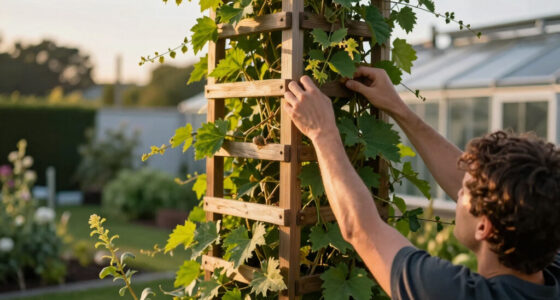
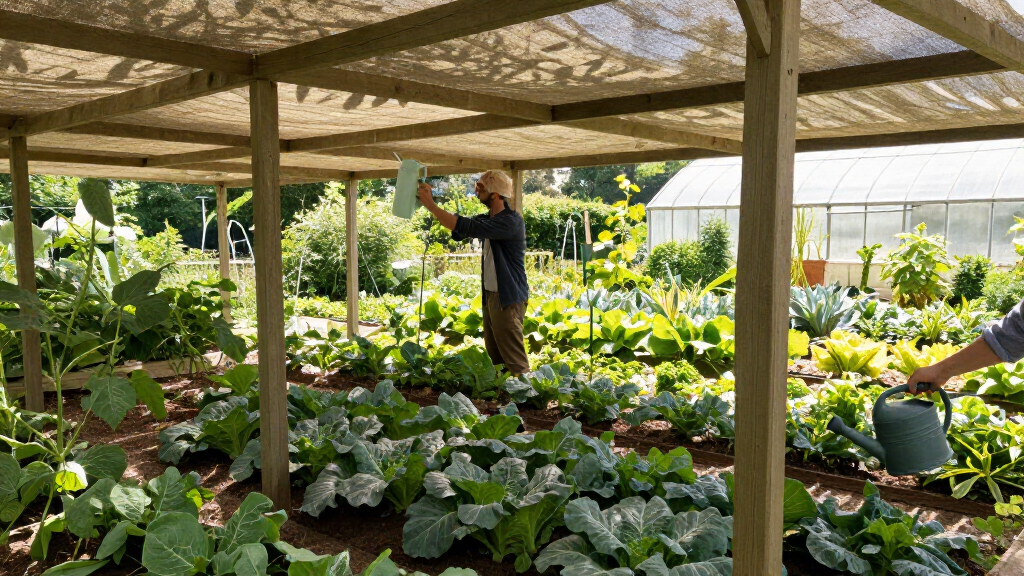
Shade cloth over a sturdy frame instantly cools your garden. In desert zones, a 30–40% knitted shade cloth cuts temps by 8–15°F and reduces evaporation. You can make it removable, adjustable, or permanent, depending on your needs. For example, a simple PVC pipe frame with a white aluminized cloth can be set up in an afternoon, providing relief during the hottest months. Taller structures (6–8 feet) give you room to work and improve airflow. Just remember: wind loads are real—posts must be anchored deep and sturdy. And a retractable setup lets you enjoy full sun when you want it, and shade when you need it.
As an affiliate, we earn on qualifying purchases.
Tree canopies: Nature’s free cooling in your backyard
Plant a tree, and you gain a long-term, living shade. Deep-rooted trees like mulberries, serviceberries, or dwarf fruit trees cast a dappled, high canopy that cools the air below. Transpiration from leaves can drop local temps by several degrees, especially in dry zones. But don’t plant too close—roots within 1–1.5 times the canopy radius will compete with your beds for water and nutrients. Some species, like black walnut or eucalyptus, produce allelopathic chemicals that harm nearby vegetables. Trees take years to grow, so plan ahead. For quick relief, consider a small, fast-growing tree like a honey locust or a serviceberry—both provide shade and fruit.
As an affiliate, we earn on qualifying purchases.
Compare: Built shade vs. tree canopy — which lasts longer and costs more?
| Feature | Built Shade Structure | Tree Canopy |
|---|---|---|
| Cost | $100–$500 for materials; labor varies | $50–$150 for young trees; long-term value |
| Time to effectiveness | Same day to a few weeks | 5–15 years to full canopy |
| Control over shade | High — adjustable, removable | Low — diffuse, uncontrollable in full leaf |
| Longevity | 5–10 years with UV protection | Decades, with proper care |
| Maintenance | Re-tensioning, cleaning, occasional repair | Pruning, watering, pest control |
Choosing between these options involves understanding their tradeoffs. Structures provide immediate, adjustable relief—ideal for short-term needs or seasonal adjustments. They can be easily removed or repositioned, offering flexibility as your garden evolves or seasons change. However, their lifespan is limited, and ongoing maintenance can add up. Trees, on the other hand, require patience and initial investment but reward you with free, natural cooling that can last for decades. They help build a resilient landscape, increase biodiversity, and improve microclimate over time. The decision depends on your budget, patience, and how much control you want over shading your garden.
As an affiliate, we earn on qualifying purchases.
Placement tips: Where to put your shade or trees for maximum benefit
Think about the sun’s path: in the Northern Hemisphere, the western afternoon sun is your biggest enemy. Plant shade structures or trees on the west or southwest side of your beds. That way, they block the hot afternoon rays, cooling your plants when they need it most. For structures, angle the shade cloth to cast shadows during peak heat hours. For trees, select species with a canopy that spreads wide enough to cover your beds without overtaking them. Remember, a tall, well-placed tree acts like a natural umbrella, creating a cooler microclimate beneath.
Microclimate magic: How shade changes your garden’s climate
Shade doesn’t just block sun—it transforms your microclimate in ways that benefit your plants. Shaded beds tend to retain moisture longer, reducing the frequency and volume of watering needed, which is crucial in dry climates. Soil in shaded areas warms more slowly in spring, providing a gentler transition into the growing season and preventing heat stress. This cooling effect can extend the growing season by protecting crops from extreme heat and sunburn—common issues in summer. However, this benefit comes with tradeoffs: excessive shade can slow soil microbial activity by keeping temperatures lower, potentially impacting nutrient cycling. For example, shaded lettuce may stay lush longer, but the slower microbial activity might require supplemental organic inputs to maintain soil fertility. Understanding how shade influences microclimates enables you to optimize conditions—balancing cooling with soil health—to promote vigorous, resilient plants.
Long-term trends: Why shade is more important than ever
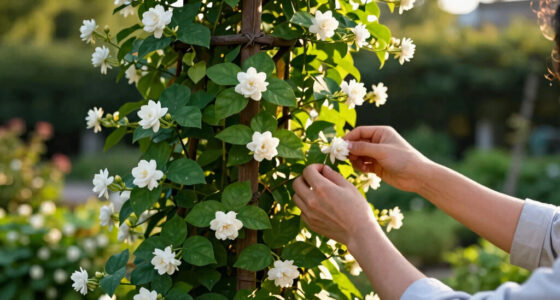
Extreme heat waves are becoming more common, making shade strategies vital. Recent years saw record-breaking temperatures in places like the Pacific Northwest and Europe, pushing gardeners to think beyond traditional full-sun design. Extension services now recommend shade cloth and trees as standard tools for heat resilience. Innovations like reflective aluminized fabrics and retractable pergolas make managing shade easier and more affordable. Additionally, incorporating shade into landscape designs—such as using pergolas with climbing plants or integrating large trees into vegetable beds—creates microclimates that buffer crops from extreme temperatures. These approaches not only protect your plants but also contribute to overall garden sustainability. As climate patterns shift, shade isn’t just a comfort—it’s a necessity for maintaining productivity and resilience in your garden ecosystem. Embracing these trends now will prepare your garden for the hotter, more unpredictable weather ahead, ensuring consistent yields and healthier plants.
Your most common questions answered—quick tips for success
- Will shade hurt my tomatoes? Usually not. About 30% afternoon shade helps prevent sunscald and improves flavor, especially in hot zones.
- What shade cloth percentage should I buy? 30–40% for most fruiting crops; 50% for leafy greens. Adjust based on your specific heat and crop needs.
- Black or white shade cloth? Reflective aluminet keeps things cooler; black is cheaper and fine in milder climates.
- Can I grow vegetables under a tree? Yes, if you choose the right species and crops—avoid allelopathic trees like black walnut, and plant leafy greens or herbs that tolerate shade.
- Which side of the garden should the shade go on? West or southwest for afternoon relief, especially in the Northern Hemisphere.
Frequently Asked Questions
Will shade hurt my tomatoes?
Not if you limit it to about 30% in the hottest parts of the afternoon. Proper shading can improve flavor, prevent sunscald, and extend your harvest season.What shade cloth percentage should I buy?
Generally, 30–40% for most fruiting crops and 50% for leafy greens. Adjust based on your specific climate and crop needs.Can I grow vegetables under a tree?
Yes, if you choose the right species and crops. Avoid allelopathic trees like black walnut, and plant tolerant greens or herbs that thrive in dappled shade.Which side should I place shade structures or trees?
On the west or southwest side of your plot to block the harsh afternoon sun, especially in northern latitudes.How long does a shade structure last?
With quality UV-stabilized fabric, expect 5–10 years of effective service before replacement is needed.Conclusion
In the desert heat, shade is your secret weapon. Whether you build a simple, retractable structure or plant a shade-casting tree, you’re investing in a more resilient, water-wise garden. Remember: the best shade solution depends on your climate, your crops, and your patience. Think ahead, act smart, and your garden will thank you in every harvest.College move-in / dorm season Picks
dorm essentials
As an affiliate, we earn on qualifying purchases.