TL;DR
Reflected heat from block walls can boost temperatures by 10–20°F, stressing plants. Using buffers like shade, planting farther out, and surface treatments can significantly cut this heat and protect your garden.
Ever notice how plants right next to your block wall seem to wilt faster or turn crispy? That’s no accident. Concrete, brick, and stucco walls act like giant heat radiators, soaking up the sun all day and re-radiating infrared heat long into the night.
This creates a mini desert microclimate—hotter air, brighter reflected light, and a whole lot of stress for your plants. But don’t worry. There are simple, practical ways to buffer that heat. You can make your yard cooler and your plants happier—without breaking the bank or turning your garden into a construction zone. Stick around; I’ll show you what works, what doesn’t, and how to fight back against those fiery walls.
Moving plants just 3–6 feet away from hot walls can cut reflected heat by up to 75%.
Shading the wall itself is more effective than shading plants, especially on west-facing surfaces.
Planting buffer plants like oleander or lantana absorbs heat and cools the surrounding air.
Using light-colored or reflective wall coatings can reduce surface temperatures by 10°C or more.
In colder seasons, you can use the heat stored in walls to protect plants from frost and ripen crops early.
Reflected Heat From Block Walls: Buffers and Barriers That Work
Concrete, brick, and stucco walls absorb solar energy, then radiate it back into nearby beds long after sunset. The result is a mini desert microclimate: hotter leaves, faster-drying soil, and less overnight recovery. The fix begins with distance—and gets stronger when you stop the wall from heating up.
Why the garden becomes a hotbox
A masonry wall behaves like a thermal battery. It absorbs sunlight through the day, reflects intense light toward foliage, and releases stored infrared heat through the evening.
A west-facing wall can reach about 130°F by mid-afternoon
Plants within the first few feet receive heat from two directions: direct sunlight from above and radiant energy from the wall. Leaf scorch, fruit drop, hot soil, and rapid moisture loss can follow.
less reflected intensity with a three-foot buffer
Heat and reflected light fall off sharply as distance increases. When space permits, moving sensitive plants three to six feet away is usually the cheapest first intervention.
garden wall shade cloth
As an affiliate, we earn on qualifying purchases.
As an affiliate, we earn on qualifying purchases.
Direction determines severity
The same block wall can create radically different growing conditions depending on its exposure. Match plant sensitivity and protection to the wall’s compass direction.
West
Peak afternoon sun arrives when ambient temperatures are already highest. Shade the wall first.
South
Long solar exposure creates sustained warmth, useful in winter but demanding in summer.
East
Gentler morning sun gives plants time to recover before the hottest part of the day.
North
Often a shaded refuge suited to plants that prefer cooler, more stable conditions.

Multipurpose Night Reflective Spray Agent, High Visibility Fluorescent Reflective Paint Spray Weather Resistant Long Lasting Safety Reflective Coating for Clothing Bicycle Outdoor Gear (White)
💡HIGH VISIBILITY: The reflective properties enhance visibility in low-light conditions, making it ideal for nighttime use on clothing,…
As an affiliate, we earn on qualifying purchases.
As an affiliate, we earn on qualifying purchases.
It is three stresses, not one
More watering alone may not solve the problem. The wall affects foliage, surrounding air, and the root zone through separate—but compounding—mechanisms.
Reflected light
Intense visible light strikes unacclimated foliage and exposed fruit from the side.
Radiant heat
Stored infrared energy keeps leaves and stems hot, even after direct sunlight fades.
Root-zone heating
Hot soil accelerates evaporation and can leave roots chronically dry despite regular irrigation.

Toaspa Seedling Heat Mat 2 Pack Heat Mats for Seed Starting Plants Indoor Growing Gardening Brewing Germination Greenhouses Terrarium Reptile Waterproof Seed Rooting Warming Heating Pad 10"X20.75"
【Fast and Reliable Seed Germination】The durable seedling hydroponic heating pad is designed to perfectly match the standard 1020…
As an affiliate, we earn on qualifying purchases.
As an affiliate, we earn on qualifying purchases.
Build protection in layers
The strongest system prevents heat storage, interrupts radiation, protects the soil, and separates the hottest plants from more sensitive ones.
Shade the wall
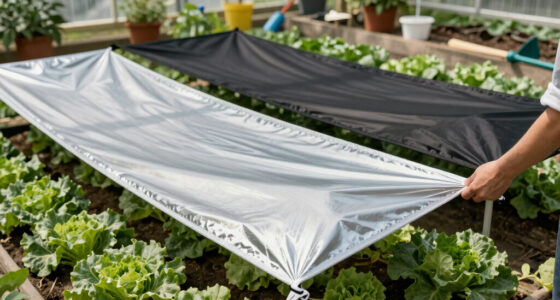
Use a deciduous tree, large shrub, pergola, ramada, or shade sail to block afternoon sun before it reaches the masonry.
Stops heat at the sourcePlant a tough first line
Oleander, lantana, rosemary, Texas sage, agave, yucca, hop bush, and ornamental grasses can absorb the harshest exposure.
Match plants to climateAdd vines on standoffs
Mount lattice or trellis away from the surface so air can circulate instead of trapping leaves against scorching masonry.
Air gap: 6–12 inchesInstall shade cloth
A framed barrier offers immediate protection during heat waves and while new plants establish.
Shade density: 30–50%Use cool coatings
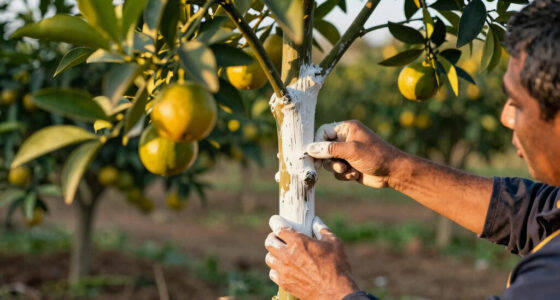
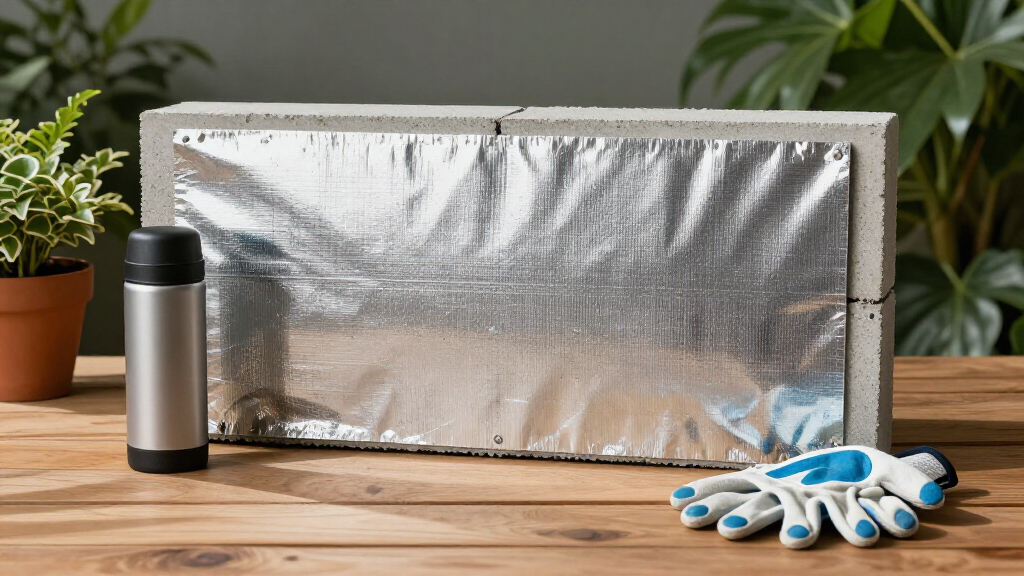
Light-colored or infrared-reflective coatings reduce solar absorption and can meaningfully lower wall-surface temperatures.
Potential: 10°C+ coolerMulch and hydrozone
Apply organic mulch, water deeply by drip, and manage near-wall beds as a separate irrigation zone.
Organic mulch: 3–4 inchesShade the wall before shading the plant
Plant shade treats exposure after heat has already entered the system. Wall shade prevents the masonry from charging like a thermal battery in the first place.

Bestio Seeding Heat Mat 10"x 20.75", 2 Pack Waterproof Durable Heat Mat for Seed Starting, UL and MET Certified Plant Heating Pad for Seed Germination,Hydroponics, Greenhouses
【MET STANDARD AND HIGH QUALITY】:Bestio seedling heat mat has MET certification and IP67 waterproofing,which is more secure and…
As an affiliate, we earn on qualifying purchases.
As an affiliate, we earn on qualifying purchases.
A few feet can change everything
The first two to three feet carry the greatest burden. The chart below is a practical relative-risk guide—not a universal engineering measurement.
Relative hot-wall exposure by planting distance
Choose the right intervention
Start with low-cost changes, then add structural or living barriers where exposure remains severe.
| Intervention | Stops wall heating | Protects roots | Speed | Cost / effort |
|---|---|---|---|---|
| Move plants 3–6 ft | ~ Indirectly | ✓ Yes | Immediate | Low |
| Shade wall | ✓ Best | ✓ Yes | Immediate | Low–medium |
| Ventilated vine trellis | ✓ Strong | ~ Partial | One or more seasons | Medium |
| Reflective coating | ✓ Strong | ~ Partial | Immediate | Medium |
| Organic mulch + drip | ✗ No | ✓ Best | Immediate | Low |
| Rock or gravel mulch | ✗ No | ✗ Can worsen heat | Immediate | Low |
From sunlight to plant recovery
A successful buffer breaks the heat pathway upstream while preserving moisture and recovery capacity downstream.
Solar load
Afternoon sun strikes exposed masonry.
Thermal storage
The wall absorbs and holds energy.
Re-radiation
Heat and light return toward the bed.
Plant stress
Leaves scorch and roots lose moisture.
Buffer response
Shade, distance, mulch, and airflow interrupt the chain.
Summer: block the thermal charge
Prioritize afternoon wall shade, adequate distance, organic mulch, ventilated barriers, and independent drip irrigation.
Cool seasons: use the stored warmth
South-facing walls can protect tender plants from light frost and extend ripening for figs, peaches, grapes, and other heat-loving crops.
Start cheap, then layer up
Most gardens improve without major construction. Diagnose the hottest period, make the simplest spatial changes, and add protection only where symptoms persist.
Run a simple heat audit
Check leaf condition, wall temperature, soil moisture, and shade patterns at mid-afternoon and again after sunset. The lingering evening heat is often the missing clue.
Frequently asked questions
Use these starting points, then adjust for local climate, plant maturity, wall color, wind, and irrigation conditions.
How far should a garden be from a hot wall?
Generally, three to six feet significantly reduces reflected heat and light intensity. Greater distance provides an even more stable microclimate.
Which plants make good heat buffers?
Depending on climate, consider oleander, lantana, rosemary, Texas sage, bougainvillea, agave, yucca, hop bush, juniper, or ornamental grasses.
Should vines grow directly on the wall?
A trellis mounted six to twelve inches away is safer. The air gap supports convective cooling and keeps foliage off the hottest surface.
Can the wall’s heat ever help?
Yes. In cool seasons, stored warmth can provide frost protection and extend ripening. The goal is to manage the effect seasonally, not eliminate it completely.
Why Your Block Wall Turns Your Garden Into a Hotbox
Concrete and brick walls are like giant heat sponges. They soak up the sun in the morning and hold onto it, re-radiating infrared heat well into the evening. This means the air and surface temperatures near the wall can soar 10–20°F higher than the rest of your yard.
Imagine a west-facing wall in July. The wall heats up to 130°F by mid-afternoon, reflecting that heat onto nearby plants. This can cause leaf scorch, fruit drop, and even root stress from hotter soil. The closer your plants are to the wall—say, within 3 feet—the worse the heat stress gets.
An example? A homeowner in Phoenix found that plants within 2 feet of her south-facing wall wilted daily, while those 6 feet away thrived. That distance mattered—a lot.
How Wall Orientation Changes the Heat Impact
Not all walls heat up equally. The wall’s facing direction changes how much sun it absorbs and reflects. West and southwest walls get the hottest in the late afternoon, pushing temperatures sky-high when your plants are most vulnerable.
East-facing walls get gentler morning sun, giving plants a cooler start. North walls stay shady, often making them a cool refuge. South-facing walls catch the sun all day but aren’t as intense as west walls.
For example, a garden in Tucson found that plants near a west-facing wall experienced 15°F higher afternoon temps than those near an east-facing wall. That difference can be the line between thriving and dying.
The Critical Role of Distance: How Far Is Safe?
The simple rule? The farther you move your plants away from the wall, the less reflected heat they face. Most of the intense reflection and radiance drops off sharply after 3–6 feet.
For example, a gardener in California moved her tomato bed from 2 feet to 6 feet from a hot west wall. The difference? The temperature dropped by 8°F, and her plants stopped wilting midday.
So, if you notice trouble near your wall, just shifting your plants out a few feet can make a huge difference. It’s often the cheapest fix.
The Three Stresses: Sun, Heat, and Roots
Reflected heat does more than just warm the air. It hits your plants’ leaves directly, causing sunscald and bleaching. The infrared heat can scorch leaves and flowers, while the hot soil speeds up evaporation, leaving roots thirsty.
Imagine a cactus planted 2 feet from a hot wall—its soil dries out twice as fast as plants farther away. This triple whammy stresses plants, making watering, shading, and positioning crucial.
Understanding these stresses helps you target your defenses effectively.
Using the Wall’s Heat to Your Advantage in Cooler Seasons
Believe it or not, that heat isn’t all bad. In cooler months, the stored warmth can protect tender plants from frost and help ripen summer crops early. Old-timers in the Southwest often plant figs or grapes against warm walls for a reason.
If you’re in a zone with cold nights, you can use that heat to your advantage—just be sure to protect plants from the summer scorch first. It’s about turning a problem into an asset.
For example, a gardener in New Mexico trains a small peach tree against a south-facing wall. It blooms earlier and bears fruit longer into fall thanks to the extra warmth.
Why Shading the Wall Beats Shading the Plants
The single best way to cut reflected heat? Shade the wall itself. When the wall stays cool, it doesn’t absorb or radiate heat onto your plants.
Think of it like a big umbrella—keeping the wall in shade prevents it from heating up in the first place. You can do this with trees, large shrubs, or shade sails placed strategically.
For example, planting a fast-growing juniper in front of a west wall cut wall temperatures by 10°C during peak afternoon hours. The nearby plants no longer baked in the reflected heat.
Practical Barriers: The Best Buffers You Can Install
Buffers and barriers work by interrupting or absorbing reflected heat before it hits your plants. Here are some proven options:
- Buffer plants: oleander, lantana, rosemary, and yucca stand tough and absorb heat, cooling the air behind them.
- Vine-covered trellises: mounting a trellis 6–12 inches off the wall with vines like star jasmine creates an air gap that promotes convective cooling.
- Shade structures: shade sails or pergolas blocking afternoon sun keep walls cooler.
- Surface treatments: light-colored, reflective paints or cool pigments on the wall reflect infrared radiation, reducing heat buildup.
- Mulch and irrigation: organic mulch cools roots, and targeted watering prevents stress caused by accelerated evaporation.
Each of these can be combined for maximum effect, depending on your yard’s layout and your budget.
Trends and New Ideas in Hot Wall Management
Research into urban heat islands and green facades is opening new ways to tame hot walls. Reflective wall coatings, green walls, and smart irrigation are gaining ground.
For instance, a recent project in California used infrared-reflective paint, dropping wall surface temps by 10°C. Vines and living walls show promising reductions in nearby air temps as well. These innovations make managing reflected heat more practical and effective.
While some options are still evolving, they point to a future where walls don’t have to be enemies of your garden—but allies, if you choose the right strategies.
Your Biggest Wins: What Works Without Breaking the Bank
Some of the best solutions are simple and cheap. Moving plants out 3–6 feet from the wall, adding organic mulch, and planting shade trees can cut heat stress dramatically.
For example, a homeowner in Arizona found that planting a row of lantana 4 feet from her west wall reduced plant wilt during the hottest months. She also added a shade cloth during heatwaves—costs less than a new irrigation system and works immediately.
Start with these easy steps before investing in expensive solutions. Small changes make a big difference.
Frequently Asked Questions
How far should I plant my garden from a hot wall?
Generally, 3–6 feet away from a hot wall is enough to significantly reduce reflected heat and light intensity. Moving your plants farther out, if possible, gives them a cooler, more stable environment.
What are the best plants to buffer heat near a wall?
Choose tough, heat-tolerant plants like oleander, lantana, rosemary, and yucca. These plants absorb heat and help cool the air around sensitive plants behind them.
Should I shade the wall or the plants?
Shading the wall itself is more effective because it prevents the surface from heating up in the first place. Use trees, shade sails, or pergolas to block afternoon sun and keep the wall cooler.
Will painting my wall a lighter color help?
Yes. Light-colored or reflective paints can cut surface temperatures by 10°C or more, reducing the amount of heat that gets reflected onto your plants.
Can I use vines or green walls to reduce reflected heat?
Absolutely. Vines on trellises create an air gap that promotes convective cooling, while green walls can lower surface temperatures by more than 10°C, making a big difference in microclimate control.
Conclusion
Reflected heat from block walls doesn’t have to ruin your garden. By understanding how walls heat up and radiate, you can choose strategies that keep your plants cooler and healthier. Sometimes, the simplest fix—like moving a plant or adding shade—works best.
Think of your yard as a microclimate puzzle. With a few smart moves, you can turn a hot threat into a cool advantage. Your garden’s survival may depend on it—and that’s a challenge worth taking.