TL;DR

Get garden gear delivered free with Prime
- Fast, free delivery on millions of items
- Prime Video, Amazon Music and more included
- Member-only deals all year
Row covers are best for frost and pest protection, raising temperatures slightly. Shade cloths reduce heat stress during hot days. Combining both can optimize seedling health in September’s changing weather.
Growing healthy seedlings in September isn’t just about watering and fertilizing. It’s about managing the environment—keeping them warm enough to thrive and cool enough to avoid scorch. Two tools stand out: row covers and shade cloths. Each has its role, but knowing when and how to use them can make all the difference.
If you’re tired of losing seedlings to unexpected cold snaps or overheating sun, this guide will help you understand their strengths—and how to combine them for maximum effect.
Use a row cover to protect seedlings from frost and pests, especially during cool September nights.
Shade cloth helps prevent heat stress during hot daytime hours, reducing sunburn and wilting.
Combining both covers offers a versatile solution for transitional weather, maximizing seedling survival.
Choose a shading percentage between 30-50% for tender seedlings; handle covers gently to prolong lifespan.
Always tailor your protection strategy to your local climate and specific plant needs.
Row Cover vs Shade Cloth
September asks seedlings to survive two seasons in one day. Row cover guards against cold and pests; shade cloth cuts punishing midday sun. The strongest strategy responds to the forecast—not the calendar.
Potential temperature lift beneath a properly installed row cover.
Recommended shade range for tender seedlings in strong September sun.
Deploy separately by time of day—or combine with careful ventilation.
Two covers. Two different jobs.
Choose row cover when cold, wind, or pests threaten. Choose shade cloth when intense sunlight and heat are the bigger danger.
Row cover
A lightweight, breathable fabric—often spunbond polypropylene—that forms a warmer protective microclimate while allowing water, air, and most sunlight through.
- Best for cool nights and early frost
- Blocks insects, birds, and wind
- Can extend the growing season
- Must be vented when days warm rapidly
Shade cloth
A woven or knitted canopy that reduces solar radiation. It keeps tender leaves cooler and lowers the risk of sunburn, wilting, and heat-related cellular damage.
- Best for hot, bright afternoons
- Reduces light by a stated percentage
- Usually more durable and UV-resistant
- Does not provide meaningful frost protection
Follow the thermometer
Simple action thresholds for transitional September weather.
Which protection fits the threat?
Neither material is universally “better.” Performance depends on whether the immediate risk is cold, pests, solar heat, or fluctuating conditions.
| Feature | Row cover | Shade cloth |
|---|---|---|
| Primary purpose | Frost protection, pest exclusion, warming | Heat relief and reduced solar intensity |
| Light management | Typically transmits 85–90% of light | Blocks 30%, 50%, 70%, or another rated amount |
| Temperature effect | Raises temperature roughly 4–8°F | Reduces solar heating during hot days |
| Frost protection | Strong choice for light frost and cold snaps | Not designed to retain overnight warmth |
| Pest exclusion | Physical barrier when edges are sealed | Open sides usually allow pest access |
| Hot-day performance | May trap heat unless lifted or vented | Designed for intense afternoon sun |
| Durability | Lightweight; vulnerable to tears and wind | Often stronger with UV-resistant options |
| Main tradeoff | Overheating and moisture buildup | Excess shade can slow photosynthesis |
✓ strong fit ✗ weak fit ~ useful with active management
How much sun reaches the seedlings?
Row cover preserves most available light. Shade cloth deliberately removes a defined share, making percentage selection the critical decision.
Start with moderate shade
For most tender seedlings, 30–50% shade reduces damaging solar load without suppressing light more than necessary. Reserve 70% cloth for unusually severe heat or shade-tolerant crops.
Match the cover to the moment.
Check both the overnight low and afternoon high. A single September day can justify two different protection strategies.
Use row cover
Deploy when lows regularly fall below 55°F, frost is possible, or cold wind threatens new growth.
Use shade cloth
Deploy when highs exceed 85°F, leaves wilt at midday, or tender foliage begins to scorch.
Seal row cover
Anchor every edge before insects reach the crop. Remove or open it when pollination becomes necessary.
Leave plants open
A cover is not automatically beneficial. Good airflow and full light are preferable when conditions are comfortable.
Switch by time
Shade during peak sun, then remove it and install row cover before the evening temperature falls.
Test a small bed
Compare covered and uncovered seedlings, observe leaf response, and adjust percentage, height, or ventilation.
Build a responsive two-layer system.
In places where nights reach 45°F and days approach 90°F, combining both tools can buffer seedlings from the full temperature swing.
Raise shade cloth
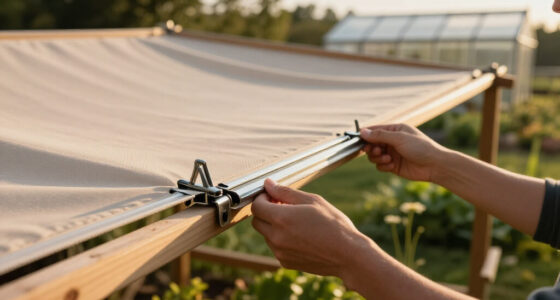
Mount it above the plants so air can circulate and midday radiation is reduced.
Preserve airflow
Keep sides open during heat. Do not compress both fabrics directly onto foliage.
Add row cover
Before temperatures fall, secure breathable row cover over hoops or supports.
Check at dawn
Vent early, inspect moisture, and remove unnecessary layers as temperatures rise.
Two covers can restrict airflow and trap humidity. That raises the risk of fungal disease and daytime overheating. Use supports, monitor condensation, and open the system promptly after sunrise.
Make every cover last longer.
Fabric life depends as much on handling and storage as material quality. Small installation habits prevent tears, mold, and wind damage.
Choose UV resistance
Look for breathable, UV-stabilized products when repeated seasonal use matters.
Anchor every edge
Use clips, stakes, boards, or soil. Loose fabric becomes a damaging sail.
Keep proper tension
Too loose causes flapping; too tight stresses fabric, seams, supports, and plants.
Inspect and repair
Patch small tears early before wind enlarges them or pests find an entry point.
Store clean and dry
Dry completely, roll or fold gently, label, and keep away from sun and moisture.
The September survival rules.
Local climate, crop sensitivity, and the next 24-hour forecast should drive every covering decision.
Row cover is the cold specialist. Use it for frost, chilly nights, wind, and pest exclusion.
Shade cloth is the heat specialist. Use it to reduce sunburn, wilting, and excessive leaf temperature.
Choose 30–50% shade for seedlings. More shade can unnecessarily reduce photosynthesis.
Ventilation is non-negotiable. Row covers and layered systems can overheat or hold excess moisture.
Both tools can work together. Switch by time of day or layer carefully during extreme temperature swings.
Observe the plants. Forecasts guide the setup, but leaf color, wilting, condensation, and growth reveal what to adjust.
What exactly is a row cover—and why does it matter in September?
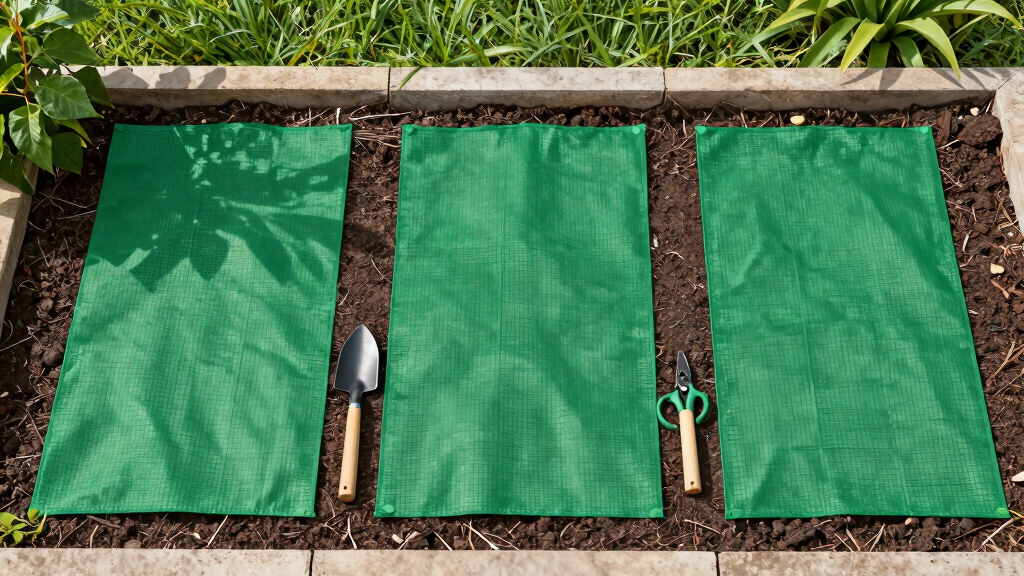
Row covers are lightweight fabrics, often spunbond polypropylene, that drape over your seedlings like a protective blanket. They let in sunlight, water, and air, but block frost, pests, and wind. For September seedlings, they act like a warm, breathable shield during cool nights, keeping plants from getting chilled.
Imagine planting your tomatoes in late summer. At night, temperatures dip below 50°F, risking damage. A row cover can boost nighttime warmth by 4-8°F, giving seedlings a cozy environment to grow strong. Plus, they keep pesky insects away, reducing disease risks.
The importance of this microclimate control is that it can mean the difference between a thriving, growing plant and one that succumbs to cold stress. By gently raising temperatures, row covers extend the growing season, allowing you to harvest later or start earlier next year. However, if not monitored, they can also trap excess heat during warmer nights, so understanding your local climate and using covers appropriately is crucial.
As an affiliate, we earn on qualifying purchases.
How does shade cloth protect your seedlings from the heat?
Shade cloth is woven or knitted fabric that reduces sunlight reaching your plants. Available in various shading levels—30%, 50%, 70%—it’s like sunglasses for your garden. During September’s hot afternoons, especially in desert zones, shade cloth keeps temperatures down, preventing sunburn and heat stress.
But beyond just blocking sunlight, shade cloth influences the microclimate around your plants. By reducing solar radiation, it prevents leaves from overheating, which can cause cellular damage and impair growth. This is especially critical for tender seedlings that haven’t yet developed full heat tolerance. The tradeoff is that excessive shading can slow photosynthesis if used improperly, so selecting the right percentage is key. Properly used, shade cloth allows plants to continue growing vigorously without the stress of extreme heat, leading to healthier, more resilient seedlings.
As an affiliate, we earn on qualifying purchases.
Comparison table: Row Cover vs Shade Cloth – Which one suits your September seedlings best?
| Feature | Row Cover | Shade Cloth |
|---|---|---|
| Primary purpose | Frost protection, pest exclusion, microclimate warming | Reduce sunlight, lower heat stress |
| Light transmission | 85-90% | |
| Temperature effect | Raises temperature by 4-8°F, extends season | |
| Best for | Cool nights, pest control, early frost | |
| Best during hot days | Less effective; can trap heat if not ventilated | |
| Durability | Lightweight, needs secure installation | |
| Durability | More durable with UV-resistant options |
Choosing between the two depends on your primary concern—whether you need to extend the growing season by protecting against cold or prevent heat stress during hot days. Sometimes, a combination is necessary for transitional weather, but each has tradeoffs: row covers can trap heat if not ventilated, and shade cloth can slow growth if it reduces too much light. Understanding these nuances helps you make informed decisions tailored to your garden’s needs.
As an affiliate, we earn on qualifying purchases.
When and why should you use each to protect September seedlings?
Use a row cover when nights turn chilly—say, below 55°F. It keeps seedlings warm, shields against frost, and blocks pests. For example, if your local forecast predicts a cold snap, draping a row cover over your lettuce can prevent it from wilting. The deeper benefit is that it creates a stable microclimate that encourages steady growth, reducing stress and improving overall plant health.
On the other hand, if daytime temperatures soar above 85°F, a shade cloth becomes your best friend. It prevents sunburn and heat stress, especially for tender seedlings like peppers or basil. Imagine a scorching September afternoon—shade cloth keeps your plants cool, but it also influences plant physiology by reducing photosynthesis if used excessively. Proper timing and shading levels are essential to balance growth and stress mitigation. Using both tools at appropriate times ensures your seedlings are protected from both ends of the temperature spectrum, leading to healthier, more productive plants.
As an affiliate, we earn on qualifying purchases.
Can you combine both? Yes, and here’s how it works.
Yes, layering a row cover over a shade cloth can give your seedlings multi-layer protection. Think of it as a double blanket—frost protection below and heat relief above. Place the shade cloth first, then drape the row cover. Secure both tightly to prevent wind from displacing them. This setup creates a controlled environment that can extend your growing season and buffer your plants from unpredictable weather fluctuations.
The tradeoff is that this layering can restrict airflow and potentially cause moisture buildup, which might lead to fungal issues if not managed properly. Ventilation and careful monitoring are crucial. For example, in a zone where nights are dropping to 45°F but days hit 90°F, this combo keeps seedlings warm at night and cool during the day—maximizing survival and growth. It’s a versatile approach, but it requires careful setup and maintenance to avoid unintended consequences.
Tips for choosing the right cover and making it last
- Pick a shade cloth with 30-50% shading for seedlings—enough to block excess sun without stunting growth. Consider the specific needs of your plants; some may tolerate more shade, while others require more light for optimal growth.
- Use UV-resistant, breathable row covers to extend their lifespan—handle gently when installing or removing. Regularly inspect for tears or wear, as small damages can compromise their protective qualities. Proper storage in dry, dark places prevents mold and brittleness, ensuring longevity.
- Secure covers with stakes or clips—wind can turn a loose cover into a sail, damaging plants. Tension is key; too loose, and covers flap or blow away. Too tight, and they may damage the fabric or plants.
- Store covers carefully in dry, dark places between uses to prevent mold and brittleness. Label them for easy identification, and rotate their use to evenly distribute wear.
- Test your covers in your garden’s specific conditions—what works in one yard might need tweaking in another. Observe how your plants respond, and adjust shading levels or cover placement accordingly.
What’s the best way to decide? Think through these questions.
- Are nighttime temperatures dropping below 55°F regularly? Use a row cover to keep seedlings warm and prevent cold damage.
- Are daytime highs above 85°F? Use shade cloth to prevent heat stress and sunburn, ensuring healthy growth.
- Do pests or insects threaten your seedlings? A row cover offers pest exclusion, reducing reliance on chemical controls and promoting organic practices.
- Are you aiming to extend your growing season? Combining both covers can provide a balanced environment, allowing for earlier planting and later harvesting.
- What are your local weather patterns? Adapt your protection based on typical September conditions—if sudden cold snaps or heat waves are common, layering covers can mitigate risks effectively.
Frequently Asked Questions
Can I leave a row cover on all night without harming my seedlings?
Yes, especially if it’s designed for plant protection. Just ensure it doesn’t trap too much heat on already warm nights. Remove or ventilate if temperatures rise or if the cover feels too heavy.Will shade cloth reduce my seedlings’ growth because of less light?
When used at 30-50% shading, it usually doesn’t hinder growth. It prevents heat stress and sunburn, helping plants grow healthier and more vigorously.How do I secure covers properly in a desert garden?
Use stakes, clips, or weights around the edges. Make sure they’re tight enough to withstand wind, but not so tight they damage the fabric. Proper securing prevents damage and keeps your protection effective.
Can I use both covers on large plots of seedlings?
Absolutely. Larger projects might need more robust setup—consider frame structures and heavier stakes. Layering both covers can be more complex but offers the best protection in variable weather.
When should I remove the covers as temperatures stabilize?
Monitor weather forecasts. Remove covers once the risk of frost has passed and daytime temperatures stay above 60°F consistently. This prevents unnecessary stress or overheating.
Conclusion
Protecting September seedlings is about smart layering—using the right tools at the right time. Think of your garden as a delicate balance of heat and coolness, and your covers as the gloves that keep it steady. When you match the right protection to the weather, you set your plants up for success—and fewer surprises.
Remember, a simple combination of a row cover and shade cloth can turn a tricky month into a thriving one. Your seedlings will thank you with lush, healthy growth—proof that a little planning goes a long way.
Fall yard work Picks
leaf blowers
As an affiliate, we earn on qualifying purchases.