
TL;DR

Get garden gear delivered free with Prime
- Fast, free delivery on millions of items
- Prime Video, Amazon Music and more included
- Member-only deals all year
Most frost-tender succulents die at 25°F without protection, while hardy types often survive. Using proper site placement and protective measures can keep sensitive succulents safe in colder weather.
When night temperatures dip to 25°F, many succulent lovers panic. In the desert, where these plants thrive, it’s a different story. But in zones where frost hits, knowing which succulents can survive a cold snap makes all the difference. Whether you’re trying to protect a prized Echeveria or planning to grow hardy Sempervivum, understanding plant limits helps you avoid heartbreak.
This guide will walk you through the key differences between frost-tender and hardy succulents, share practical tips for survival, and help you decide what’s worth protecting during those chilly desert nights.
Most frost-tender succulents die at 25°F without protection, but hardy varieties often survive.
Microclimates and site selection can make a big difference—sheltered, south-facing spots are best.
Using frost cloths, mulching, and container gardening extend your succulents’ survival window.
Choosing the right plant for your climate is the simplest way to avoid cold damage.
Combine multiple protective techniques for the best chance of survival during unexpected cold snaps.
What Exactly Are Frost-Tender and Hardy Succulents? Know Your Plant’s Cold Limits
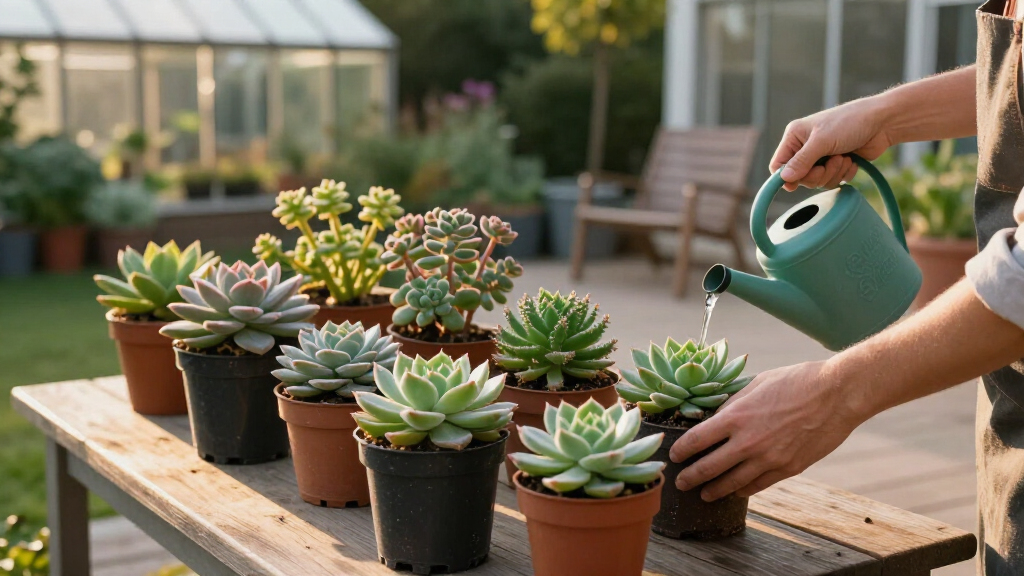
Frost-tender succulents are like delicate glass figurines—beautiful but fragile. They can’t handle temperatures below freezing without some sort of backup plan. Examples include popular varieties like Echeveria, Aloe vera, and many Agave species. These plants thrive in warm, dry climates, and a night at 25°F can turn them mushy or blackened.
Hardy succulents, on the other hand, are the tough guys. They’ve evolved to survive in colder zones—think Sempervivum (hens and chicks), Sedum, and certain Agave varieties. These plants can often survive temperatures down to -20°F or lower, especially if their roots are well-drained and protected.
In real-world terms, if you live in a zone where winter nights often hit 25°F, your choice of succulent can make or break your garden’s success. The key is understanding that the biological makeup of hardy succulents—thicker skins, more resilient cell structures, and adaptations like antifreeze compounds—enables them to survive these cold spells. Conversely, frost-sensitive plants lack these adaptations, making them vulnerable to cell rupture and tissue damage when exposed to freezing temperatures. This fundamental difference underscores why selecting the right plant for your climate isn’t just about aesthetics but about survival and long-term health.
As an affiliate, we earn on qualifying purchases.
Why Some Succulents Die at 25°F — And Others Don’t
At 25°F, ice crystals start forming inside plant tissues—especially in cells of frost-sensitive succulents. This damages cell walls, leading to mushy leaves, blackened tips, and ultimately, plant death. The severity of damage depends on how quickly the temperature drops and how long it stays cold. For example, a sudden freeze can cause more damage than a gradual cooling, giving the plant less time to adapt or respond.
Hardy succulents like Sempervivum or Sedum have thicker skins and more resilient cell structures. Their tissues contain natural antifreeze compounds and have adaptations like tight cell packing and flexible membranes that prevent rupture during freezing and thawing cycles. Soil drainage also plays a critical role—well-drained soil prevents water from accumulating around roots, which would otherwise freeze and cause rot or root damage. This combination of biological resilience and environmental conditions explains why some succulents can survive cold nights, while others cannot. Understanding these mechanisms helps gardeners make informed decisions about plant placement and care, especially when trying to extend the growing season or overwinter plants outdoors.
Implication: Recognizing these biological differences allows gardeners to make smarter choices—placing sensitive plants in protected microclimates or choosing hardy varieties for outdoor overwintering. It also highlights the importance of environmental management; even a hardy plant can suffer if soil drainage is poor or if wind chill factors increase exposure. This deeper understanding prevents unnecessary losses and guides strategic garden planning, especially in regions with unpredictable cold snaps.
Tradeoffs: While hardy succulents are more resilient, they often grow more slowly or have less vibrant colors compared to their frost-sensitive counterparts. Gardeners must balance aesthetic preferences with practical survival strategies, sometimes sacrificing visual appeal for long-term viability. This tradeoff underscores the importance of selecting plants suited to your specific climate and microclimate conditions, rather than just following popular trends.
As an affiliate, we earn on qualifying purchases.
Frequently Asked Questions
Can I grow frost-tender succulents in my cold climate?
Yes, but you’ll need to provide protection—bring potted plants indoors or use frost covers on outdoor beds. Growing them in containers makes it easier to shield or move them during cold nights.
What’s the best way to protect succulents from a 25°F night?
Use frost cloths, mulch around the base, and move potted plants indoors if possible. Cover early, before the temperature drops, for best results.
Which succulents are most cold-hardy?
Sempervivum, Sedum, and certain hardy Agave species can survive temperatures as low as -20°F, especially if planted in well-drained soil and protected from wind.
How do I tell if my succulent has been damaged by cold?
Look for soft, mushy leaves, discoloration, or blackened tissue. Damage may not be immediate—keep an eye on affected plants over the following days.
Does soil type affect cold tolerance?
Yes. Well-draining soils prevent water from accumulating around roots, reducing the risk of root rot and frost damage. Avoid soggy, clay-heavy soils in cold regions.
As an affiliate, we earn on qualifying purchases.
Conclusion
In the end, knowing your succulents’ cold tolerance is like having a secret weapon. With a little planning and a few protective tricks, you can keep your desert beauties thriving through chilly nights—even those dipping to 25°F.
Picture a resilient garden where hardy succulents shine, and tender ones find cozy refuge. Your desert landscape can be both beautiful and resilient—just like your plants.
hardy succulents for cold climates
As an affiliate, we earn on qualifying purchases.
As an affiliate, we earn on qualifying purchases.
Fall yard work Picks
leaf blowers
As an affiliate, we earn on qualifying purchases.