TL;DR
Play games included with Prime
Start a Prime free trial and play with Amazon Luna on your devices.
Start playingAs an affiliate, we earn on qualifying purchases.
Raised beds warm faster than in-ground soil, but insulating their walls helps keep roots cool during summer. Using foam panels, light colors, and shade cloth can cut soil temps by 10–20°F, boosting plant health and yield.
If your raised beds bake in the summer sun, you’re not imagining it. Their walls—often dark, metal, or thin wood—absorb heat and transfer it directly into your soil. The result? Roots struggle, plants wilt, and your harvest suffers. But there’s good news: simple insulation tricks can keep soil cooler and your plants happier.
In this guide, you’ll learn how to insulate your raised bed walls effectively, using affordable materials and smart design. We’ll cover passive cooling methods, DIY solutions, and how to balance summer protection with spring warmth. If you’re tired of seeing your tomatoes wilt on hot afternoons, keep reading.
Exterior foam insulation can cut soil edge temperatures by up to 15°F, protecting roots during peak summer heat.
Light-colored paint and shade cloth are inexpensive, effective passive ways to reflect heat and cool your raised beds.
Mulch and consistent watering buffer soil temperatures, but insulation tackles lateral heat gain from walls.
Measure soil temps regularly to decide when to insulate or shade—don’t guess in the desert summer.
Removable and seasonal solutions help balance spring warm-up with summer cooling needs.
Insulating Raised Bed Walls Against Summer Soil Heat
Raised beds warm quickly in spring—but exposed walls can become heat conductors in summer. Exterior insulation, reflective finishes, shade, mulch, and steady moisture can reduce root-zone temperatures by 10–20°F and protect plants through peak afternoon heat.
Blocks solar heat before it reaches metal, wood, or plastic walls.
Even one inch of rigid foam can make a measurable difference.
Regular readings above this level signal rising root stress.
Preferred range for most vegetable roots.
Possible edge-soil increase versus in-ground beds.
Enough to soften intense sun without deep shade.
Buffers surface heat and reduces evaporation.
Hot walls create a hostile perimeter
South- and west-facing surfaces absorb the strongest afternoon sun. Dark metal, thin plastic, and dark-stained wood transfer that energy into the bed, so edge roots often wilt and stall before plants in the center.
Root-zone temperature scale
Plant performance declines quickly once soil moves beyond its preferred range.
What changes as the soil heats?
Heat affects the entire root ecosystem—not just visible afternoon wilting.
Stop solar gain before it reaches the soil
The most effective strategy is exterior protection. It intercepts sunlight and reduces heat transfer through the wall while leaving the growing area untouched.
Rigid foam board
Attach XPS or EPS outside the bed. About R-5 per inch, it works especially well on conductive galvanized-steel walls.
Up to 15°F coolerFoil-faced panels
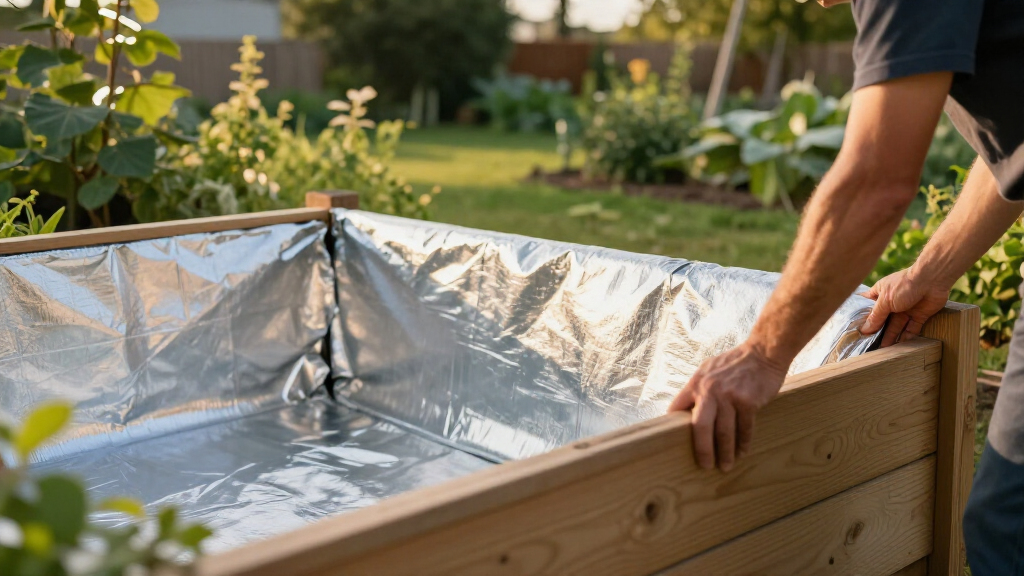
Install the reflective face outward to bounce sunlight away. Keep the surface clean and leave it exposed to the radiant heat source.
Reflective side outDouble wall + air gap
A separated outer skin creates a thermal break. Ventilation and drainage help prevent trapped moisture around wooden beds.
Durable designStraw or hay bales
Stack against exposed walls during heat waves. They are inexpensive, removable, insulating, and compostable after the season.
Easy to removeProtected interior foam
Interior lining also works, but use a plastic barrier so foam does not contact edible soil or degrade during cultivation.
Barrier requiredLight wall finish
White or pale exterior paint reflects solar radiation and can lower exposed surface temperatures by roughly 10°F.
Low costMatch the solution to your climate and budget
Permanent insulation gives the strongest wall protection, while paint, shade cloth, and straw offer flexible seasonal control. Combining two methods often delivers the best value.
| Method | Cost | Installation | Cooling effect | Seasonal? | Best use |
|---|---|---|---|---|---|
| White exterior paint | Low | ✓Easy | Moderate · ~10°F | Yes | Quick reflection upgrade |
| 30–40% shade cloth | Low–moderate | ✓Easy | High | Yes | South and west exposure |
| Rigid foam board | Moderate–high | ~Moderate | Very high · up to 15°F | Preferably | Metal and thin-wall beds |
| Straw or hay bales | Low | ✓Easy | Moderate | Yes | Temporary heat-wave relief |
| Double wall + air gap | High | Build required | High | No | New permanent beds |
Best practical pairing: light exterior finish + west-side shade + 2–4 inches of mulch.
Protect both the walls and the soil surface
Wall insulation controls lateral heat gain. Shade, mulch, planting density, and irrigation address heat arriving from above and help keep moisture—and temperature—more stable.
The cooling stack
Each layer addresses a different pathway of summer heat.
Use light paint or foil to bounce radiation away.
Prioritize west and south walls during afternoon heat.
Break the heat-transfer path through the wall.
Add mulch, dense planting, and consistent drip moisture.
Don’t guess at root-zone heat
Insert a soil thermometer about four inches deep in both the center and the hottest edge of the bed. Take readings during peak afternoon heat and repeat weekly during hot spells.
If soil regularly exceeds this level, add shade or insulation. At 90°F and above, intervene promptly to reduce root stress.
Probe
Measure four inches deep at the center and perimeter.
Compare
Check whether wall-side soil is significantly hotter.
Intervene
Add west-side shade, reflective finish, or exterior foam.
Verify
Repeat readings under similar weather conditions.
Design for summer cooling and spring warmth
Insulation is most useful when it can be adjusted. Removable panels preserve the raised bed’s early-season warming advantage and reduce moisture-related durability problems.
Slower warm-up
Permanent insulation can delay planting temperatures. Install removable panels only as summer heat builds.
Trapped moisture
Foam pressed tightly against wood can accelerate rot. Include drainage, ventilation, or a breathable gap.
Material separation
Keep foam out of direct contact with soil by using exterior placement or a durable interior plastic barrier.
Block heat at the exterior wall, shade the hottest exposure, and verify the result with a thermometer. A removable cooling system can protect roots without sacrificing spring warm-up.
Why Raised Bed Walls Turn Hot and How It Hurts Your Plants
Raised bed walls heat up fast, especially in full sun. Dark-colored metal or stained wood absorb solar radiation, turning your walls into heat conductors. This warmth radiates into the soil, raising root temperatures by 10–20°F compared to in-ground beds.
Roots prefer steady, moderate soil temps—around 60–75°F. When soil exceeds 85°F, roots slow water and nutrient uptake. Over 95°F, beneficial microbes die off, and plant stress skyrockets. Think of it like your garden’s own sauna—except your plants don’t enjoy it.
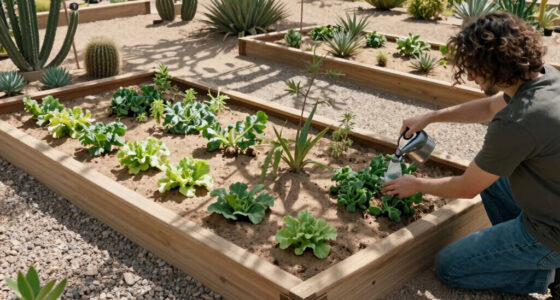
For example, a gardener in Phoenix noticed her tomato plants stalling and blooming issues by early July. After installing reflective paint and adding mulch, soil temps dropped by around 12°F, and her plants perked up.
As an affiliate, we earn on qualifying purchases.
Simple Wall Insulation Tricks to Keep Your Soil Cooler
Exterior foam board insulation is your best bet. Attaching rigid foam (XPS or EPS) to the outside of your walls blocks solar gain before it hits the soil. Even 1 inch of foam can cut the heat transfer significantly.
For example, a gardener added a 2-inch foam sheet to her metal bed and saw soil surface temperatures drop by 15°F during peak afternoon hours. Reflective foil-faced boards boost this effect by bouncing sunlight away.
Inside lining with foam is an option but requires a plastic barrier so foam doesn’t contact soil. Double-wall designs with an air gap also work well—think of it as a thermal sandwich.
Seasonal straw or hay bales stacked against walls are an easy, compostable DIY fix for temporary relief. They insulate just enough to keep roots cool during the worst heat waves.
As an affiliate, we earn on qualifying purchases.
Passive Cooling Boosts: Light Colors, Shade, and Mulch
Painting your raised beds white or light colors reflects solar radiation, which is crucial because darker colors absorb more heat, turning your walls into heat traps. Light-colored surfaces bounce sunlight away, reducing the amount of heat transferred to the soil. This simple visual change can lower surface temperatures by around 10°F, making a significant difference in plant comfort.
Shade cloth—just 30–40%—over the bed or on the south/west sides cuts the direct afternoon heat. It acts like a parasol, preventing excessive solar radiation from hitting the walls and reducing heat absorption. Imagine draping a light-colored sheet over your bed’s west face during the hottest part of the day; it’s a quick, inexpensive way to keep temperatures down and protect delicate roots.
Mulch, especially organic types like straw or shredded leaves, cools the soil surface by 10°F and reduces evaporation. Heavy mulch in a desert garden can mean the difference between a wilted plant and a thriving one. Mulch also acts as an insulative layer, buffering soil from rapid temperature swings and maintaining more stable root zone conditions.
Combine these passive measures with irrigation—consistent watering creates a moisture buffer, which cools soil and roots through evaporation. The synergy of shading, reflective surfaces, and mulch can significantly improve plant resilience during the hottest days.
As an affiliate, we earn on qualifying purchases.
Trade-offs and Things to Watch Out For When Insulating
Insulating your raised beds isn’t all upside. It can slow spring warm-up, which might delay planting schedules and crop emergence. This is because insulation acts as a barrier to the sun’s warmth, so in early spring, the soil takes longer to reach optimal planting temperatures. To mitigate this, consider using removable panels or only applying insulation during peak summer months, so your garden can warm naturally in early spring. This approach balances the need for summer cooling without sacrificing early-season growth.
Trapped moisture between foam and wood can accelerate rot and decay—adding a vapor gap or breathable, permeable material helps prevent this. Proper ventilation and periodic checks are essential to avoid long-term damage. Some gardeners worry about foam safety; most rigid foam boards are chemically inert and safe for garden use, but always keep a barrier (like a plastic sheet) between foam and edible soil to prevent any potential leaching or contact. In hot climates, reflective barriers or light-colored paint are especially effective, but in cooler zones, leaving walls uninsulated in early spring can help beds warm faster, ensuring timely planting.
It’s important to recognize that while insulation offers significant summer benefits, it can create trade-offs that affect your planting schedule and garden longevity. Weighing these considerations helps you decide whether to insulate year-round or seasonally, tailoring your approach to your local climate and growing goals.
garden mulch for soil temperature control
As an affiliate, we earn on qualifying purchases.
As an affiliate, we earn on qualifying purchases.
DIY and Ready-Made Solutions for Cooler Raised Beds
For quick results, start with inexpensive fixes: white latex paint, shade cloth, and straw bales. These are easy to remove or adjust as seasons change. For longer-term solutions, attach exterior foam panels or paint the walls a reflective color. When choosing insulation, consider how much effort you’re willing to invest and whether you prefer seasonal or permanent solutions. Combining methods—like painting and shading—can amplify cooling effects without high costs.
Here’s a quick comparison:
| Method | Cost | Ease of Installation | Effectiveness | Seasonal Use? |
|---|---|---|---|---|
| White Paint | Low | Easy | Moderate (10°F reduction) | Yes |
| Shade Cloth | Low–Moderate | Easy | High (cuts 30–40% of heat) | Yes |
| Foam Board Insulation | Moderate–High | Moderate | Very High (up to 15°F reduction) | Seasonal |
| Straw Bales | Low | Easy | Moderate | Seasonal |
Choosing the right method depends on your climate, budget, and how much effort you’re willing to invest. Sometimes, combining a couple of these options yields the best results for keeping roots cool during the hottest months.
How to Measure Soil Temperature and Know When to Act
Start with a simple soil thermometer. Insert it 4 inches deep in the center and edges of your raised bed during the hottest part of the afternoon. If temps exceed 85°F regularly, it’s time to consider insulation or shading. Regular monitoring helps you understand how your modifications impact soil heat levels over time.
Gardener AZ recommends checking weekly during summer heat waves. When temperatures hit 90°F or higher, adding shade cloth or applying insulation can prevent root stress and plant stress complications. By tracking soil temperatures, you avoid guesswork and ensure that your cooling measures are timed correctly, maximizing their effectiveness when the heat is most intense.
Knowing your actual soil temperature helps you make informed decisions—whether to add shade, insulate, or adjust watering schedules—so you’re actively managing your garden’s health during peak heat periods.
Frequently Asked Questions
Do I really need to insulate my raised beds, or is mulch enough?
Mulch handles surface cooling and moisture retention, but wall insulation addresses heat transfer from the sides. In hot climates or with metal beds, both are helpful for keeping roots cool during summer heat waves.
Should insulation go on the inside or outside of my raised bed walls?
Exterior insulation is more effective at blocking solar gain before it heats the soil, but inside lining works if you want a simpler retrofit. Just remember to separate foam from soil with a plastic barrier to prevent decay.
Is rigid foam board safe to use in a vegetable garden?
Most XPS or EPS foam is chemically inert and safe for garden use, but it’s best to keep a plastic or breathable barrier between foam and edible soil to prevent any contact and prolong the wall’s life.
Will insulating my beds slow down spring warming?
Yes, insulation can delay spring warm-up, so consider using removable panels or only insulating during summer. In mild winter zones, avoid permanent insulation to let beds warm naturally in spring.
How can I prevent my metal raised bed from overheating in the sun?
Paint the walls a light color like white, add exterior foam panels, or attach reflective barriers. Shading the walls with cloth or planting dense greenery nearby also helps keep temperatures down.
Conclusion
Think of your raised bed walls as an extension of your plant’s immune system—proper insulation and shading keep roots cool when the desert sun blazes. With a few simple tweaks, you can turn a baking metal or dark wood barrier into a summer shield.
Next time you see your plants drooping in the heat, remember: a little insulation effort now can lead to a lush, productive garden all season long.
Evergreen bestsellers Picks
bestsellers
As an affiliate, we earn on qualifying purchases.