
TL;DR
Play games included with Prime
Start a Prime free trial and play with Amazon Luna on your devices.
Start playingAs an affiliate, we earn on qualifying purchases.
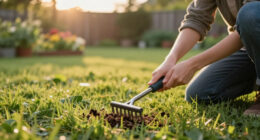
Wildlife advocates advise homeowners to leave patches of bare soil in their yards. This practice supports biodiversity, provides habitat, and promotes soil health. The advice is based on ecological research but specific implementation details remain under discussion.
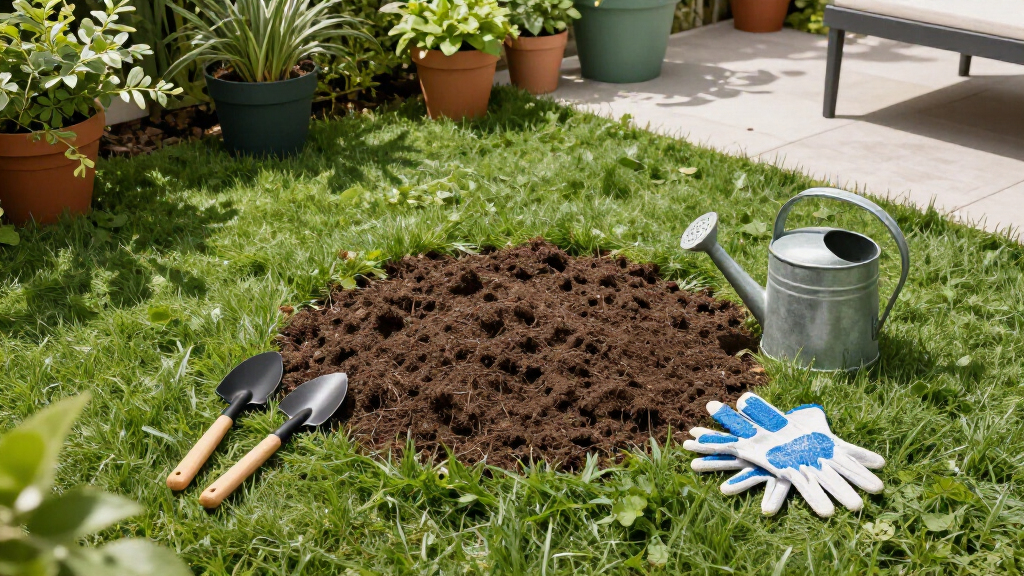
Wildlife conservation experts are now recommending that homeowners leave patches of bare soil in their yards to support local ecosystems. This advice aims to encourage biodiversity, provide habitat for insects and small animals, and improve soil health, according to recent reports from conservation groups.
Experts from wildlife organizations and ecologists have highlighted three primary benefits of leaving patches of bare soil in residential gardens. First, it creates crucial habitat for ground-nesting insects, such as solitary bees and beetles, which are vital pollinators and decomposers. Second, bare soil areas help prevent soil compaction and promote natural soil regeneration, enhancing plant growth and reducing the need for chemical fertilizers. Third, these patches serve as foraging grounds for various small animals, including lizards and amphibians, contributing to a balanced local ecosystem.
The recommendation is supported by recent ecological studies indicating that minimal disturbance of soil helps maintain biodiversity and soil resilience. Authorities emphasize that this practice should be implemented thoughtfully, avoiding erosion and ensuring safety for pets and children. The advice is part of broader efforts to promote sustainable gardening practices and urban biodiversity.
Impact of Bare Soil on Urban Biodiversity and Ecosystem Resilience
This advice matters because it encourages a simple, actionable way for homeowners to support biodiversity and ecological health in urban and suburban areas. Leaving patches of bare soil can significantly increase habitat availability for native species, which are often threatened by habitat loss and intensive landscaping. Additionally, promoting natural soil processes can reduce reliance on chemical inputs, benefiting both human health and the environment. As climate change and urbanization continue to threaten ecosystems, such small-scale interventions could play a meaningful role in conservation efforts.
bare soil patches for wildlife habitat
As an affiliate, we earn on qualifying purchases.
As an affiliate, we earn on qualifying purchases.
Recent Trends in Sustainable Gardening and Urban Wildlife Support
Over the past decade, there has been a growing movement toward wildlife-friendly gardening, emphasizing native plants, reduced chemical use, and habitat creation. Recent studies have shown that urban areas can serve as refuges for biodiversity if managed properly. Experts have increasingly recommended leaving patches of natural soil undisturbed as part of these efforts. The current advocacy aligns with broader environmental initiatives aimed at restoring ecological balance within human-dominated landscapes.
“Leaving patches of bare soil can provide critical habitat for ground-nesting insects and other small creatures that are essential for ecosystem health.”
— Dr. Emily Carter, Ecologist
As an affiliate, we earn on qualifying purchases.
Uncertainties About Best Practices and Potential Risks
While the benefits are supported by ecological research, specific guidelines for how much bare soil is optimal, how to prevent erosion, and safety considerations for pets and children are still being developed. Experts caution that improper implementation could lead to issues such as soil runoff or attracting unwanted pests. Further studies are needed to establish standardized best practices for different climates and soil types.
As an affiliate, we earn on qualifying purchases.
Further Research and Public Education on Soil Management
Researchers plan to conduct more detailed studies on the optimal size and placement of bare soil patches for various environments. Conservation groups will likely expand public education campaigns to guide homeowners on safe and effective implementation. Local authorities may also incorporate these recommendations into urban planning and community gardening programs, encouraging wider adoption of wildlife-friendly practices.
native plant seeds for biodiversity
As an affiliate, we earn on qualifying purchases.
As an affiliate, we earn on qualifying purchases.
Key Questions
How large should a bare soil patch be in my yard?
Experts suggest patches should be at least one square meter but can vary depending on yard size and local conditions. It’s best to consult local conservation guidelines for tailored advice.
Are there any risks to leaving bare soil in my garden?
Potential risks include soil erosion, attracting pests, or safety concerns for children and pets. Proper placement and minimal disturbance can mitigate these issues.
Can leaving bare soil replace traditional gardening practices?
No, it should complement native planting and chemical-free gardening. Combining these practices enhances overall ecological benefits.
Is this advice suitable for all climates and regions?
While generally beneficial, the specific approach may vary based on local soil, climate, and wildlife. Consult local experts for best results.
Source: rss
Fall yard work Picks
leaf blowers
As an affiliate, we earn on qualifying purchases.