
TL;DR

Get garden gear delivered free with Prime
- Fast, free delivery on millions of items
- Prime Video, Amazon Music and more included
- Member-only deals all year
A rabbit fence must be buried at least 30-45 cm deep, with small mesh openings (13-19 mm), and a height of 90 cm to prevent digging and jumping. Proper installation and maintenance are crucial for long-term protection.
Bury your fence at 45 cm (18 inches), angled outward, to prevent tunneling.
Use mesh with 13-19 mm (0.5-0.75 inches) openings for effective rabbit exclusion.
Make the fence at least 90 cm (3 feet) high, with overhang or angled tops to stop jumping.
Extend mesh outward with an apron of 30-45 cm (12-18 inches) to block burrowing around the edges.
Regular maintenance and inspections keep your fence effective for years in desert conditions.
Why Depth Matters More Than You Think
Rabbit digging skills are impressive. They can tunnel up to 60 cm (2 feet) underground in search of food or shelter. That’s why simply building a fence isn’t enough. If you don’t bury it deep enough, those sneaky critters will dig underneath. Research from Gardener AZ confirms that a minimum of 30-45 cm (12-18 inches) of fencing depth significantly reduces tunneling breaches.
Imagine a garden where rabbits dig just beneath the fence line, slipping past your defenses. To prevent this, you need to extend the fence’s reach underground. Burying it at 45 cm (about 18 inches) creates a sturdy barrier that even the most persistent digger struggles to breach. Why does this depth matter? Because the deeper the fence, the less likely rabbits can tunnel underneath without being seen or disturbed. It’s a tradeoff: going deeper costs more effort and material but drastically reduces breaches. Shallow fences, say around 15-20 cm, are much easier for rabbits to dig under, especially after rains soften the soil, making breaches more frequent. Extending the fence at least 45 cm minimizes this risk, but some gardeners opt for even deeper, up to 60 cm, in areas with high rabbit activity, balancing effort with security. When choosing depth, consider the soil type; sandy soils may require deeper fencing, while clay soils may hold the fence better at shallower depths. Additionally, angling the fence outward at 45 degrees can help block tunnel entrances from multiple angles, adding an extra layer of security and making tunneling efforts more difficult for rabbits.
As an affiliate, we earn on qualifying purchases.
Mesh Size and Material: The Details That Make a Difference
Small mesh openings are your best friends when it comes to stopping rabbits. Mesh with 13-19 mm (0.5-0.75 inches) openings prevents even the most slender animal from squeezing through. Think of it like trying to fit a mouse through a tiny window—impossible with the right size.
Material counts, too. Galvanized steel mesh resists rust and weather, especially important in the desert where sun and wind take a toll. Heavy-duty plastic works as a lightweight alternative but may need replacing after a few years of relentless sun exposure. For added strength, some gardeners prefer hexagonal mesh, which distributes tension better and resists tearing.
Choosing the right mesh size and material impacts your fence’s long-term performance. Smaller openings mean fewer breaches, but they can also make installation more challenging and increase costs. Conversely, larger openings might be easier to work with but risk allowing smaller pests or even baby rabbits to squeeze through or tunnel underneath. Material durability is key: galvanized steel provides excellent resistance to rust and corrosion, especially in desert conditions with high temperatures and occasional rain, ensuring your investment lasts for years. Plastic mesh, while easier to handle, may degrade faster under intense sun, leading to more frequent replacements. So, consider your specific needs, budget, and climate when selecting mesh size and material to strike a balance between effectiveness and longevity.
burrowing animal fence mesh 13-19 mm
As an affiliate, we earn on qualifying purchases.
As an affiliate, we earn on qualifying purchases.
Fence Height and How to Keep Rabbits From Jumping Over
Rabbits are surprisingly good jumpers—many can clear 3 feet (90 cm) with ease. So, a fence height of at least 90 cm is the minimum. But for peace of mind, some gardeners extend that to 1 meter (39 inches), especially in areas with high rabbit populations.
Additional features help. An overhanging top section or an inward-slanting angle reduces the chance of a rabbit leaping over. For instance, a simple angled top can make your fence nearly impossible to scale. Think of it as a mini wall that rabbits find unattractive to challenge.
Imagine a garden where a rabbit tries to jump, only to bounce off the angled top. It’s a simple addition that saves plants and frustration.
As an affiliate, we earn on qualifying purchases.
Extra Measures: Outward Aprons and Tunnels
Even with a well-buried fence, rabbits can tunnel around the edges if you don’t reinforce the base. Extending mesh outward at the bottom—called an apron—acts like a moat. About 30-45 cm (12-18 inches) of outward extension prevents tunneling directly next to the fence.
For example, a gardener in the desert used a mesh apron combined with a buried fence, creating a nearly impenetrable barrier. The result? No more rabbit holes under the fence, and peace of mind.
Regularly inspect these extensions for damage or gaps, especially after storms or high winds. Replacing or adjusting the apron keeps your barrier effective year after year.
animal exclusion fence for rabbits
As an affiliate, we earn on qualifying purchases.
As an affiliate, we earn on qualifying purchases.
Latest Innovations Making Fence Security Easier
Technology and design improvements have made rabbit fencing more reliable and easier to install. Modular kits with pre-buried sections simplify the process—no more guessing about depths or fighting with tangled mesh. UV-stabilized plastics and corrosion-resistant coatings mean fences last longer in desert conditions.
Some new fences incorporate underground reinforced barriers, like concrete bases or steel reinforcement, to block tunneling entirely. And, low-voltage electric wires are gaining popularity, acting as an extra deterrent for both jumpers and diggers.
Imagine installing a fence in a single afternoon, knowing it’s built to last five, maybe ten years. That’s the power of these innovations.
Putting It All Together: Your Step-by-Step Fence Setup
- Choose galvanized steel or heavy-duty plastic mesh with 13-19 mm openings.
- Dig a trench 45 cm deep, extending at a 45-degree outward angle from your garden edge.
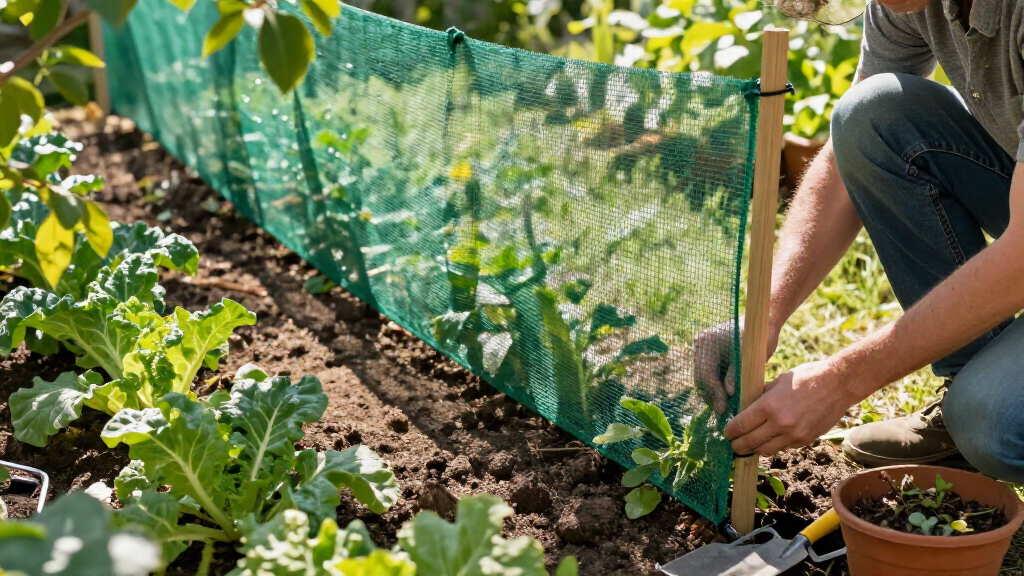
- Lay the mesh in the trench, ensuring it extends at least 30-45 cm outward to form an apron.
- Use sturdy stakes or posts every 2-3 meters to tension and support the fence.
- Extend the fence 90 cm or more vertically, adding an angled or overhanging top for jumping prevention.
- Regularly inspect and repair any damage or sagging, especially after storms.
Following these steps results in a nearly impenetrable barrier that stops digging and jumping—protecting your desert oasis for years.
How to Keep Your Fence Working Year After Year
Even the best fence needs upkeep. Check regularly for gaps, sagging, or damage. After storms, inspect the mesh and re-tension if necessary. Replace sections that show rust or tears, especially in the desert’s punishing sun and wind.
Use protective coatings on metal parts to prevent corrosion. Keep the apron clear of debris or plant overgrowth that could create gaps. A quick annual inspection can save your plants from a rabbit invasion.
Frequently Asked Questions
How deep should I bury my rabbit fence?
Bury it at least 30-45 cm (12-18 inches), with 45 cm being ideal for preventing tunneling. Angling the fence outward at 45 degrees adds extra security.Can rabbits dig under the fence?
Yes, which is why burying the fence deep and extending mesh outward with an apron is essential. Proper installation makes tunneling nearly impossible.What mesh size is best for rabbits?
Mesh with openings no larger than 13-19 mm (0.5-0.75 inches) effectively prevents rabbits from squeezing through or tunneling underneath.How high should my rabbit fence be?
At least 90 cm (3 feet), with some gardeners going higher or adding angled tops to prevent jumping.Are eco-friendly fencing options available?
Yes, many manufacturers offer non-toxic, wildlife-friendly materials that are durable enough for desert conditions, combining safety with longevity.Conclusion
A well-designed fence isn’t just about height or mesh size. It’s about burying the barrier deep enough, reinforcing the base, and staying vigilant. With these steps, you’ll turn your garden into a rabbit-proof zone that withstands the desert’s toughest challenges. Keep an eye on your fence, and your plants will thank you for years to come.Fall yard work Picks
leaf blowers
As an affiliate, we earn on qualifying purchases.