
TL;DR

Get garden gear delivered free with Prime
- Fast, free delivery on millions of items
- Prime Video, Amazon Music and more included
- Member-only deals all year
Shade cloth should face the sun—typically southwest or west—to block the low, hot desert afternoon rays. Proper angle and material choice make a big difference in keeping your garden cool and safe from heat stress.
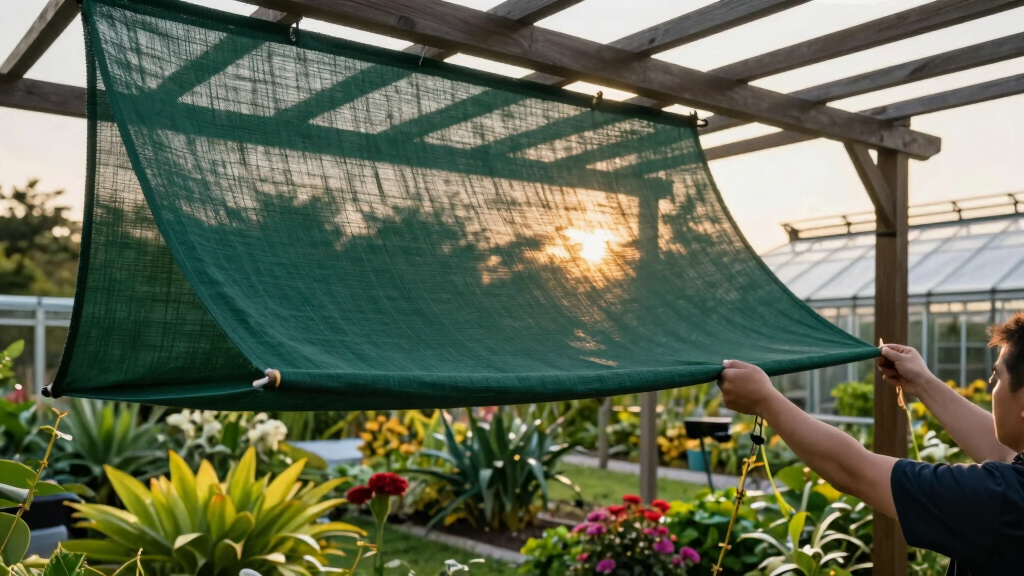
If you want to beat the desert heat, positioning your shade cloth correctly makes all the difference. It’s not just about hanging fabric—it’s about facing it the right way to block the low, scorching afternoon sun. When the sun dips low in the summer sky, its rays pour in from the southwest, turning your patio or garden into a furnace.
This guide will walk you through how to orient and install shade cloth for maximum relief. You’ll learn which direction to face it, how to angle it, and what materials hold up best in the desert’s fierce sun. Ready to keep your space cooler and your plants happier? Let’s get into it.
Always face your shade cloth toward the southwest or west to block the low, intense desert afternoon sun.
Install the shade at a downward angle of 20-30° for maximum effectiveness during peak hours.
Use UV-resistant, reflective fabrics designed for desert conditions to prolong lifespan and improve heat reflection.
Mount shade cloth at least 6-8 feet high to allow airflow and prevent heat trapping underneath.
Consider adjustable or retractable systems for seasonal changes and optimal shading year-round.
Why Facing Shade Cloth Toward the Southwest Saves Your Garden
In the desert, the hottest and most damaging sunlight during the late afternoon comes from the southwest. Facing your shade cloth toward this direction intercepts the low sun’s rays before they hit your plants or patio. This simple adjustment can cut your garden’s temperature by up to 15°F during peak hours.
Imagine sitting on your porch at 4 p.m. and feeling the sun’s relentless glow. A well-positioned shade cloth blocks that glare, creating a shaded oasis where you can relax without sweating. If you’re growing water-sensitive plants, this orientation prevents sunburn and heat stress.
For example, a homeowner in Phoenix found that mounting a 70% shade cloth facing southwest cut afternoon temps from 105°F to 90°F underneath. That’s a game-changer for desert gardening.
UV-resistant shade cloth for outdoor patio
As an affiliate, we earn on qualifying purchases.
As an affiliate, we earn on qualifying purchases.
How to Install Shade Cloth for Best Low Sun Blocking
- Identify the sun’s path during summer afternoons—mainly southwest during 2-6 p.m.
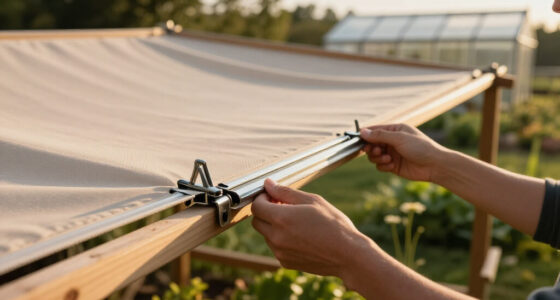
- Mount your shade cloth at a height of 6-8 feet to allow air circulation and prevent trapping heat underneath. Proper height ensures that hot air can rise and escape, reducing heat buildup beneath the fabric, which is essential for cooling outdoor spaces effectively.
- Angle the fabric downward toward the southwest, so it intercepts the sun’s rays at a steep enough tilt. This angle is critical because it determines how much sunlight is deflected. Too flat, and the shade won’t block enough low-angle afternoon sun; too steep, and it might trap heat or block too much winter sun.
- Use UV-resistant, durable fabric designed for desert conditions—think high-density polyethylene (HDPE) with reflective qualities. These materials reflect more heat and resist fading, extending the lifespan of your shade and maintaining its effectiveness over seasons.
- Adjust or add retractable features for seasonal changes or different sun angles. Flexibility allows you to optimize shading as the sun’s position shifts, ensuring consistent protection without sacrificing sunlight in cooler months.
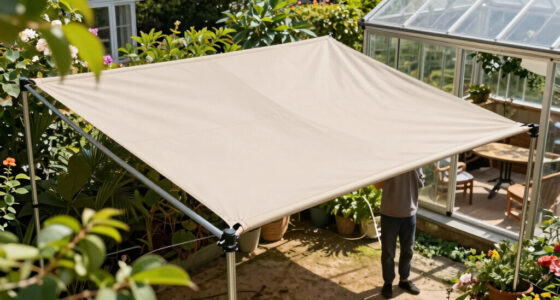
For example, a gardener in Tucson installed a retractable shade on a sturdy metal frame, angled at about 30° facing southwest. During peak summer, this setup blocks most of the afternoon sun, keeping her vegetable beds thriving even in the heat. The ability to adjust the angle seasonally means she can maximize shade when necessary and allow more sun during milder months, balancing plant needs with comfort.
reflective shade fabric for desert garden
As an affiliate, we earn on qualifying purchases.
As an affiliate, we earn on qualifying purchases.
Comparison: Facing vs. Not Facing Shade Cloth — What Matters Most?
| Feature | Facing the Sun (Southwest/West) | Not Facing the Sun (Other Directions) |
|---|---|---|
| Sun blocking efficiency | Up to 80% during late afternoon | Less effective, especially during peak heat hours |
| Heat reduction | Significantly lower temperatures underneath | Minimal impact on heat buildup |
| Plant protection | Better protection from sunburn and heat stress | Higher risk of damage during hottest times |
| Material longevity | Longer lifespan with reflective fabrics |
This comparison shows why facing your shade cloth toward the southwest in desert afternoons isn’t just a tip—it’s a game changer for cooling and plant health. Proper orientation maximizes the fabric’s ability to block the low, intense rays that cause heat stress and sunburn, leading to healthier plants and more comfortable outdoor spaces. The tradeoff of correct facing is a more efficient use of materials and a longer-lasting shade solution, ultimately saving money and effort over time.
As an affiliate, we earn on qualifying purchases.
Choosing the Right Material to Reflect Desert Heat
Material matters more than you might think. For desert gardens, UV-resistant HDPE fabrics with high reflectivity work best. Bright white or silver-colored shade cloth bounces sunlight away, reducing heat absorption by as much as 30% compared to dark fabrics.
Think of it like a car with a reflective roof—less heat gets trapped inside, keeping the interior cooler even on blazing days. This reflective quality not only enhances cooling but also helps prevent fabric degradation caused by prolonged sun exposure. A gardener in Yuma swapped out her dark green shade cloth for a reflective silver one, and her patio stayed noticeably cooler. Plus, high-quality fabrics resist fading and tearing in punishing sun and wind, ensuring your investment lasts longer and performs better year after year.
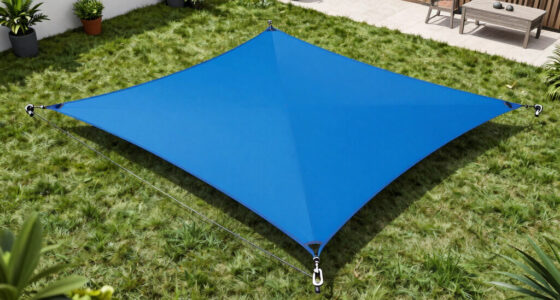
outdoor shade sail for sun protection
As an affiliate, we earn on qualifying purchases.
As an affiliate, we earn on qualifying purchases.
Can I Adjust or Rotate My Shade Cloth Seasonally?
Absolutely. Adjustable or retractable shade systems make it easy to change orientation as the sun’s path shifts with the seasons. In summer, face the cloth southwest for maximum relief. In winter, you might tilt it differently or roll it up to let in more sun. This flexibility allows you to optimize shading, balancing cooling needs with winter sunlight for plant health and energy efficiency.
A gardener in Palm Desert installed a simple pulley system that lets her rotate and tilt her shade cloth. During peak summer, she angles it sharply to block the low afternoon rays. When winter arrives, she rolls it up, soaking up the winter sun. This seasonal adjustment prevents overheating in summer and ensures sufficient sunlight during cooler months, promoting healthier plant growth and more comfortable outdoor living spaces.
Frequently Asked Questions
Should shade cloth face the sun or the shade?
It should face the sun to effectively block or deflect the sunlight before it hits your plants or patio. Facing away from the sun won’t provide much relief.What is the best angle to install shade cloth in a desert environment?
Aim for a downward tilt of about 20-30°, angled toward the southwest or west, to intercept the low afternoon sun efficiently. This angle maximizes shade coverage while allowing air circulation, which is crucial for cooling. A steeper tilt might block more sun but can also trap heat underneath, so finding a balance is key. Choosing the right angle involves understanding how the sun’s position shifts seasonally and how different angles can trade off between maximum shade and heat trapping. Adjusting the tilt seasonally can optimize both cooling and sunlight access for your plants.How high should shade cloth be installed?
Typically, 6-8 feet above ground offers enough clearance for airflow and prevents heat from trapping underneath, especially over patios or garden beds. Higher installations enhance ventilation and reduce heat buildup, making the shaded area more comfortable. Proper height ensures that hot air can rise and escape, providing a cooler environment beneath the shade. It also prevents the fabric from sagging or touching plants, which can lead to damage or reduced effectiveness.Can I change shade cloth position seasonally?
Yes. Using adjustable or retractable systems allows you to tilt or roll up your shade cloth based on the season, maximizing comfort and sunlight. During cooler months, you might reduce shade to allow more winter sun, whereas in summer, you can maximize shade to keep temperatures down. This seasonal flexibility helps balance plant needs with outdoor comfort, reducing energy costs and protecting your garden year-round.What materials work best for desert shade cloth?
UV-resistant HDPE fabrics in light colors—white or silver—reflect more heat and last longer under intense desert sun. These materials also resist tearing and fading, ensuring longevity and consistent performance over seasons. Reflective fabrics help bounce heat away, reducing the overall temperature underneath and protecting plants from sunburn. Investing in quality materials means less frequent replacements and more reliable shading, which is critical in harsh desert environments.Conclusion
Getting the orientation right can turn a simple shade cloth into a powerful tool against desert heat. Facing it toward the southwest during the hottest hours ensures you block the low, blazing afternoon sun—keeping your garden cooler and your plants healthier.
Next time you set up shade, think about the sun’s path, angle your fabric accordingly, and choose materials that reflect heat. Your outdoor space will thank you—cooler, calmer, and more comfortable, no matter how fierce the desert afternoon gets.
Fall yard work Picks
leaf blowers
As an affiliate, we earn on qualifying purchases.