TL;DR
Prime for Young Adults — start your free trial
Fast free delivery, streaming and member deals for eligible 18–24 year olds.
Try it freeAs an affiliate, we earn on qualifying purchases.
Setting up shaded areas, providing fresh water, and choosing paw-safe surfaces can keep your pets safe and comfortable during summer. Innovative cooling tools and smart design help prevent heat-related dangers effectively.
Summer’s heat can turn outdoor time into a danger zone for pets. The scorching sun, blinding heat, and hot pavement threaten their safety and comfort. But with just a few simple steps—shade, water, and paw-safe surfaces—you can turn your yard or patio into a pet-friendly oasis.
In this guide, you’ll learn how to create cool zones that prevent heatstroke, protect paws from burns, and keep your furry friends happy and healthy all summer long. No fluff, just straightforward advice from a practical neighbor who’s seen it all.
Shade should be continuous and positioned during peak heat hours for maximum protection.
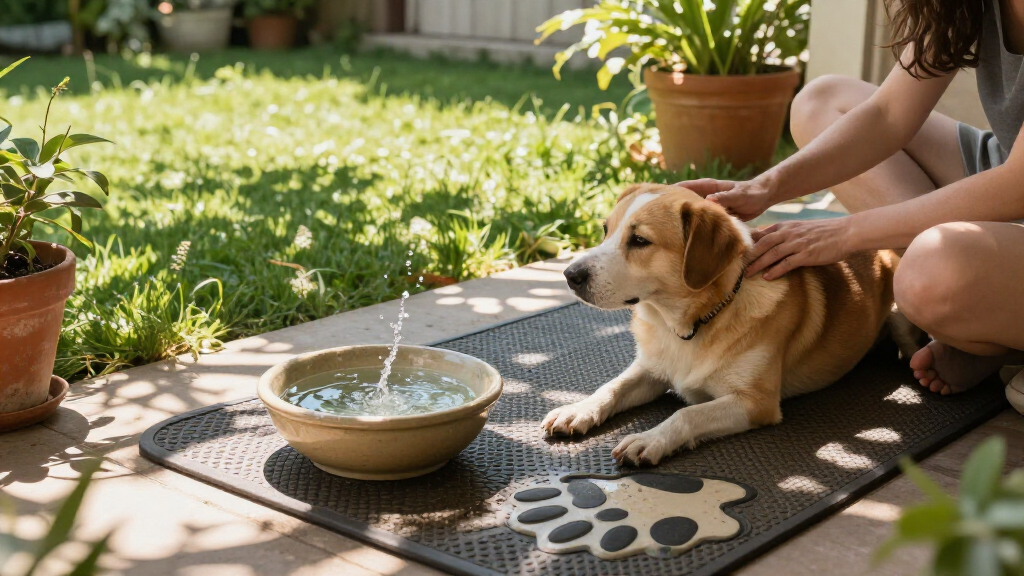
Multiple, clean water stations with cooling features encourage pets to stay hydrated.
Avoid hot pavements—use grass, shaded concrete, or cooling mats to protect paws.
Maximize airflow with fans, breezy shade placement, and open designs to prevent overheating.
Early recognition of heatstroke symptoms and paw burns saves lives—know what to look for and act fast.
Cool Pet Zones: Shade, Water & Paw-Safe Surfaces in Summer
Summer’s heat can turn outdoor time into a danger zone for pets. Scorching sun, blinding heat, and hot pavement threaten their safety. With shade, water, and paw-safe surfaces, you can turn your yard or patio into a pet-friendly oasis that prevents heatstroke and paw burns all summer long.
Build the Perfect Shade Spot in 3 Steps
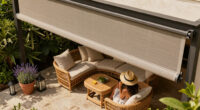
Shade is your pet’s personal umbrella. Direct sun causes heatstroke, sunburn, and dehydration — especially in short-haired or light-colored pets. Not all shade is equal: dense leafy trees cool through transpiration and airflow, while poorly ventilated shade cloths can trap heat.
Choose the Spot
Study wind patterns and sunlight angles. Position shade so it stays continuous through peak heat hours (10 a.m. – 4 p.m.).
Pick the Structure
Prefer trees and shade sails over enclosed covers. Use UV-resistant, breathable fabrics that block sun but let heat escape.
Layer with Airflow
Add fans or breezy curtains under the shade. Moving air can drop perceived temperature by several degrees.
How Hot Do Surfaces Get?
A surface that feels warm to your hand can be deadly to paw pads. Darker materials absorb more heat and stay hot longer. Grass and shaded concrete stay dramatically cooler than asphalt.
Burn risk: At 125°F, asphalt can cause burns on paw pads in seconds — leading to pain, infection, and long-term damage requiring veterinary treatment. Walk early morning or late evening, and route walks over grass whenever possible.
Surface Comparison at a Glance
Choose materials that reflect rather than absorb heat, and allow air circulation underneath. Cooling mats give pets a safe resting spot after walks.
| Surface | Heat Absorption | Paw Safety | Best Use |
|---|---|---|---|
| Grass | Low | ✓ Safe | Play areas & walk routes |
| Shaded concrete | Moderate | ~ OK if shaded | Patios under shade sails |
| Permeable pavers | Low–Moderate | ✓ Safe | Shaded walkways & paths |
| Cooling gel mats | Actively dissipates | ✓ Safe | Resting spots after walks |
| Dark concrete (full sun) | High | ✗ Avoid | Only outside peak hours |
| Asphalt (full sun) | Very high — 125°F+ | ✗ Avoid | Never during peak heat |
Hydration Stations & Keeping the Breeze Flowing
Dehydration impairs organ function, reduces stamina, and can lead to life-threatening heatstroke. Meanwhile, trapped air creates a stifling microclimate that accelerates overheating. Fresh water plus moving air is the winning combination.
Multiple Clean Stations
Place several water points around the yard to prevent crowding and encourage frequent drinking. Refresh at least twice daily — more in extreme heat.
Automated Fountains
Dispensers with filtration, cooling, and low-water sensors keep a constant supply of appealing, clean water — and cut bacteria growth.
Fans & Misting Systems
Aim for a gentle, consistent breeze. Misting plus shade can lower perceived temperature by several degrees without startling pets.
Spot Heatstroke & Paw Burns Before It’s Too Late
Pets can succumb to heatstroke in minutes. Excessive panting, drooling, weakness, vomiting, or collapse mean your pet’s body is overwhelmed and needs immediate cooling.
Recognize early: heavy panting, drooling, lethargy, vomiting, collapse, or seizures. Check paw pads for heat, swelling, or limping.
Move & cool: relocate to shade, offer water, and wet paws with cool — not ice-cold — water. Cold water causes vasoconstriction and worsens the situation.
Prevent proactively: limit activity from 10 a.m. to 4 p.m., always provide shade and water, and stick to paw-safe surfaces.
Call the vet: if symptoms persist or worsen, seek veterinary care immediately. Fast action saves lives.
From Danger Zone to Summer Oasis
How to Build the Perfect Shade Spot for Your Pet in 3 Easy Steps
Pets need protection from direct sunlight—think of shade as their personal umbrella. Natural shade from trees is best, but supplemental structures work great too. Why? Because prolonged exposure to direct sun can cause heatstroke, sunburns, and dehydration, especially in short-haired or light-colored pets. Shade reduces the ambient temperature and provides a refuge, but it’s essential to understand that not all shade is equally effective. Dense, leafy trees offer cooling through transpiration and airflow, whereas shade cloths or umbrellas block sunlight but may trap heat if not ventilated properly. Layering shade with airflow—such as adding fans or breezy curtains—can significantly enhance comfort. The goal is to create a shaded environment that remains cool during peak heat hours, reducing the risk of heat-related health issues and ensuring pets feel comfortable and secure. Choosing the right spot and structure means considering local wind patterns, the intensity of sunlight at different times, and your pet’s specific needs for shade duration. This thoughtful approach helps prevent overheating and makes outdoor time both safe and enjoyable.
As an affiliate, we earn on qualifying purchases.
Water Stations That Keep Pets Hydrated and Happy in Summer
Fresh, cool water is non-negotiable in summer. Pets lose water fast in the heat, and dehydration can turn deadly. But beyond simply providing water, understanding why hydration matters so much can motivate you to set up better systems. Dehydration impairs organ function, reduces stamina, and can lead to life-threatening conditions like heatstroke. It’s not just about quantity but also quality—clean, fresh water helps your pet drink more comfortably and reduces the risk of bacteria growth. Multiple stations prevent crowding and make water easily accessible from different parts of your yard, encouraging pets to drink more frequently. Using cool or iced water can help lower body temperature, especially when pets are active. Smart dispensers, like automated fountains with filtration and cooling features, ensure a constant supply of appealing water, reducing the chances of pets skipping hydration. Regularly cleaning bowls and changing water prevents bacteria buildup, which can cause illness. The key is to create a hydration environment that’s inviting, accessible, and consistently fresh—because a well-hydrated pet is a healthy pet, especially in scorching weather.
As an affiliate, we earn on qualifying purchases.
Paw-Safe Surfaces That Keep Your Pet From Burning Their Paws
Hot pavement, asphalt, and dark concrete can scorch paw pads in seconds. A surface that feels cool to your hand might be deadly to a pet’s paws. The implications are serious: burns can cause pain, infections, and long-term damage, which may require veterinary treatment. Choosing paw-safe surfaces involves understanding heat absorption—darker materials like asphalt absorb more heat and stay hot longer, making them risky during peak temperatures. Conversely, grassy areas or shaded concrete stay cooler and are less likely to cause burns. Cooling mats filled with gel or water can absorb and dissipate heat, providing a safe resting spot after walks. Creating shaded walkways with permeable pavers allows air circulation and prevents heat buildup, making paths safer for paws. It’s also important to consider the timing of outdoor activities—early mornings or late evenings are cooler times to walk your pet. Implementing these surfaces and strategies means reducing the risk of painful burns, infections, and limping, which can significantly impact your pet’s comfort and health. Prioritizing paw safety isn’t just about avoiding discomfort; it’s about preventing serious injuries that could compromise your pet’s well-being long-term.
As an affiliate, we earn on qualifying purchases.
Keep the Breeze and Cool Air Flowing in Your Pet’s Outdoor Space
Pets can overheat quickly if there’s no good air circulation. Good ventilation is key to preventing heat stress. Without proper airflow, heat can become trapped, creating a stifling environment that accelerates overheating. Positioning shade structures where natural breezes flow can significantly reduce ambient temperatures and improve comfort. Using outdoor fans or misting systems can further lower heat levels, but their placement and operation should be strategic—aimed at creating a gentle, consistent breeze that cools without startling pets. Designing with airflow in mind involves avoiding clutter or barriers that block wind, and keeping pathways open for natural ventilation. The benefits extend beyond comfort: good airflow helps disperse humidity, reduce stagnant air, and prevent respiratory issues. Visualize a shaded patio with a steady breeze and misting system—this combination can lower the perceived temperature by several degrees, transforming the space into a summer oasis. Proper ventilation is crucial because it directly influences how well your pet can regulate their body temperature, especially during the hottest parts of the day, reducing the risk of heat exhaustion and stress.
As an affiliate, we earn on qualifying purchases.
How to Spot and Prevent Heatstroke and Paw Burns Before It’s Too Late
Heatstroke is a real danger—pets can succumb in minutes if you’re not watching. Paw burns happen fast on hot pavement, too. Recognizing early warning signs and understanding the implications can mean the difference between a quick fix and a life-threatening emergency. Heatstroke symptoms like excessive panting, drooling, weakness, vomiting, or collapse indicate that your pet’s body is overwhelmed and needs immediate cooling. Paw burns, often unnoticed at first, can cause pain, swelling, and long-term damage if untreated. The key to prevention is proactive management: limiting outdoor activity during the hottest hours, always providing shade and water, and choosing paw-safe surfaces. Immediate action if you suspect heatstroke involves moving your pet to a cooler environment, offering water, and wetting their paws with cool (not ice-cold) water—cold water can cause vasoconstriction, worsening the situation. Seeking veterinary care promptly is essential if symptoms persist or worsen. Understanding these signs and acting quickly can save lives and prevent painful injuries, making your outdoor space safer and more pet-friendly during summer’s peak heat.
Conclusion
Transform your outdoor space into a summer-safe haven by prioritizing shade, water, and paw-friendly surfaces. Small adjustments can prevent heatstroke and burns, making outdoor time fun and safe for your pets.
Think of your yard as a cool, breezy refuge—a place where your pet can relax, play, and stay healthy all season long. Summer doesn’t have to be risky with a little planning and awareness.
NFL season / tailgating Picks
team gear
As an affiliate, we earn on qualifying purchases.