
TL;DR

Get garden gear delivered free — and shop member deals
- Fast, free delivery on millions of items
- Access to Prime Big Deal Days deals on October 6–7
- Prime Video, Amazon Music and more included
If your tree has toppled after a monsoon storm, don’t panic. Using the right tools, careful techniques, and expert help, you can often save it. Quick action and proper care are key to recovery.
Always prioritize safety before attempting to right a toppled tree.
Use appropriate equipment—ropes, anchors, and protective gear—to gently pull the tree upright.
Address root and soil stability immediately after righting, as roots are the foundation of recovery.
Support the tree with stakes and prune damaged branches to reduce stress and promote healing.
Stay informed about new tools and techniques, like flexible supports and drone assessments, to improve success rates.
How to Safely Assess a Blown-Over Tree Before Moving
When the wind has settled, your first step is to look. Safety is the priority. Check for hanging limbs, snapped branches, or nearby power lines that might still be live. If you see dangling wires or broken branches, call the power company or a professional before approaching.
Next, examine the tree’s position. Is it just leaning, or completely uprooted? Is the root ball visible or still buried? Look for cracks in the trunk or evidence of root damage. If the tree is leaning but still rooted, chances are good you can reorient it without much fuss. If roots are exposed or the trunk is cracked, proceed with caution or call an arborist.
Imagine a large mesquite or palo verde toppled in your yard. If it’s leaning but still partly anchored, gentle effort might bring it back upright. But if the roots are exposed like a giant scoop, the risk of further damage or collapse rises. Always prioritize your safety and avoid working alone on big, heavy trees.
As an affiliate, we earn on qualifying purchases.
The Best Tools and Gear for Righting a Fallen Tree
Having the right tools can make all the difference. You’ll want:
- Heavy-duty ropes or synthetic winch cables
- Pulling devices like come-alongs or ratchet straps
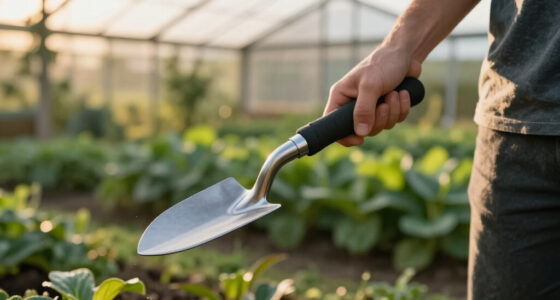
- Shovels and digging tools for soil work
- Safety gear: helmet, gloves, eye protection, steel-toed boots
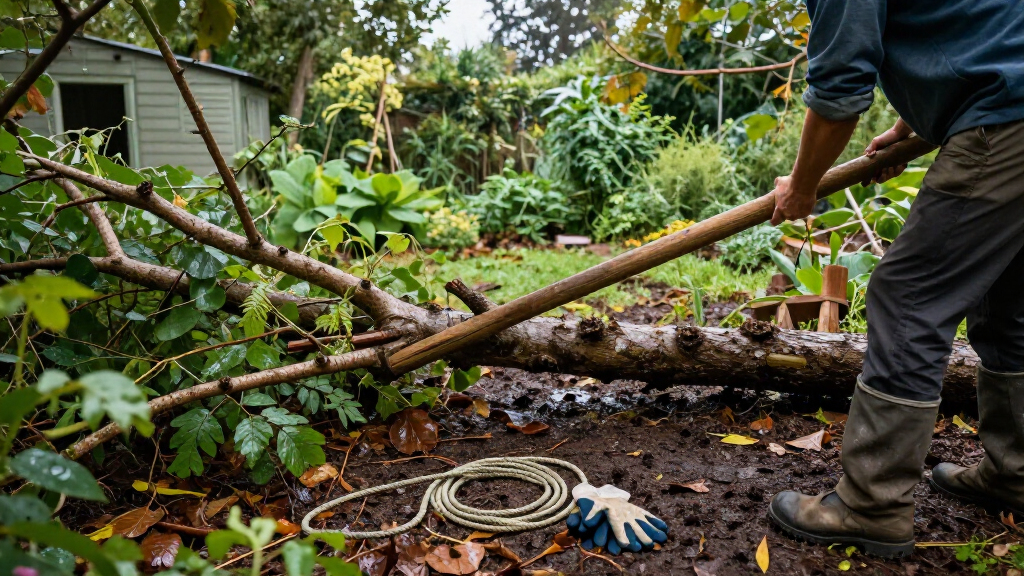
Picture yourself securing a sturdy rope to the tree’s trunk or branches, then attaching it to a fixed anchor like a heavy stake or vehicle. Safety gear isn’t just for comfort—it’s your armor against splinters, falling branches, or sudden shifts. Remember, a small mistake with heavy equipment can lead to serious injury or further damage, so proceed with caution.
For example, a homeowner in Scottsdale used a come-along and heavy-duty straps to gently pull a leaning mesquite upright, avoiding the need for expensive crane work. Proper equipment and a cautious approach saved time and money.
As an affiliate, we earn on qualifying purchases.
Step-by-Step: How to Right a Tree Safely in 5 Moves
- Clear the area: Remove debris, tools, and bystanders to prevent accidents.
- Secure the tree: Attach ropes or straps to the trunk or sturdy branches, ensuring even tension.
- Anchor your gear: Tie the other end of the rope to a vehicle, stake, or anchor point—nothing moves without a firm hold.
- Gently pull upright: Use a gradual, steady pull—avoid sudden jerks that can snap branches or crack the trunk.
- Assess and stabilize: Once upright, evaluate stability. Use stakes or supports if needed, and adjust as the tree re-establishes roots.
Imagine pulling a young mesquite upright after a monsoon toppled it in your backyard. Slow, steady pressure with the right equipment can often right the tree without causing additional injury.
As an affiliate, we earn on qualifying purchases.
Why Soil and Roots Matter When Righting a Tree
Roots are the foundation of a tree’s stability and health. If roots are damaged, exposed, or compromised, the tree’s ability to recover and stand upright is significantly diminished. When you right a tree, the soil around the roots plays a critical role in stabilizing it. Firming up the soil ensures the roots can re-establish contact with a stable medium, which is essential for nutrient uptake and anchorage.
For example, in sandy soils, the loose nature can cause the tree to lean again after being righted. Adding more soil or organic matter not only provides physical support but also encourages new root growth by improving soil moisture retention and aeration. This soil contact is vital because it stimulates the production of new roots, which are the key to long-term stability. Without proper soil and root health, the risk of the tree toppling again or suffering further damage increases, making soil stabilization a crucial step in the recovery process.
Deeply understanding why soil and roots matter is essential because they are the living support system of your tree. Damaged roots weaken the tree’s grip on the ground, making it more vulnerable to future storms. Conversely, healthy roots and well-prepared soil create a resilient foundation, but achieving this balance involves tradeoffs. For instance, overly compacted soil may hinder root growth, while too much loose soil can cause instability. Expert intervention, such as soil stabilization or root pruning, often helps optimize this balance for long-term success.
professional tree root repair tools
As an affiliate, we earn on qualifying purchases.
As an affiliate, we earn on qualifying purchases.
Post-Righting Care to Help Your Tree Thrive Again
Once your tree is upright, it’s not out of the woods yet. Support it with stakes or guy wires if it’s unstable. Use soft ties to prevent bark damage, and remove these supports after a year or when the tree shows strong, steady growth.
Prune away any broken or damaged branches to reduce stress and improve shape. Water the tree deeply—deep watering encourages roots to grow downward and spreads nutrients evenly. Fertilize lightly with a slow-release fertilizer suited for desert trees to give it a boost.
For instance, after righting a large palo verde, a gardener in Phoenix pruned damaged limbs and applied a slow-release fertilizer, which helped the tree recover and flourish within two seasons.
What’s New? Tech and Techniques Making Tree Recovery Easier
New support systems like flexible staking and adjustable guying help trees recover faster and with less stress. Drones now assist with damage assessments, saving you from risky climbs or guesswork. Soil amendments like biochar and aeration improve root re-establishment after uprooting.
According to Gardener AZ, these innovations have increased recovery success rates in storm-prone areas. Climate change is making storm damage more common, so staying updated on these methods can save your trees and your peace of mind.
Can You Save Every Blown-Over Tree? Knowing When to Call It
Not every tree can be saved. If the trunk is cracked beyond repair, the root ball is badly exposed or damaged, or the tree keeps leaning despite efforts, it’s time to consider removal. Persistent leaning or cracking can threaten nearby structures or other plants.
For example, a large desert willow with a split trunk and root rot might seem salvageable but is better removed to prevent hazards. When in doubt, a certified arborist can assess damage accurately and advise on the best course.
Remember, attempting to save a hopeless case can be dangerous and costly. Sometimes, removing the tree is the safest and most responsible choice.
Frequently Asked Questions
Can I right a tree myself or should I hire a professional?
Small trees or manageable toppled trees can sometimes be righted with the right tools and caution. But for large, heavy, or severely uprooted trees, hiring a certified arborist is safest to prevent injury and further damage.How long does it take for a tree to recover after being blown over?
Recovery time varies. Smaller injuries may heal in a few months, but larger root or trunk damage can take several years for full recovery. Regular care, watering, and pruning speed up the process.Will my tree survive after being blown over?
Many trees recover if righted promptly and properly cared for. Factors like species, root health, and extent of damage influence survival chances. Sometimes, early intervention makes all the difference.How do I know if my tree can’t be saved?
Signs include a cracked or split trunk, roots that are badly exposed or damaged, and persistent leaning despite efforts. A professional assessment can confirm whether salvage is feasible.What can I do to prevent my trees from toppling in future storms?
Proper pruning, choosing wind-resistant species, and installing supports like guy wires or staking can improve stability. Regular inspections and root care also help strengthen trees against storms.Conclusion
A toppled tree isn’t necessarily a lost cause. With patience, proper tools, and care, you can often restore its health and shape. Think of it as giving your landscape a second chance—one gentle push at a time. When storms strike, staying calm and acting smart can save your trees and your peace of mind.Fall yard work Picks
leaf blowers
As an affiliate, we earn on qualifying purchases.