TL;DR

Get garden gear delivered free — and shop member deals
- Fast, free delivery on millions of items
- Access to Prime Big Deal Days deals on October 6–7
- Prime Video, Amazon Music and more included
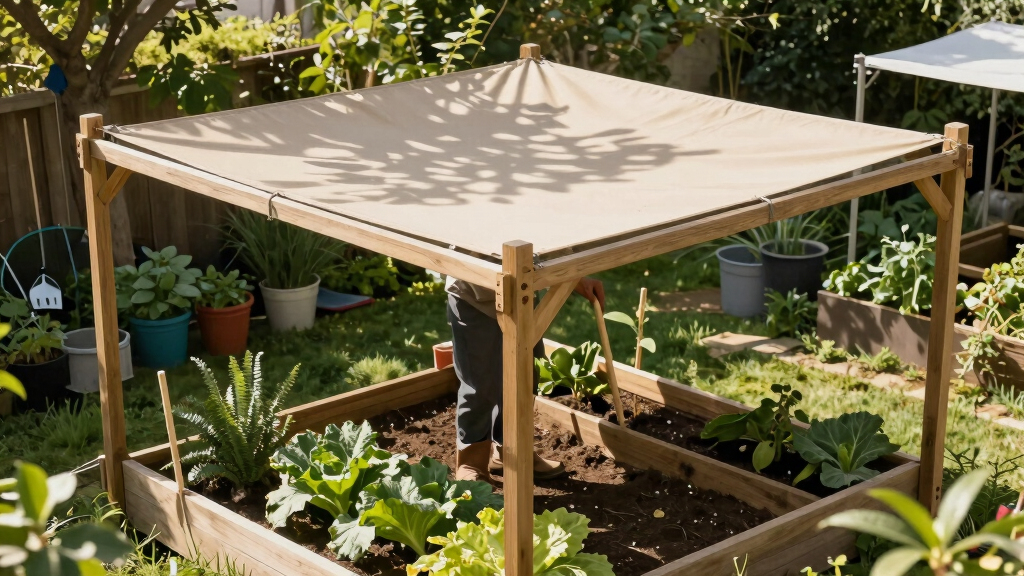
Building a simple shade structure over your raised bed is a practical way to protect plants from intense desert sun. Use sturdy, water-resistant materials, follow clear steps, and adjust as needed for durability and effectiveness.
Imagine your raised bed basking in the blazing desert sun, plants struggling to keep cool. A simple shade structure can turn that scene around—cutting heat, boosting growth, and extending your growing season.
In this guide, you’ll learn how to build a sturdy, water-wise shade cover tailored to your zone. No fancy tools or complicated plans—just practical steps to keep your garden thriving under the sun’s relentless glare.
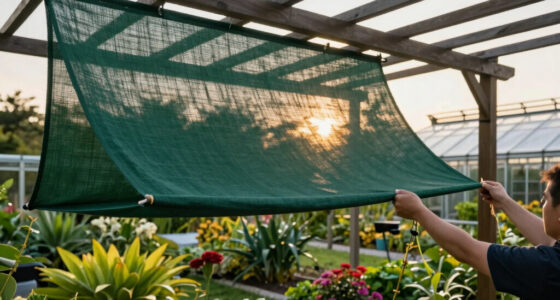
Use 30-50% shade cloth made from UV-resistant, water-wise fabric for effective protection.
Support posts should be at least 6-8 feet high and anchored deep for stability.
Choose durable materials like treated wood or weather-resistant metal for longevity in desert zones.
Regular maintenance—checking supports and replacing worn fabric—extends your structure’s life.
Position the shade to block the sun during peak hours, and consider adjustable shades for flexibility.
Why a Shade Structure Matters for Your Raised Bed
A shade structure isn’t just a fancy add-on; it’s a game-changer in desert gardening. It reduces temperatures by up to 20 degrees during peak heat, slowing evaporation and protecting delicate seedlings.
Picture this: a small, 4-foot by 8-foot bed with a simple shade cloth—plants stay healthier, and you save water. Plus, it creates a cooler workspace, making gardening more comfortable during hot months.
Choosing to shade your raised bed is about giving your plants a fighting chance against the intense sun and heat that defines your zone.
UV-resistant shade cloth for garden
As an affiliate, we earn on qualifying purchases.
As an affiliate, we earn on qualifying purchases.
How to Plan Your Shade Structure in 3 Easy Steps
- Measure your bed and decide how much shade coverage you want—usually a few feet around the edges for maximum protection.
- Choose your support materials—wood, metal, or PVC—based on durability and ease of assembly.
- Pick the shade fabric—aim for 30-50% shade cloth made from UV-resistant, water-wise material.
Once you’ve got your plan, gather your materials and get ready to build a structure that lasts season after season.
As an affiliate, we earn on qualifying purchases.
Choosing the Right Materials for Desert Durability
| Material | Pros | Cons |
|---|---|---|
| Treated Wood | Lasts 5-10 years, easy to work with, natural look | Requires sealing or treatment to resist moisture and pests |
| Metal (Steel or Aluminum) | Very durable, weather-resistant | Heavier, can heat up in sun, needs rust protection |
| PVC Pipes | Lightweight, inexpensive, simple to assemble | Less durable long-term, can crack in extreme heat |
For desert zones, treated wood or UV-resistant metal is best for longevity. PVC is suitable for temporary setups or DIY projects with limited tools.
Always secure supports deep into the ground with anchors or concrete for stability—wind can turn a flimsy frame into a kite in seconds.
water-resistant garden support posts
As an affiliate, we earn on qualifying purchases.
As an affiliate, we earn on qualifying purchases.
Step-by-Step: Building Your Shade Structure Without Fuss
- Mark your support post locations at each corner of the bed. Use a tape measure and a level for precision.
- Dig holes at least 2 feet deep—deeper if you get high winds—and set your posts with concrete or gravel for stability.
- Attach crossbeams or framing material across the supports, creating a sturdy rectangle or square.
- Stretch your shade fabric over the frame, keeping it taut. Use clips or bungee cords for quick adjustments.
- Secure the fabric edges with staples, ties, or clips. Ensure no sagging—tight is right.
This simple process creates a reliable structure that shields your garden and lasts through desert storms.
As an affiliate, we earn on qualifying purchases.
Tips to Keep Your Shade Structure Strong Through the Years
- Check support posts every season—tighten bolts and replace worn fabric as needed.
- Use UV-resistant shade cloth to prevent fading and tearing from intense sun.
- Add guy wires or braces if your area gets high winds—better safe than sorry.
- Position your structure to block the sun during the hottest hours, typically from 10 a.m. to 4 p.m.
- Consider removable or adjustable shades so you can adapt as seasons change or weather varies.
Regular maintenance extends the life of your structure and keeps your garden protected season after season.
Latest Trends: Making Shade Structures Smarter and Greener
Eco-friendly materials are gaining ground—recycled plastics and sustainably harvested wood reduce your footprint.
Adjustable, moveable shades give you control over light exposure, perfect for seasonal shifts or unexpected weather.
DIY kits with pre-cut parts and instructions cut down on time and frustration, making it easier to build sturdy, water-wise covers.
Some gardeners are integrating drip irrigation into the frame, turning their shade structure into a mini oasis that keeps plants hydrated and cool.
Smart, motorized shades that retract with a remote or app are emerging, though they are less common in zone-specific desert setups due to cost.
These innovations help you stay ahead of the heat, while doing right by your garden and the planet.
What Makes a Good Shade Cover? The Key Details
Shade cloth with 30-50% coverage strikes the perfect balance—enough to block heat and UV, but still lets in needed light.
Support posts should be at least 6-8 feet tall—taller if you want more clearance or plan to grow taller plants underneath.
Proper anchoring is everything—secure your posts deep and tight, especially here in windy desert conditions.
UV-resistant, water-friendly fabrics last longer and resist fading, saving you money and hassle over time.
Design your structure to face the sun—east-west orientation minimizes shading of adjacent plants and maximizes efficiency.
Think about mobility—removable or adjustable shades give you the flexibility to adapt as weather and seasons change.
Your Next Step: Build That Shade Structure and Watch Your Garden Thrive
Now that you know the basics, grab your tape measure, support materials, and shade fabric. Keep it simple, sturdy, and water-wise.
Take your time to plan, measure twice, and secure every support. Your plants—and your back—will thank you.
With a little effort, you’ll create a shaded oasis that keeps heat at bay, conserves water, and makes gardening a joy—even in the desert’s fiercest months.
So, what are you waiting for? Your cooler, healthier garden is just a few steps away.
Frequently Asked Questions
What is the best type of shade fabric for a raised bed?
Shade fabrics with 30-50% coverage, made from UV-resistant, water-wise materials, are ideal for vegetable gardens. They block enough sun to keep plants cool without sacrificing vital light.How high should the shade structure be above the raised bed?
Typically, 6 to 8 feet high provides plenty of clearance for airflow and ease of work. Adjust based on your plants’ height and your comfort.Can I build a shade structure without professional tools or skills?
Absolutely. Basic tools like a drill, saw, and screwdriver are enough. Many DIY kits simplify the process, making it doable even for beginners.How do I ensure my shade structure is stable and safe?
Secure supports deep into the ground with concrete or anchors. Add guy wires or braces if high winds are common to prevent tipping or damage.How long does a DIY shade structure typically last?
With proper maintenance, expect 5-10 years of service. Regularly check for wear, tighten supports, and replace fabric as needed to maximize lifespan.Conclusion
A simple shade structure over your raised bed isn’t just a project—it’s a smart, water-wise move to protect your plants and extend your growing season. With some basic tools, sturdy materials, and a little planning, you create a cooler, more productive garden.
Think of your new shade as a mini oasis—an act of kindness to your plants and your peace of mind. Turn up the shade, and watch your garden thrive even under the desert sun.
Halloween Picks
halloween
As an affiliate, we earn on qualifying purchases.