TL;DR

Get garden gear delivered free with Prime
- Fast, free delivery on millions of items
- Prime Video, Amazon Music and more included
- Member-only deals all year
When the heat breaks late, count backward from your local first frost and favor quick crops such as radishes, arugula, and leafy greens. In hot desert beds, prepare and moisten the soil, keep new seedings evenly watered, and protect tender growth if heat or early cold returns. A small planting matched to your local calendar is more dependable than a large September gamble.
A cool evening can arrive just as your September garden plan runs out of runway. You step outside, feel the air soften, and wonder if one more sowing might work. In the desert, that pause between brutal heat and winter cold can make September feel like a second spring, but the calendar alone can fool you.
This guide helps you sort a late planting into three piles: crops with time to mature, crops worth trying as transplants, and crops better saved for another season. You’ll use your local first frost date, account for shorter days, and keep young plants from drying out in warm soil. The goal is a practical harvest, not a bed full of hopeful seedlings that never catch up.
Use your local first frost date and elevation to decide how much growing time remains.
Favor quick crops such as radishes, arugula, lettuce, spinach, and turnips when the window is short.
Use sturdy transplants for slower greens, while allowing time for roots to settle and leaves to grow.
Prepare and moisten the bed before sowing, then keep the seed zone evenly damp through warm spells.
Use row cover or cold frames to buffer light frost, and monitor them for heat buildup on sunny days.
FIELD GUIDE / FALL GARDENING
September Planting Triage When the Heat Breaks Late
A cool evening can feel like a second spring—but the calendar can fool you. Count back from your local first frost, choose crops with enough runway, and keep young plants steady through warm, dry spells.
Three piles for a late planting
Sort each crop by the time left, its growth habit, and what you will actually eat. One September plan will not fit every elevation or yard.
Fast crops
Choose quick-maturing varieties and take young leaves or roots before cold weather slows growth.
Spinach · Turnips
Hardy transplants
Established seedlings can skip the vulnerable germination stage, but still need mild weather to settle roots and grow.
Long runway crops
Slow crops from seed may not mature in time. If little growing time remains, choose something you can harvest as leaves.
Large heads from late seedings
Local conditions decide. A warm valley may have time for a longer crop than a foothill garden. Check your regional planting calendar or local extension service, then adjust for elevation and exposure.
Count backward, then plant
Use the frost date as a deadline. Shorter fall days and cool nights can stretch packet maturity estimates, so leave room for establishment.
Check local frost timing
Use a regional calendar and account for your elevation, exposure, and short-range forecast.
Allow for slower growth
Packet days to maturity assume favorable conditions; fall light and cool nights can add time.
Give roots time to settle
Seedlings need weeks to become sturdy, even when the mature crop can tolerate a light frost.
Plant a small amount
Match the crop and quantity to the remaining window, your space, and household appetite.
Radishes, arugula, lettuce, spinach, and turnips; harvest young if needed.
Kale or chard transplants can be useful when seeds would take too long.
Skip slow crops that need more mild growing time than your garden can offer.
Set up a seedbed that holds moisture
Cooler air does not stop desert soil from drying fast. Help seeds make steady contact with moisture before they go into the ground.
Clear, loosen, water
Remove spent plants, gently loosen the surface, and water dry soil so the seedbed is moist rather than dusty. Aim for a fine, crumbly top layer.
Keep the seed zone damp
Water gently so seeds stay in place. Check the top layer daily during warm spells; it can dry even when the evening feels pleasant.
Watch reflected heat. A west-facing wall can keep baking seedlings after the air cools. Temporary afternoon shade may help during a harsh spell; remove it when conditions moderate. Keep mulch between rows, away from fresh seed lines until seedlings emerge.
Buffer swings in heat and cold
Row cover, cloches, and cold frames can buffer light frost and extend the season. They offer limited protection in a hard freeze, especially without added heat.
Check before watering
If leaves droop and soil is dry, water deeply. If soil is already moist, temporary shade can reduce heat stress while roots settle.
Cover tender growth
Use row cover, a cloche, or a cold frame as a buffer. Secure covers and monitor sunny days for heat buildup.
Keep expectations modest
Season-extension covers have limits. Check the forecast and protect plants according to local conditions.
The dependable harvest formula: local frost date + enough establishment time + a quick crop you enjoy + steady moisture.
Before you sow this September
Use this short list to make a small planting easier to manage as the weather changes.
Find your local first frost date and adjust for elevation and yard exposure.
Choose quick crops and fast-maturing varieties; plan to harvest young if useful.
Prepare and moisten the bed before sowing, then keep the seed zone evenly damp.
Use transplants selectively when a slower crop needs a head start.
Watch shorter days and give fall crops a sunny site where possible.
Plant only what you can use and leave room to adjust if the forecast changes.
Count Back from Your First Frost Before You Sow
September planting triage starts with your local first frost date and the time each crop needs to mature. Find your area’s typical frost timing, check the short-range forecast, and count backward from the date you want to harvest; the same September sowing can succeed at a low desert site and fail at a colder, higher elevation garden.
Seed packets usually list days to maturity under favorable conditions. Fall days are shorter than spring days, and cool nights can slow growth, so treat that number as a guide rather than a promise. If a packet says 30 days for radishes, for example, a late sowing may need longer to size up when daylight fades and the soil cools.
Now add the time needed for establishment. A crop may tolerate a light frost after it grows up, but a fresh seedling has little reserve and may need several weeks of mild weather to become sturdy. If frost is roughly six weeks away, a mature kale transplant might still be worth trying; slow-growing broccoli from seed may not give you enough runway.
Think of the frost date as a garden deadline, not a starting gun. A gardener in a warm valley with a later frost can risk a longer crop than a gardener in a foothill neighborhood. Ask your local extension service or use a regional planting calendar, then adjust for your yard’s elevation and exposure.
Popular right now

Samsung 75-Inch M80H Series Mini LED 4K Smart TV (2026)

Bose QuietComfort True Wireless Earbuds with Active Noise Cancellation, Black

Vitamix Propel Series 750 Professional-Grade Blender, 4 Programs, Black
As an affiliate, we earn on qualifying purchases.
Choose Quick Crops That Can Still Pay You Back
September planting triage favors crops that mature quickly and taste good when harvested young. Radishes, arugula, lettuce, spinach, turnips, and some Asian greens can make a late sowing worthwhile, while fast-maturing varieties give you the best chance of gathering something before cold weather slows growth.
For a small bed, sow a short row of arugula and radishes rather than filling every open inch. You can snip young arugula leaves for a peppery salad, then pull radishes as soon as they reach a useful size. If the weather stays warm, the leaves may grow fast; if it turns cold, you still have a chance to harvest them young.
Match crop and household appetite. A big row of lettuce is poor triage if you rarely eat salad, while a little spinach may be worthwhile if you use handfuls in eggs or soup. Fall crops also grow more slowly under shorter days, so a packet’s stated maturity time can stretch. A sunny spot gives seedlings more of the light they need.
Warm soil can help seeds sprout, but hot, dry conditions can stress tiny seedlings before they establish. Keep the seedbed evenly moist with gentle watering; a brief spell of temporary shade can help if afternoon sun bakes the surface. The aim is steady growth, not a daily cycle of wilting and recovery.
- Good short-window bets: radishes, arugula, lettuce, spinach, and turnips.
- Choose carefully: Asian greens vary in their days to maturity and temperature needs.
- Harvest young: smaller leaves and roots can make a late sowing useful sooner.
Use Transplants When Seeds Need More Time
Transplants can give hardy greens a useful head start when a late seed sowing would leave too little growing time. Kale, chard, broccoli, and similar crops can be worth planting as young starts, but they still need time in mild weather to build roots and leaves before a cold snap.
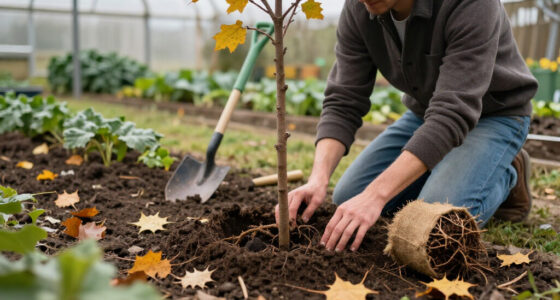
Imagine your garden center has kale seedlings with several true leaves and a sturdy stem. That plant has already passed the slow, vulnerable germination stage, so it may fit a short fall window better than kale seed scattered directly into the bed. A tiny transplant still needs careful watering and time to settle in, though; a head start is not a guarantee of a harvest.
Set transplants into prepared soil and water them in well. During a warm spell, watch the leaves through the afternoon. If they droop while the soil feels dry, water deeply; if the soil is already moist, temporary shade can reduce heat stress while roots settle. Avoid crowding plants just because they look small at planting time.
Choose based on your frost timeline and what you like to eat. Chard may keep giving you leaves over time, while broccoli needs enough favorable growing conditions to form a head. If only a few weeks remain before likely frost, prioritize a crop you can harvest as leaves rather than waiting for a large central head.
Frost tolerance is not a maturity clock. A hardy crop can weather a light frost once established and still need weeks of mild growth before it gives you a useful harvest.
Prepare a Dry Desert Bed Before You Plant
A good late planting starts with a clean, moist seedbed, because cooler air does not stop desert soil from drying quickly. Remove spent plants, loosen the top layer, and water dry ground before you sow; seed needs steady contact with moisture to sprout evenly.
For example, if a summer tomato has finished and left a crusted patch behind, pull it, clear fallen leaves, and gently loosen the surface rather than digging the whole bed into dust. Water the area and let it soak in, then sow a short row of spinach or radishes. A fine, crumbly surface helps tiny seeds settle without leaving them buried too deep.
After sowing, use gentle watering so seeds stay in place. Check the top layer daily during a warm spell; it can turn pale and powdery even when the evening feels pleasant. A thin layer of clean mulch between rows can reduce evaporation, but keep it off newly sown lines until seedlings emerge so light and warmth can reach the soil.
Pay attention to the afternoon side of the bed. A west-facing wall can throw reflected heat onto seedlings long after the air cools. If that spot stays harsh, use a little temporary shade during the hottest hours, then remove it once the weather moderates. The bed should hold moisture without staying soggy.
Protect a Late Harvest from Heat Swings and Frost
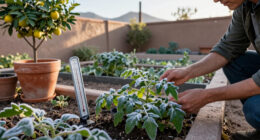
Row cover, cloches, and cold frames can buffer light frosts and help a late crop last longer, but they do not make a hard freeze harmless. Use them as a layer of protection around tender plants, and keep checking conditions because a sunny desert afternoon can heat covered beds quickly.
If the forecast calls for a light frost, a row cover over young lettuce can reduce exposure to cold air. Secure the edges so wind does not lift it, and remove or vent it during warm, bright days. A clear cloche over one transplant may help in a small garden, but it can trap heat if you leave it closed under strong sun.
Cold frames provide more shelter and can extend harvests, especially for leafy crops. Their protection depends on the structure and the weather; without added heat, they offer limited defense in a hard freeze. A cover is a buffer, not a promise. Keep a simple forecast routine so you can harvest mature leaves before a cold night if needed.
Heat can return, too. A newly emerged seedling may wilt under intense afternoon sun even while nights feel cooler. Check the soil before watering, and offer temporary shade during an unexpected hot spell. A small, watchful planting is easier to protect than a whole bed packed with vulnerable starts.
Make a Small Plan You Can Adjust as Weather Changes
A late planting works best when you choose a small amount, track the forecast, and leave room to change course. The phrase “when the heat breaks late” describes a timing problem: relief may arrive after some crops have lost their best window, even though quick greens can still grow.
Try this simple sequence. First, write down your likely frost date and how many weeks remain. Next, compare that span with the seed packet’s days to maturity, adding extra time for shorter days and establishment. Then choose one or two quick crops, prepare only the bed area you can tend, and sow a modest amount.
- Check your local calendar: use a regional planting guide and your elevation, not a generic nationwide schedule.
- Choose by remaining time: favor quick crops or established transplants when the window is short.
- Prepare and water: clear spent plants, loosen the surface, and moisten dry soil.
- Watch and adjust: keep seedbeds evenly moist, shade during heat spikes, and cover or harvest ahead of frost.
This approach prevents the common September mistake of sowing a large bed because one cool morning feels like a fresh season. If your first arugula row thrives, you can sow another. If hot weather returns or seedlings struggle, you have invested a little seed and effort rather than an entire bed.
Some gardeners also plant garlic, bulbs, perennials, or trees in fall, but their suitable timing and methods vary by region and species. Check local guidance before treating those projects like vegetable sowings. A well-timed small planting can make September feel like a second spring; a rushed large one can leave you watering bare soil.
Frequently Asked Questions
What can I still plant in September in a desert garden?
Start with quick crops such as radishes, arugula, lettuce, spinach, turnips, and suitable Asian greens. Check a regional planting calendar and your local frost date, since elevation and exposure can change how much growing time you have.
Is September too late to start vegetables from seed?
Not always. Fast-maturing crops can still be worth sowing if they have enough time to grow before frost, but shorter days may slow them down. A small row of radishes or arugula is a sensible trial when the season is uncertain.
How many weeks before frost does a crop need?
There is no single number for every crop. Use the packet’s days to maturity as a starting point, then allow extra time for establishment and slower fall growth. A frost-tolerant mature plant may still need several mild weeks to reach harvest size.
Should I use seeds or transplants for a late planting?
Seeds suit quick crops that mature in a short window; transplants can give slower greens such as kale, chard, or broccoli a head start. Transplants still need time to settle roots, so compare their needs with your frost timeline before planting.
Can row cover keep vegetables safe through a freeze?
Row cover, cloches, and cold frames can buffer light frost and extend the harvest, but they offer limited protection in a hard freeze, especially without added heat. Remove or vent covers on warm sunny days so covered plants do not overheat.
Conclusion
When a late heat break tempts you to plant everything, pause and count backward from your local frost date. Put in a modest sowing of quick crops, or choose sturdy transplants if they have time to settle in, then keep the soil moist and watch the forecast.
Your best September harvest may be a small bowl of peppery arugula picked before the first cold night. Give that little row a fair chance, and let the weather decide what comes next.