
TL;DR
A November 26 guide recommends tomato varieties by how gardeners plan to eat and grow them: ‘Sungold’ for fruity cherry tomatoes, ‘Matt’s Wild Cherry’ for tiny, intense fruit, ‘Black Cherry’ for a darker, balanced flavor and ‘Cherokee Purple’ for slicing. It also advises checking mature plant size for containers and comparing fully ripe fruit, since variety, growing conditions, acidity and aroma all shape taste.
A November 26, 2026, gardening guide from Grow Organic recommends tomato varieties for different uses, from eating small fruit off the vine to slicing tomatoes for sandwiches, and advises patio growers to check a plant’s mature size before buying. The guide highlights ‘Sungold,’ ‘Matt’s Wild Cherry,’ ‘Black Cherry’ and ‘Cherokee Purple’, while noting that ripeness and growing conditions affect flavor alongside variety.

Get garden gear delivered free with Prime
- Fast, free delivery on millions of items
- Prime Video, Amazon Music and more included
- Member-only deals all year
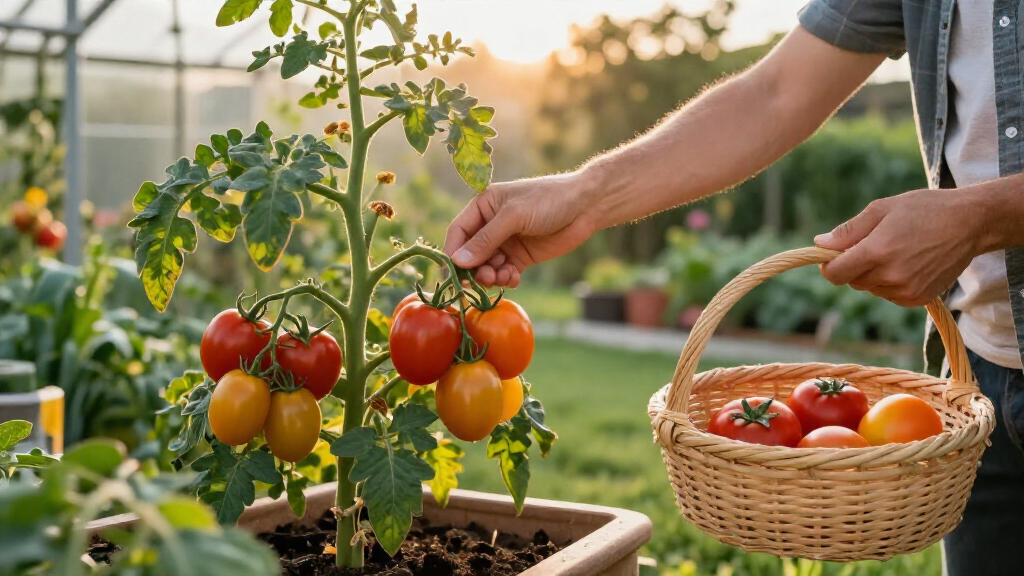
For a fruity cherry tomato, the Grow Organic guide points to ‘Sungold,’ which produces small orange fruit. It describes the variety as a vigorous, indeterminate vine that needs tall support. The guide notes that seed packets may spell the cultivar name “Sungold” or “Sun Gold” and advises checking the packet for the cultivar and supplier.
The guide describes ‘Matt’s Wild Cherry’ as producing tiny red fruit with concentrated tomato flavor, and says its spreading vine needs room and support. It characterizes ‘Black Cherry’ as having purple-brown fruit and a fuller, more balanced flavor than the candy-sweet profile associated with some cherry tomatoes; it also says the plant needs sturdy support.
For sandwiches and salads, the guide presents ‘Cherokee Purple’ as a larger slicer with a balance of sweetness and acidity. For a patio, it advises looking for a compact or dwarf cherry variety and using the seed packet’s mature dimensions to judge whether the plant fits a pot or balcony. The guide cautions that fruit size alone does not indicate mature plant size.
Choose tomatoes by taste and growing space
A November 26 guide matches varieties to cherry snacking, slicing and patio growing. Flavor also depends on ripeness and growing conditions.
Match the variety to the use
The guide highlights distinct flavor and growth profiles.
‘Sungold’
Small orange fruit on a vigorous vine that needs tall support.
‘Matt’s Wild Cherry’
Tiny red fruit with concentrated tomato flavor; its spreading vine needs room.
‘Black Cherry’
Purple-brown fruit with a fuller, balanced flavor and a need for sturdy support.
‘Cherokee Purple’
A larger tomato for sandwiches and salads, balancing sweetness and acidity.
Choose for your space
Fruit size does not tell you how large the mature plant will grow.
Read the seed packet before choosing a pot or balcony plant.
A compact or dwarf cherry variety may suit patio containers.
Tall or spreading vines need space and support in place early.
Compare flavor fairly
Variety, ripeness and growing conditions all shape how tomatoes taste.
- Sample fully colored, ripe fruit from the same harvest.
- Taste varieties side by side; consider sweetness, acidity and aroma.
- Brix measures soluble solids, not the whole flavor experience.
- The guide gives flavor descriptions, not a controlled sweetness ranking.
Grow for healthy flavor
Consistent care supports a fair comparison when fruit ripens.
- Choose a sunny site.
- Water consistently and support tall varieties early.
- Do not deliberately stress plants to try to increase sweetness.
Choosing Tomatoes by Garden Space
The Grow Organic guide ties variety selection to both how the fruit will be eaten and the space available to grow it. Its descriptions indicate that a tall, vigorous cherry tomato may suit a garden with room for support but prove difficult on a small balcony, while a compact plant may be a more practical container choice. Checking mature dimensions before purchase can help gardeners avoid choosing a plant based only on fruit size.
On flavor, the guide cautions against treating “sweetest” as a simple ranking. It says sweetness, acidity and aroma contribute to how a tomato tastes. It suggests sampling ripe fruit side by side to compare those qualities, rather than relying on one measure or a variety description alone.
Popular right now

De'Longhi Classic Signature Espresso Machine with Adjustable Milk Frother

Ninja Crispi Microwave and Air Fryer with FusionCrisp, Silver, MW101

Ninja Foodi 8-Qt DualZone 6-in-1 Air Fryer, Grey (DZ201)
As an affiliate, we earn on qualifying purchases.
How Variety and Ripeness Shape Flavor
The November 26 Grow Organic guide identifies variety, ripeness and growing conditions as factors in tomato flavor. It says a refractometer can measure soluble solids in degrees Brix and help compare fruit sampled under similar conditions. The guide notes that a Brix reading does not capture acidity or aroma and cannot by itself determine which tomato a person will enjoy most.
For a fair taste comparison, the guide recommends using fully colored, ripe fruit from the same harvest. It also advises choosing a sunny site, putting support in place early for tall varieties and watering consistently. The guide cautions against deliberately stressing plants in an attempt to increase sweetness.
What Flavor Comparisons Cannot Show
The Grow Organic guide provides descriptive flavor expectations, not results from a controlled taste test or a measured sweetness ranking. It does not report Brix readings for the named varieties, specify how their flavor descriptions were assessed, or establish that one variety will taste sweeter under every growing condition.
Seed availability and packet details can vary. The guide directs readers to a seed collection to compare varieties and current packet availability, but does not provide a fixed inventory or guarantee that each named tomato is available. Gardeners should check the packet for the exact cultivar and mature plant dimensions before purchasing.
Check Packets Before Planting
Gardeners can use the November 26 Grow Organic guide’s variety descriptions to narrow their choices, then check current seed listings and packet information for availability, cultivar spelling and mature dimensions. Those details are particularly relevant for patio containers and for vigorous or spreading vines that need adequate space and support.
For growing and tasting, the guide recommends steady watering, a sunny location and early support where needed. It suggests that gardeners taste varieties side by side when fruit ripens, noting sweetness, acidity and texture rather than relying on a single measurement. The guide does not give a specific planting calendar, so local growing conditions and packet instructions remain relevant.
Source: Grow Organic, “Sweetest Tomatoes: Sweetest Tomato Variety Guide & Tips (2026)”
Key Questions
Which tomato does the guide recommend for a fruity cherry flavor?
The Grow Organic guide recommends ‘Sungold’, which it describes as producing small orange fruit on a vigorous, indeterminate vine that needs tall support.
Which variety is suggested for sandwiches?
The guide presents ‘Cherokee Purple’ as a large slicer for sandwiches and salads, with a flavor that balances sweetness and acidity.
How should I choose a tomato for a patio pot?
The guide advises looking for a compact or dwarf cherry variety and checking the seed packet’s mature dimensions. A small fruit does not necessarily mean a small plant.
Does a higher Brix reading mean a tomato will taste sweeter to everyone?
Not necessarily. As the guide explains, a refractometer measures soluble solids, but acidity and aroma also affect flavor. It recommends tasting fully ripe fruit side by side rather than relying on Brix alone.
What growing practices does the guide recommend for good flavor?
The guide advises a sunny site, consistent watering and early support for tall varieties. It cautions against deliberately stressing plants to try to raise sweetness.
Source: groworganic.com