TL;DR

Get garden gear delivered free with Prime
- Fast, free delivery on millions of items
- Prime Video, Amazon Music and more included
- Member-only deals all year
In Arizona, September and October are prime months for planting cool-season vegetables, herbs, and flowers. Timing, soil prep, and native plants matter. Your fall garden can flourish with a little planning.
Plant cool-season vegetables like lettuce, broccoli, and carrots early in September for a fall harvest.
Prepare your beds with compost and proper drainage before planting for healthier growth.
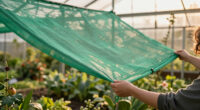
Know your local frost date and protect sensitive plants with row covers or frost cloths.
Choose native and drought-tolerant plants for sustainable, water-wise fall gardens.
Use deep, infrequent watering to keep your plants healthy without wasting water.
What Are the Best Vegetables to Plant in Fall in Arizona?
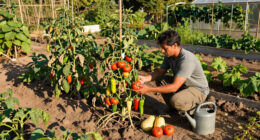
Cool-season vegetables like lettuce, spinach, broccoli, and carrots love Arizona’s fall weather. They grow quickly and taste sweeter after some chill. For example, a friend planted crisp romaine and tender radishes in late September, harvesting before the first frost. The key is timing: plant in early September for a late October harvest or wait until late October for a November crop.
According to Gardener AZ, vegetables like cauliflower and peas are also good bets, but they need a little extra attention to soil and watering. Keep your soil loose, rich in compost, and water consistently, especially during warm spells. This is crucial because fall temperatures can fluctuate, and inconsistent watering can stress plants, making them more vulnerable to pests and disease. Additionally, understanding the specific needs of each crop—such as peas needing support structures or carrots requiring loose, sandy soil—can significantly influence your success and harvest quality. The goal is to create an environment where roots can develop freely and plants can withstand the cooler nights without stress, ensuring a bountiful and flavorful fall harvest.
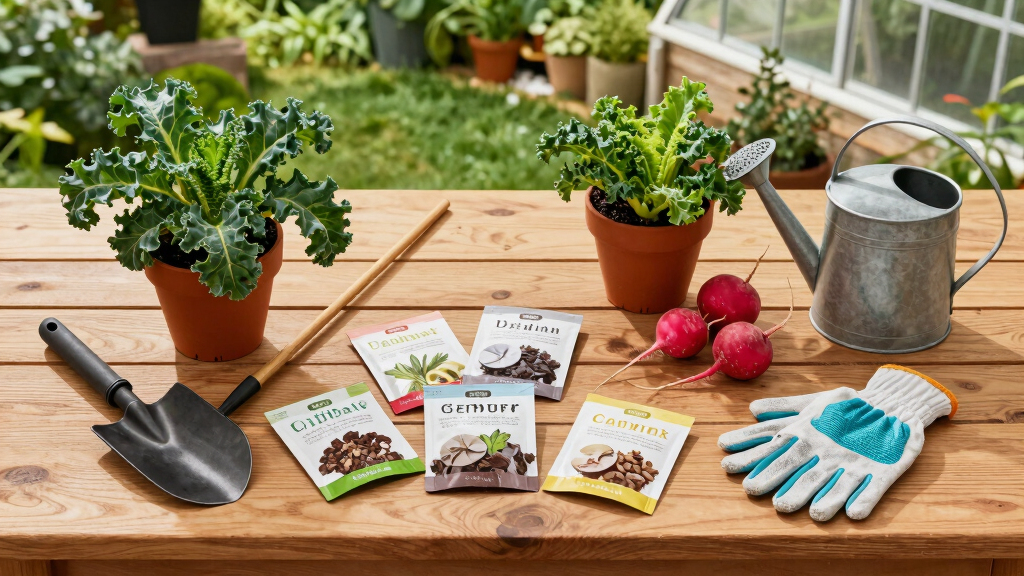
Arizona fall garden vegetable seeds
As an affiliate, we earn on qualifying purchases.
As an affiliate, we earn on qualifying purchases.
How to Prepare Your Garden Beds for Fall Planting
- Clear out summer debris and weeds—leaving space for new plants, which reduces pests and disease carryover.
- Add a layer of compost or organic matter to boost soil fertility, which is vital because many Arizona soils are low in nutrients and can become compacted over summer. Rich soil supports healthy root growth, improves water retention, and enhances plant resilience.
- Check drainage—Arizona soils often drain fast, but compacted spots need aeration. Proper drainage prevents root rot and fungal diseases, especially as fall rains can be unpredictable. Incorporate organic matter or sand if necessary to improve permeability.
- Level beds and make planting rows or patches based on what you’re growing. Proper leveling ensures even watering and root development, while strategic placement maximizes space and sunlight exposure.
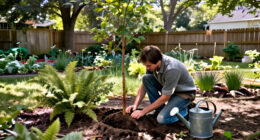
In a typical September, I loosen the soil, mix in compost, and water deeply. When planting, make sure your beds are well-drained yet moist enough to kick-start root growth. Good preparation means fewer pests and healthier plants. Remember, the goal is to create a balanced environment—neither too soggy nor too dry—that supports vigorous growth and reduces stress for your plants, leading to stronger, more productive crops.
As an affiliate, we earn on qualifying purchases.
When Is the First Frost, and How Does It Affect Your Planting Schedule?
In many parts of Arizona, the first frost arrives as early as late October, sometimes in November. Knowing your local frost date helps you time your planting so crops aren’t damaged. For example, in Phoenix, expect frost after Halloween, but in higher elevations, it could come sooner. Recognizing this variation is essential because planting too early in frost-prone areas can lead to crop loss, while waiting too long might shorten your growing window.
Gardener AZ recommends planting cold-tolerant crops at least 4-6 weeks before the expected frost. This window allows plants to establish roots and mature enough to withstand the cold. Using frost cloths or row covers can extend your growing window and protect sensitive plants on chilly nights. This is particularly important for crops like lettuce and spinach, which are more vulnerable to frost damage. Planning around frost dates ensures you maximize your harvest while minimizing the risk of crop failure due to unexpected cold snaps. It also helps you make informed decisions about which plants to start indoors or under cover if your local frost date is imminent.
drought-tolerant native plants for fall
As an affiliate, we earn on qualifying purchases.
As an affiliate, we earn on qualifying purchases.
Which Flowers Should You Plant for Early Winter Blooms?
Thinking about color and cheer? Pansies, violas, and snapdragons thrive in Arizona’s fall and bloom through winter. Plant them in September and October for a splash of color even when the desert turns cold. These flowers are not only hardy but also capable of withstanding the cooler nights, which can be a challenge for more tender annuals. Their early blooms can brighten your garden during the grey months and provide vital nectar for pollinators that are still active.
For example, a homeowner in Tucson planted pansies along their porch in early October. They enjoyed bright purple and yellow blooms well into January. These hardy annuals handle the cool nights and add life to your garden beds. Choosing the right varieties—like hardy pansies or violas—can extend your color display and reduce the need for replanting later in the season. The timing of planting is crucial; planting too late might mean missing the full bloom period, while planting too early could expose young plants to unexpected cold damage. Proper selection and timing ensure your garden remains vibrant through the winter months.
garden soil compost and organic matter
As an affiliate, we earn on qualifying purchases.
As an affiliate, we earn on qualifying purchases.
How Often Should You Water in Fall? Tips for Water-Wise Gardening
Arizona’s fall isn’t rain-free, but watering remains critical. As temperatures drop, you can cut back, but don’t let your new plants dry out. Typically, watering once or twice a week is enough, depending on your soil and weather. Deep, infrequent watering encourages strong root growth, which is essential for plants to withstand cooler nights and occasional cold snaps. Overwatering, however, can lead to root rot and attract pests, so understanding your soil’s drainage capacity is key.
For instance, I water deeply every 5-7 days during September, adjusting if we get rain. Using a soaker hose or drip emitters helps target roots directly, reducing water waste and minimizing evaporation. This method also prevents fungal issues common in humid or poorly drained soils. Remember, early fall watering strategies should be tailored to your specific microclimate—if you experience unseasonal rains or cooler nights, adjust accordingly. The goal is to maintain consistent moisture without creating soggy conditions that invite disease, supporting healthy, resilient plants throughout the season.
Native and Drought-Tolerant Plants Perfect for Fall
Arizona’s native plants shine in fall. They’re built to handle our climate and need less water. Think desert marigolds, penstemons, or Mexican primroses. Planting native species in September or October gives them a head start before winter’s cold snap. These plants have evolved to survive extreme conditions, so they often require less fertilizer, fewer pests, and minimal watering once established. Their resilience means less maintenance and a more sustainable garden.
For example, a gardener added desert marigolds near their front porch in early fall. By December, those bright yellow blooms drew hummingbirds and butterflies—proof native plants can be both beautiful and sustainable. Incorporating natives also supports local ecosystems, providing habitat and food for native pollinators. Choosing the right species for your microclimate—whether it’s a shaded corner or a sunny hillside—maximizes their success and your garden’s overall health. Native plants can be a cornerstone of a water-wise, low-maintenance fall garden that endures through winter and beyond.
Common Pests to Watch For and How to Keep Them Away
Fall pests like aphids, slugs, and spider mites can attack your new plants. Keep a close eye and act early. Applying organic neem oil or insecticidal soap can keep pests at bay without harming beneficial insects. Regular inspection is key, as early intervention prevents infestations from spreading and causing damage. Understanding the pests’ life cycles helps you time treatments effectively and choose environmentally friendly controls.
For example, I noticed aphids on my broccoli in late September. A quick spray with neem oil knocked them out before they spread. Always wear gloves and follow label instructions. Additionally, encouraging natural predators like ladybugs and lacewings can provide ongoing pest control, reducing the need for chemical interventions. The tradeoff is balancing pest management with maintaining a healthy ecosystem—overuse of chemicals can harm beneficial insects that naturally keep pest populations in check. An integrated approach—cultural, biological, and organic controls—will give your fall garden the best chance of thriving without pests taking over.
How to Extend Your Growing Season into Winter
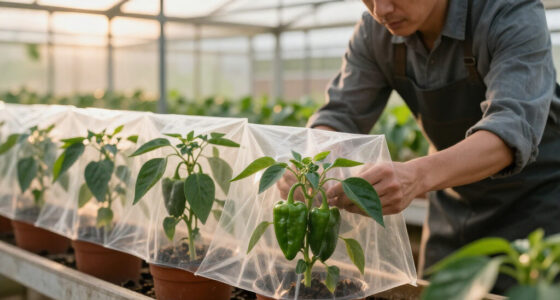
Want fresh greens in January? Use row covers, cold frames, or small hoop houses. These protect plants from frost and trap heat, giving you extra weeks of harvest. By creating a microclimate, you can extend your growing season significantly, allowing cold-sensitive crops to mature and produce even in the depths of winter. This is especially beneficial if you want to harvest fresh salads or herbs during the colder months, reducing reliance on store-bought produce.
Last year, I covered lettuce and spinach with a simple plastic sheet in late November. They kept growing through December, providing fresh salads when markets were empty. The tradeoff is the extra effort and initial cost, but the benefits include a longer harvest window and increased resilience against unexpected cold snaps. Investing in these protective structures can turn your fall garden into a winter food source, making the most of Arizona’s mild winter climate and your gardening efforts.
Frequently Asked Questions
What vegetables are most reliable for fall in Arizona?
Lettuce, spinach, broccoli, carrots, radishes, and peas tend to do well in Arizona’s fall. They grow quickly and handle the cooler nights, giving you fresh harvests before the first frost arrives.When should I plant my fall flowers for winter blooms?
Plant pansies, violas, and snapdragons in early to mid-September. They’ll settle in and bloom through winter, adding color when most plants have slowed down.How do I protect my plants from unexpected frosts?
Use frost cloths, row covers, or even old blankets overnight if frost is forecast. For tender plants, covering can extend your growing window by several weeks.Can I still plant herbs in fall?
Yes, herbs like cilantro, parsley, and chives thrive in fall’s cooler weather. Plant in September or October for a fresh supply into winter.How often should I water my fall garden in Arizona?
Deep watering once every 5-7 days usually suffices, but adjust based on rainfall and soil moisture. Morning is best to prevent fungal issues.Conclusion
Your Arizona fall garden is a fleeting window to grow hearty veggies, vibrant flowers, and resilient natives. With a little planning, you can enjoy a lush, colorful landscape that withstands winter’s chill. Remember, timing is everything—plant early, prepare well, and protect your crop. Before you know it, your yard will burst with life, even as the desert cools around you.
So grab your trowel, check your frost dates, and start planting. Your best fall garden ever is just a few weeks away. Happy gardening!
Columbus Day / Indigenous Peoples' Day Picks
long weekend sales
As an affiliate, we earn on qualifying purchases.