TL;DR
Listen free for 30 days with Audible
Thousands of audiobooks and originals — cancel anytime.
Start your free trialAs an affiliate, we earn on qualifying purchases.
Certain flowering shrubs naturally tolerate reflected heat from surfaces like walls and gravel. Picking resilient varieties like Bougainvillea or Crape Myrtle, and using smart landscape strategies, helps your garden stay colorful and healthy despite intense heat bounce-back.
Heat reflected from walls and gravel can turn your garden into a furnace. Yet, some flowering shrubs shrug off this intense heat, standing tall and blooming vibrant despite the sizzling surroundings.
If you’ve ever watched a garden struggle on the sunny side of a wall or felt your gravel driveway radiate heat into your plants, you know the challenge. The good news? You can create a lush, colorful landscape by choosing the right plants and tweaking your design.
In this guide, you’ll learn which flowering shrubs excel in hot, reflective spots, how they resist the heat bounce-back, and simple tips to keep your garden thriving. Let’s turn that heat into an ally rather than an enemy.
Select native or drought-tolerant flowering shrubs like Bougainvillea and Crape Myrtle for high resilience.
Use light-colored or reflective ground covers and walls to reduce heat bounce-back.
Incorporate strategic shade during peak hours to protect sensitive plants.
Improve soil drainage and mulch deeply to keep roots cool and moist.
Design with microclimates in mind—layer plants and surfaces to create cooler pockets.
Flowering Shrubs That Shrug Off Reflected Heat
Walls, concrete, and gravel can turn a planting bed into a furnace. The right shrubs answer with tough foliage, deeper roots, and vivid flowers—bringing lasting color to the hottest corners of the landscape.
Anatomy of a heat survivor
Reflective heat raises leaf and soil temperatures while accelerating moisture loss. Resilient shrubs counter those pressures through a compact toolkit of physical adaptations.
Waxy leaves
Thick surfaces limit water loss and reflect a portion of intense sunlight before it becomes damaging heat.
Deep reach
Established roots access cooler, more consistently moist soil below the overheated surface layer.
Silver tones
Pale or silvery foliage reflects solar energy and helps keep leaf temperature under control.
Tough tissue
Resilient bark, narrow leaves, and flexible stems dissipate heat and withstand dry, exposed conditions.
Five shrubs for furnace-like beds
Match each plant to your climate, drainage, mature space, and local growing guidance. Heat tolerance does not replace proper establishment care.
Bougainvillea
Bougainvillea spp.Papery violet, pink, or orange bracts pair with waxy leaves and exceptional tolerance for hot, sunny walls.
Crape Myrtle
Lagerstroemia spp.Colorful summer flowers, heat-dissipating foliage, and deeper roots make this a strong performer in exposed sites.
Lavender
Lavandula spp.Silvery narrow leaves, fragrant flower spikes, and an appetite for lean soil make lavender a gravel-garden natural.
Rose of Sharon
Hibiscus syriacusLarge trumpet-shaped flowers keep appearing through summer heat. In the fiercest sites, afternoon shade can reduce leaf scorch.
Abelia
Abelia spp.Small leathery leaves conserve moisture while clusters of fragrant flowers provide a long season of interest in sun or partial shade.
Compare before you plant
The strongest choice is the one whose heat response, moisture needs, and preferred exposure align with the actual microclimate.
| Shrub | Reflected heat | Drought tolerance | Drainage priority | Afternoon shade | Signature strength |
|---|---|---|---|---|---|
| Bougainvillea | ✓ Excellent | ✓ High | ✓ Essential | ✗ Usually not | Hot-wall performance |
| Crape Myrtle | ✓ Excellent | ✓ High | ~ Moderate | ✗ Usually not | Summer flower display |
| Lavender | ✓ Excellent | ✓ High | ✓ Essential | ✗ Usually not | Silver aromatic foliage |
| Rose of Sharon | ~ Strong | ~ Moderate | ~ Moderate | ~ Helpful | Large trumpet blooms |
| Abelia | ~ Strong | ✓ High | ~ Moderate | ~ Helpful | Long, fragrant season |
Support the plant from surface to root
Even tough shrubs perform better when the surrounding landscape reduces thermal stress and encourages deep, healthy roots.
Lighten surfaces
Choose pale gravel, reflective ground covers, or lighter wall finishes to limit heat absorption.
Filter peak sun
Use taller plants, pergolas, or shade cloth where late-afternoon exposure becomes excessive.
Build drainage
Improve soil structure so drought-adapted roots never remain trapped in saturated ground.
Water deeply
Apply water less often but more thoroughly to draw roots below the hottest soil layer.
Insulate roots
Add a generous mulch layer while keeping material clear of stems and crowns.
Material choice reshapes the microclimate
Dark, dense surfaces absorb solar energy and release it around nearby plants. Pale materials and shade interrupt that cycle.
Design the cooling effect
Plant resilience works best as a connected system: each landscape decision influences the next.
+ right place
Layer plants, preserve airflow, soften west-facing exposure, and keep reflective surfaces from crowding the root zone. Local climate suitability and mature plant size remain essential.
Why Some Shrubs Handle Reflective Heat Like a Champ
Reflective heat is simply sunlight bouncing off surfaces like walls or gravel, creating a mini desert in your yard. Certain shrubs have evolved to withstand these scorching conditions.
For example, Bougainvillea’s thick, leathery leaves and deep roots help it thrive where others wilt. Similarly, Crape Myrtle’s bark and leaf structure reflect and dissipate heat, keeping it cool under the sun.
Understanding this resilience helps you pick plants that won’t just survive but flourish in high-heat spots. Think of these shrubs as desert warriors—tough, adaptable, and vibrant. Recognizing why some plants are naturally resistant guides you in making smarter choices; it’s about understanding their physical traits and adaptations. For instance, thick, waxy leaves reduce water loss and reflect sunlight, while deep roots tap into cooler soil layers, shielding them from surface heat. This knowledge allows you to select plants that not only endure the heat but also maintain their health and vibrancy, reducing the need for constant intervention or water. The tradeoff is that these plants often require specific soil conditions or minimal pruning, but the payoff is a resilient, low-maintenance garden that withstands the toughest environments.
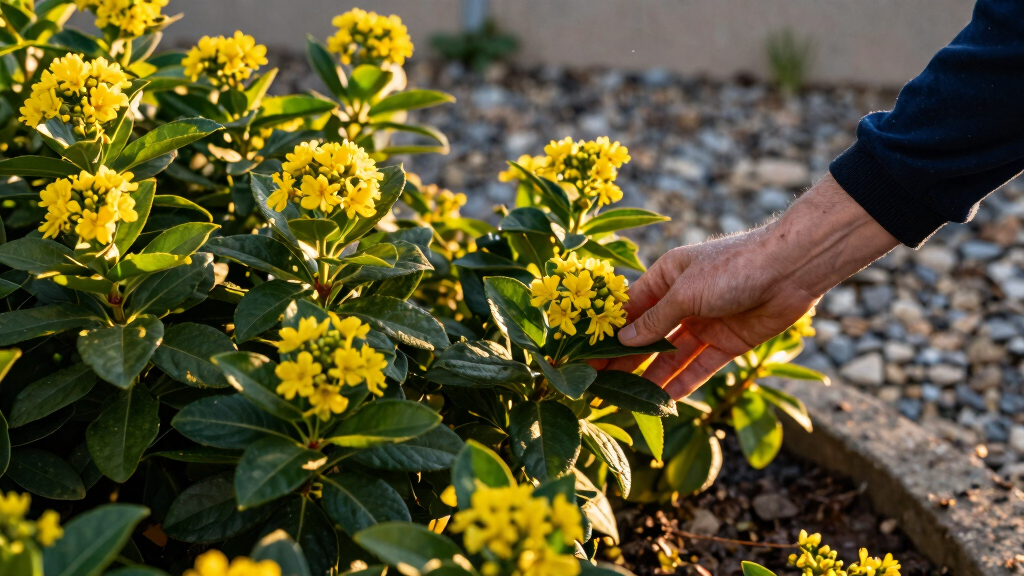
Bougainvillea flowering shrub plant
As an affiliate, we earn on qualifying purchases.
As an affiliate, we earn on qualifying purchases.
Top 5 Flowering Shrubs That Laugh Off Walls and Gravel
Here’s a list of five flowering shrubs that stand tall despite the heat bounce-back from walls and gravel:
- Bougainvillea: Bright, papery bracts in violet, pink, or orange. Handles surface temperatures over 130°F with ease. Its resilience is due to thick, waxy leaves that reflect sunlight and minimize water loss, crucial in hot environments. This makes it a top choice for reflective surfaces but also means it needs well-draining soil to prevent root rot in its drought-tolerant nature.
- Crape Myrtle: Summer showstopper with colorful blooms. Drought-tolerant and loves hot, sunny spots. Its bark and leaf structure help dissipate heat, while deep roots access cooler soil, making it highly adaptable. However, overwatering can weaken its resilience, so understanding its water needs is key.
- Lavender: Aromatic, purple flower spikes that thrive in full sun and poor soils. Its silvery, narrow leaves reflect sunlight and reduce leaf temperature, allowing it to survive in intense heat. Its deep-rooted nature also helps it access moist soil during droughts, but overwatering can lead to root rot, so balance is essential.
- Hibiscus (Rose of Sharon): Large, trumpet-shaped flowers that bloom in the heat, even with reflected rays bouncing around. Its large leaves and flexible stems help dissipate heat, and its ability to tolerate dry conditions makes it suitable for reflective environments. However, it benefits from some shading during peak heat to prevent leaf scorch.
- Abelia: Evergreen with clusters of small, fragrant flowers. Excellent for semi-shaded or sunny spots that get reflected heat. Its small, leathery leaves reflect sunlight and conserve moisture, but in extremely hot environments, some afternoon shade can extend its flowering period and health.
Each of these plants has been tested in tough environments and proven to stand strong, offering vibrant color without fussing over the heat. Their physical traits—like reflective leaves, deep roots, and tough bark—are vital for their success. Choosing these shrubs means embracing their natural adaptations, but also understanding their needs ensures they thrive instead of just survive.
Crape Myrtle drought tolerant shrub
As an affiliate, we earn on qualifying purchases.
As an affiliate, we earn on qualifying purchases.
How to Protect and Support Your Shrubs in Hot, Reflective Spots
Even the toughest shrubs benefit from some strategic care. Here’s a step-by-step plan:
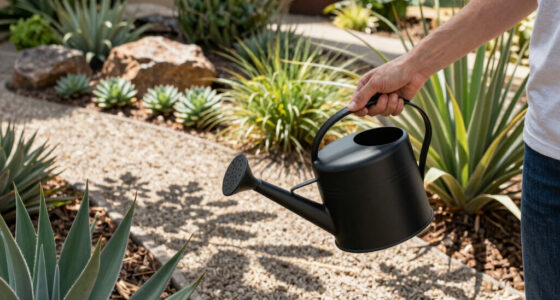
- Use reflective mulches: Light-colored gravel or reflective ground covers reduce heat bounce-back from the ground level. This minimizes surface temperatures and keeps roots cooler, which is critical since high surface temperatures can lead to stress and leaf scorch.
- Provide partial shade: Install shade cloths or plant nearby taller plants or structures during peak heat hours. This creates a microclimate that reduces the stress on your shrubs and extends their blooming period.
- Improve soil drainage: Well-draining soil prevents root rot in hot, dry conditions. Add organic matter or coarse gravel to increase porosity, ensuring roots don’t sit in water, which is especially important for drought-tolerant plants that prefer dry roots.
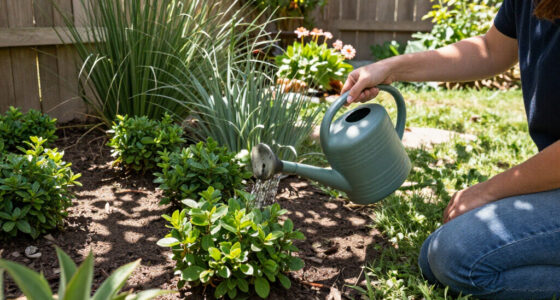
- Water wisely: Deep, infrequent watering encourages deep roots, making plants more resilient to drought and reflected heat. This practice also reduces surface evaporation, maintaining soil moisture longer.
- Mulch generously: Organic mulches keep roots cool and retain soil moisture. Mulching also prevents soil surface temperature spikes, which can harm roots and reduce plant vigor. For example, a layer of light-colored mulch can reflect some heat while insulating roots from extreme temperatures.
For example, placing a layer of light-colored gravel around Bougainvillea can cut surface temperatures by up to 15°F, helping it stay healthier through the hottest days. Additionally, strategic placement of shade structures can create cooler microclimates, reducing overall stress on your plants. These simple, thoughtful steps turn a challenging, heat-reflecting spot into a thriving oasis where plants can flourish despite the heat bounce-back.
reflective heat resistant garden plants
As an affiliate, we earn on qualifying purchases.
As an affiliate, we earn on qualifying purchases.
Concrete and Gravel: How They Make Your Garden Hotter — And What to Do About It
Concrete walls and gravel surfaces are like giant heat reflectors, often raising surface temperatures by 20-30°F during peak afternoon hours. This can create a blistering microclimate that stresses even hardy plants.
But don’t despair. You can mitigate this heat by using light-colored or reflective materials, creating shade, and selecting plants with high heat tolerance. For instance, a whitewashed wall or a gravel bed with reflective stones can cut heat intensity significantly.
In one yard, switching from dark gray gravel to pale limestone reduced the ground temperature by nearly 20°F, giving plants a cooler root zone and extending their blooming period. This demonstrates that surface material choices are crucial; lighter, reflective surfaces bounce less heat and help maintain a more moderate microclimate. Additionally, incorporating shade elements like pergolas or tall planting can block direct rays and prevent surface temperatures from skyrocketing. Managing these surfaces means creating a more comfortable environment for your plants and reducing stress caused by reflected heat.
Remember: managing surface reflectivity is key to making your garden more comfortable for both plants and you.
heat tolerant flowering shrubs for hot climates
As an affiliate, we earn on qualifying purchases.
As an affiliate, we earn on qualifying purchases.
Design Tips for a Cooler, Flower-Filled Microclimate
Transform your garden into a heat-resilient paradise with these design tricks:
- Pick the right spot: Place flowering shrubs where they get morning sun and afternoon shade. This reduces the intensity of reflected heat exposure during the hottest parts of the day, allowing plants to photosynthesize without excessive stress.
- Use light-colored surfaces: Gravel, walls, and ground covers in whites, creams, or light pastels reflect less heat and help keep microclimates cooler. This strategic choice minimizes the heat load on your plants, prolonging flowering and vitality.
- Layer with taller plants: Taller shrubs or small trees cast shade on smaller, more vulnerable plants, creating a layered microclimate that buffers heat and retains moisture. This natural shading reduces leaf scorch and soil evaporation.
- Add shade structures: Pergolas, shade sails, or even a tall potted plant can provide relief during the hottest hours, reducing surface temperatures and protecting delicate blooms.
- Incorporate reflective mulches: Use light-colored rocks or reflective ground covers around plants. Reflective mulches bounce some heat away from delicate roots and help maintain a stable, cooler soil temperature.
A small example: planting a Crape Myrtle against a light-colored wall with a shade cloth during peak summer can keep surface temperatures 10-15°F lower, letting your flowers bloom longer. These design choices work together to create a microclimate that resists heat stress and supports vibrant, prolonged flowering.
Frequently Asked Questions
Which flowering shrubs are best for hot, reflective environments?
Plants like Bougainvillea, Crape Myrtle, Lavender, Hibiscus, and Abelia handle high temperatures and reflected heat well. They’re tough, colorful, and require minimal fuss.
How can I protect my shrubs from reflected heat?
Use light-colored mulches, provide partial shade during the hottest part of the day, and choose heat-tolerant varieties. Strategic placement and shading make a big difference.
Are native plants better suited for hot, reflective walls and gravel areas?
Yes, native plants have evolved to handle local conditions, including reflected heat and drought. They often require less water and care, making them ideal for tough spots.
What soil and watering practices help these shrubs thrive?
Use well-draining soil, water deeply but infrequently, and mulch generously. These steps encourage deep roots and help plants withstand heat stress.
Can I grow flowering shrubs in containers in hot, reflective spots?
Absolutely. Use containers with good drainage, keep soil moist but not soggy, and provide shade during peak heat hours to protect roots and prolong flowering.
Conclusion
Turning reflective heat into an advantage starts with choosing the right plants and smart design. When you match resilient shrubs with thoughtful landscape tweaks, your garden can stay colorful and cool even under relentless sun.
Next time you see a blazing wall or gravel patch, remember: with a little planning, you’re turning that heat into a thriving, vibrant landscape — not a barren, stressed-out one.
Pool season Picks
robotic pool cleaners
As an affiliate, we earn on qualifying purchases.