TL;DR

Get garden gear delivered free with Prime
- Fast, free delivery on millions of items
- Prime Video, Amazon Music and more included
- Member-only deals all year
Filters and pressure regulators are critical parts many desert drip systems overlook. Proper use prevents clogging, ensures even watering, and saves money on repairs. Recent tech makes these components more reliable and easier to maintain.
Think your desert drip system is set up and ready to go? Think again. The biggest water-wasters and clog nightmares often come from skipping two simple parts: filters and pressure regulators. Ignore these, and you’re inviting clogging, uneven watering, and costly repairs.
Many irrigation setups cut corners here, either to save a few bucks or out of ignorance. But in the arid, dust-laden environment of the desert, these tiny components make a giant difference. This article breaks down why you can’t afford to skip them and how recent tech upgrades make their use easier and more effective.
Installing high-quality filters can reduce emitter clogging by up to 80%, especially in dusty desert soils.
Pressure regulators prevent damage and uneven watering caused by fluctuating water pressure, extending system life.
Modern self-cleaning filters and smart regulators make maintenance easier, encouraging their use.
Skipping these parts seems cheaper initially but leads to higher long-term repair costs.
Regular inspection and cleaning of filters—every few months—are key to system health.
Filters and Pressure Regulators: The Two Parts Most Systems Skip
Your drip system is only as dependable as the water entering it. In dusty desert conditions, filtration stops damaging grit while regulation tames destructive pressure swings. Skip either one and clogs, uneven watering, wasted water and repair bills quickly follow.
Filters stop desert grit before it reaches the emitter.
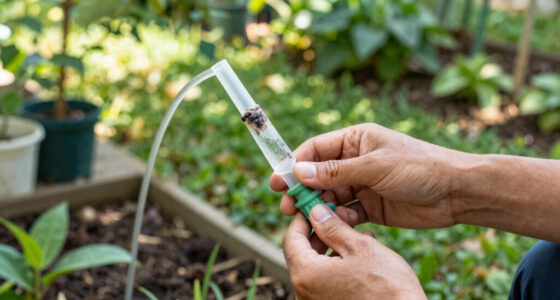
Clear-looking water can still carry sand, mineral fragments and fine sediment. Once trapped inside narrow emitter passages, those particles restrict flow and create dry, stressed planting zones.
Catch the particles you cannot see.
A correctly sized filter keeps tiny grit out of emitters, protects uniform flow and reduces labor-intensive flushing or replacement.
Simple and affordable
Well suited to smaller systems and relatively clean water. Easy to inspect, remove and rinse.
Built for heavier debris
Greater particle-holding capacity makes layered filtration useful for dusty or sediment-heavy sources.
Regulators turn a volatile supply into steady irrigation.
Pump cycles, well drawdown and infrastructure changes can make pressure surge or collapse. A regulator holds the downstream system near its designed operating range.
The protected zone
Most drip systems perform consistently around a controlled 25–30 PSI. Check the manufacturer’s specification for your exact tubing and emitters.
Skipping parts saves money once. Installing them saves money repeatedly.
The hidden bill arrives through replacement emitters, plant stress, leaks, troubleshooting, downtime and wasted water—not at the checkout counter.
| System outcome | Parts skipped | Filter + regulator installed | Long-term effect |
|---|---|---|---|
| Emitter clogging | ✗ Frequent risk | ✓ Reduced exposure | Fewer replacements and flushes |
| Water distribution | ~ Uneven | ✓ Consistent | Healthier, more uniform plants |
| Pressure spikes | ✗ Uncontrolled | ✓ Limited | Less blowout and component damage |
| Maintenance | ✗ Reactive | ✓ Preventive | Less emergency labor and downtime |
| Upfront price | ✓ Lower today | ~ Modest investment | Protection repays the difference |
Recent upgrades reduce maintenance without reducing protection.
Modern components are easier to clean, monitor, adjust and replace—removing many of the excuses that once led installers to omit them.
Self-cleaning filters
Brushes or automatic flushing mechanisms remove accumulated debris with far less manual intervention.
Connected regulators
Sensors, Wi-Fi or Bluetooth can support pressure alerts, remote readings and automatic adjustment.
Desert-ready materials
UV-resistant plastics and corrosion-proof metals improve survival under heat, sun and harsh water.
Easier installation
Quick-access housings and replaceable modules make inspection and repair more approachable for DIY users.
Every healthy emitter starts upstream.
Install components in a logical sequence, then verify the final pressure at the regulated outlet or representative drip zone.
Water source
Well, pump or municipal supply introduces water and variable pressure.
Filter
Screen, disc or mesh media captures sand, grit and sediment.
Regulator
High inlet pressure is reduced to a stable drip-safe level.
Drip lines
Controlled water moves evenly through headers and lateral tubing.
Healthy plants
Clean emitters deliver predictable moisture with less waste.
Inspect more often when the source carries heavy sediment or performance begins to change.
Desert drip system FAQ
A few practical checks can reveal whether filtration and regulation are doing their jobs.
Can I skip a filter if the water looks clean?
No. Clear water may contain particles small enough to enter and clog emitter passages. Visual clarity is not proof of particle-free water.
How do I test the regulator?
Attach a pressure gauge at its outlet. Most drip systems should read near 25–30 PSI, though the equipment specification always takes priority.
Are self-cleaning filters worth it?
They can be especially valuable in dusty environments, where frequent sediment accumulation would otherwise demand repeated manual cleaning.
Which regulator should I choose?
Use a fixed model for a simple, known operating range or an adjustable model when zones, elevation or emitter requirements vary.
Why Filters Are Your System’s Best Friend (And How They Save You Money)
Filters serve as the first line of defense against dirt, sand, and debris—common in desert environments—preventing these particles from reaching your emitters. When dirt bypasses filtration, it accumulates inside the emitters, causing clogs that reduce water flow or completely block watering. This results in uneven moisture distribution, stressing plants and reducing yield or aesthetic appeal. Over time, clogs can also cause pressure buildup, risking damage to your system components. Using high-quality filters, especially ones with self-cleaning features, minimizes maintenance and prevents these issues from escalating, ultimately extending the lifespan of your irrigation system. For instance, a filter trapping particles down to 150 microns ensures even the tiniest grit doesn’t compromise your emitters, saving you from frequent replacements and repairs. Recognizing the importance of these filters and choosing ones suited to dusty conditions is an investment that pays off through consistent watering, healthier plants, and fewer service calls. The tradeoff is clear: a small upfront cost for filters can prevent costly system failures, downtime, and labor-intensive cleaning, making your irrigation more reliable and cost-effective over the long haul.
As an affiliate, we earn on qualifying purchases.
Pressure Regulators: The Secret to Consistent Watering in the Desert
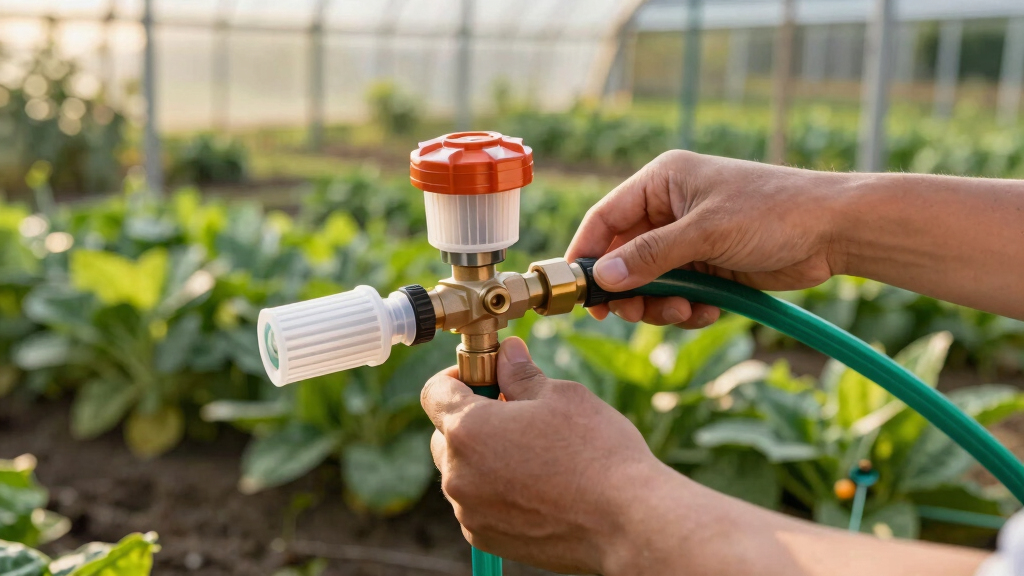
In desert environments, water pressure can fluctuate significantly due to pump cycles, well drawdown, or infrastructure limitations. These fluctuations can have serious implications for your drip system’s performance. When pressure spikes—say from 60 PSI to over 120 PSI—emitters may blow out or suffer damage, leading to costly replacements. Conversely, drops in pressure cause uneven watering, leaving some plants under-irrigated. Pressure regulators serve as vital safeguards, maintaining a steady, optimal pressure—typically around 25-30 PSI—that ensures uniform watering and prevents damage. Adjustable regulators give you the flexibility to fine-tune pressure based on your specific setup, optimizing water delivery. Modern electronic regulators go a step further by providing remote monitoring and automatic adjustments through smartphone apps, allowing you to respond instantly to pressure changes caused by pump surges or drops. This precision not only protects your emitters but also conserves water by preventing over-application and runoff. The tradeoff of investing in quality pressure regulation is significant: it reduces system failures, minimizes water waste, and ensures your plants receive consistent moisture, which is critical in arid conditions where water is precious. Proper pressure management ultimately leads to healthier plants, fewer repairs, and a more efficient irrigation system.
pressure regulator for drip system
As an affiliate, we earn on qualifying purchases.
As an affiliate, we earn on qualifying purchases.
Why Most Systems Skip These Parts (And Why That’s a Mistake)
Many desert gardeners opt to skip filters and regulators to cut initial costs, believing these components are optional or unnecessary. However, this short-term saving often results in long-term expenses. Without filters, dirt and debris quickly accumulate in emitters, causing clogs that diminish watering efficiency and require frequent cleaning or replacement—sometimes within just a few weeks in dusty soil. The absence of pressure regulation exposes your system to pressure spikes and drops, which can lead to emitter damage, dislodgement, or uneven watering. These issues demand costly repairs, replacements, and increased labor. The initial savings from skipping these parts might seem appealing, but they ignore the hidden costs of system downtime, reduced plant health, and ongoing maintenance. For example, a homeowner who neglects filtration and regulation will likely spend more on replacing clogged emitters and fixing pressure-related damage than the cost of installing quality filters and regulators from the start. Conversely, a system equipped with proper filtration and regulation sustains consistent performance, minimizes maintenance, and ultimately saves money—making it a smarter investment in the long run.
As an affiliate, we earn on qualifying purchases.
The Latest in Filtration and Pressure Control Tech (And Why It Matters)
Recent technological advancements have revolutionized how filters and pressure regulators are integrated into desert drip systems. Self-cleaning filters, equipped with automatic brushes or flushing mechanisms, actively remove debris on a daily basis, drastically reducing manual maintenance and keeping your system free of clogs. This innovation is especially valuable in dusty environments where debris accumulates rapidly. Meanwhile, smart pressure regulators, connected via Wi-Fi or Bluetooth, enable remote monitoring and adjustments through smartphone apps. These devices automatically respond to fluctuations caused by pump surges or drops, maintaining consistent pressure and protecting your emitters. Material improvements, such as UV-resistant plastics and corrosion-proof metals, extend the lifespan of these components under harsh desert conditions. Modular designs facilitate easy installation and repairs, empowering even DIY enthusiasts to maintain their systems effectively. For example, a homeowner installing a self-cleaning filter and a smart regulator last season reports minimal system downtime, reduced maintenance time, and healthier plants—proof that investing in these latest technologies translates into more reliable, efficient irrigation, and long-term savings.
high-quality drip system pressure regulator
As an affiliate, we earn on qualifying purchases.
As an affiliate, we earn on qualifying purchases.
Frequently Asked Questions
Can I skip filters if my water looks clean?
Even clear-looking water can carry tiny particles that clog emitters. Installing a filter is a small investment that pays off by preventing costly clogs later.How do I know if my pressure regulator is working properly?
Use a pressure gauge at the outlet; it should read between 25-30 PSI for most drip systems. If it’s higher or fluctuates wildly, it’s time to check or replace your regulator.Are self-cleaning filters worth the extra cost?
Yes. They reduce manual cleaning, save time, and keep your system running smoothly, especially in dusty environments where debris accumulates quickly.How often should I replace or clean filters?
Inspect every 2-3 months, especially in dusty or sediment-heavy water. Replace or clean filters as needed to keep water flowing freely.What’s the best type of pressure regulator for desert drip systems?
Adjustable electronic regulators are ideal—they provide precise control and can adapt to fluctuating water pressure, protecting your system in harsh conditions.Conclusion
In desert drip irrigation, filters and pressure regulators are your best friends. They protect your system from clogs, damage, and uneven watering, saving you time, money, and headaches. With new tech making these parts more reliable and easier to maintain, there’s no reason to skip them.
Think of these components as the silent heroes—working behind the scenes to keep your garden lush and efficient. Treat them well, and your desert oasis will thrive with less effort and more water savings.
Halloween Picks
halloween
As an affiliate, we earn on qualifying purchases.