
TL;DR
Open a free Amazon Business account
Business pricing, bulk buying and tax-exempt orders.
Create a free accountAs an affiliate, we earn on qualifying purchases.
Artificial turf generally makes yards hotter due to its heat-absorbing surface, often reaching 20-50°F higher than natural grass. Advances like reflective infill and lighter colors help combat this, but proper shading and turf choices are key to keeping your yard comfortable in the heat.
Picture a summer afternoon in the desert. You step onto your yard, and instead of the cool, whispering shade of grass, you’re greeted by a blazing, sun-baked surface. That’s the reality with artificial turf in hot climates. Many wonder: does it turn my yard into a mini desert oven?
Understanding how artificial turf interacts with relentless desert sun is key to making smart choices. In this guide, you’ll learn if turf makes your yard hotter, what recent innovations are helping reduce heat, and practical tips to keep your outdoor space cool and inviting, even in the scorching heat.
Artificial turf can reach 150°F in direct sun, much hotter than natural grass, making yards uncomfortable and unsafe.
Choosing lighter shades, reflective infill, and adding shade can cut turf surface temperatures by up to 20°F.
Planting shade trees and installing shading fabrics are simple, effective ways to keep turf cooler.
Hybrid turf systems and new cooling technologies are improving the heat performance of synthetic lawns.
In desert climates, managing turf heat is essential to avoid turning your yard into a mini oven.
Does Artificial Turf Make a Desert Yard Hotter?
Yes. Synthetic turf absorbs intense solar energy without the natural cooling of evapotranspiration. In direct desert sun, its surface can become dramatically hotter than living grass—even when the surrounding air temperature is unchanged.
Possible under hot, clear and sunny conditions.
Artificial turf versus natural grass or soil.
Direct desert sunlight
Under similar conditions
With sails, trees or umbrellas
Possible after lawn replacement
Why synthetic grass feels like a hot grill
Dark polymer fibers absorb sunlight and store thermal energy. Living grass reflects part of that energy and releases moisture, creating an active cooling cycle that artificial turf cannot reproduce.
Absorb. Store. Radiate.
Polyethylene, polypropylene or nylon fibers warm quickly. Dense backing and dark infill can retain heat, then radiate it toward people, pets and nearby hardscape.
Reflect. Transpire. Cool.
Natural grass releases moisture through evapotranspiration. As that moisture evaporates, it carries heat away and keeps the plant canopy comparatively cool.
Surface temperature under intense sun
Illustrative comparison based on reported hot, sunny conditions. Actual temperature varies with air temperature, wind, shade, material, moisture and installation.
Cooling technology is improving the equation
New materials reduce heat absorption, but no product removes the basic effect of direct desert sunlight. The best results come from combining material upgrades with shade and landscaping.
Reflective infill
Silica sand and selected organic infills absorb less heat than traditional black rubber and can create a cooler walking surface.
Lower absorptionLighter turf tones
Pale green, tan and reflective fiber blends return more solar energy than dark, highly saturated turf shades.
Higher reflectivityHybrid landscapes
Smaller turf zones combined with living plants, permeable ground and shade reduce the total heat-storing surface area.
Balanced footprintA light-green turf, silica sand infill and mature tree shade can work together to produce a major afternoon temperature reduction. Results depend on site conditions, but layering interventions is more effective than relying on one product feature.
Build cooling into the yard from day one
Start with exposure and shade, then choose the turf and infill. Installation decisions determine whether the lawn remains usable during the hottest hours.
Map afternoon sun
Identify the hottest west-facing zones.
Reduce turf area
Use synthetic lawn only where it adds value.
Choose light fibers
Favor reflective, pale color blends.
Add cooler infill
Consider silica sand or organic options.
Create shade
Layer trees, sails and movable umbrellas.
| Cooling strategy | Heat impact | Best use | Tradeoff |
|---|---|---|---|
| Shade trees | High | Long-term whole-yard cooling | Growth time and root planning |
| Shade sails | High | Immediate patio or play-zone relief | Posts, wind load and maintenance |
| Reflective infill | Moderate | New turf installations | Higher material cost |
| Lighter turf | Moderate | Full-sun locations | May look less lush or traditional |
| Hybrid landscaping | High | Heat-conscious desert design | More complex maintenance plan |
| Temporary rinsing | Short-lived | Cooling immediately before use | Uses water and warms again quickly |
Your microclimate can amplify—or soften—the heat
Desert air, intense solar exposure and surrounding hardscape work together. Turf beside concrete, rock and walls can sit inside a loop of absorbed and reflected heat.
The heat multiplier
Dark turf, unshaded western exposure, concrete borders, decorative rock and limited vegetation all increase the yard’s thermal load.
More stored heatThe cooling network
Deciduous trees, tall shrubs, shade sails, pale surfaces and smaller turf zones interrupt solar exposure and cool surrounding air.
More usable hoursHow a turf choice reaches the neighborhood
Artificial turf can make a desert yard substantially hotter, especially in direct afternoon sun. If low maintenance is the goal, use less turf, select lighter reflective materials and prioritize permanent shade. Always test the surface with the back of your hand before allowing children or pets onto it.
Why Does Artificial Turf Feel So Much Hotter Than Natural Grass?
Artificial turf absorbs sunlight like a sponge. Its dark, synthetic fibers trap heat, causing the surface to heat up far beyond natural grass. On a sunny 100°F day, turf can hit 150°F or more — enough to burn bare feet or pets’ paws.
Compare it to natural grass, which stays much cooler because it reflects sunlight and cools itself through evapotranspiration. This process allows plants to release moisture into the air, which absorbs heat and cools the surface. The absence of this natural cooling mechanism in synthetic turf means it retains more heat, making it uncomfortable and potentially unsafe during peak heat times.
For example, in a desert backyard, a turf patch may feel like walking on a hot grill, while nearby grass remains cool and walkable. This temperature disparity can limit outdoor activities during the hottest parts of the day, forcing homeowners to restrict use or seek shade, which impacts the usability of their outdoor space.
As an affiliate, we earn on qualifying purchases.
What Are the Latest Innovations That Help Keep Artificial Turf Cooler?
Manufacturers now fight heat with advanced technology that directly addresses the core issue of heat absorption. New ‘cool turf’ options incorporate reflective infill materials, lighter shades, and innovative fibers designed to reflect sunlight more effectively. These innovations are critical because they directly influence the microclimate of your yard, making it more livable during hot months.
For instance, silica sand and organic infill materials are less absorbent than traditional black rubber, meaning they reflect more sunlight and absorb less heat. This reduces the surface temperature and makes the turf safer to walk on. Additionally, lighter green shades mimic the natural reflectivity of real grass, helping to reduce heat absorption.
Hybrid systems that combine natural grass with synthetic patches can also help. These systems reduce overall heat retention by introducing natural cooling effects and increasing shading opportunities. The importance of these innovations lies in their potential to extend the usability of artificial turf in desert climates, allowing homeowners to enjoy their yards without the oppressive heat — but they often come with tradeoffs such as higher cost or maintenance considerations.
As an affiliate, we earn on qualifying purchases.
How to Choose and Install Artificial Turf That Stays Cooler
- Pick lighter-colored turf. A pale green or tan shade reflects more sunlight, reducing heat absorption. Darker shades, while more natural-looking, tend to trap more heat, so weighing aesthetics against comfort is key.
- Opt for turf with reflective infill materials like silica sand or organic options. These materials absorb less heat and help keep the surface temperature down, making the yard safer and more comfortable for outdoor activities.
- Position turf away from direct afternoon sun, if possible. Strategic placement can significantly cut surface temperatures, especially in open areas with little shade.
- Plant shade trees or tall shrubs nearby to block harsh rays. This natural shading not only cools the turf but also creates a more inviting environment for outdoor gatherings.
- Use shading fabrics or umbrellas during peak heat hours. These inexpensive solutions can lower surface temperatures by up to 20°F, providing immediate relief during the hottest parts of the day.
For example, in a recent desert yard project, installing a light-green turf with silica sand infill and planting a tall mesquite tree cut surface temps by nearly 30°F during summer afternoons. These strategies work together to transform a scorching hot patch into a comfortable, usable outdoor space, demonstrating that thoughtful planning can mitigate heat challenges effectively.
As an affiliate, we earn on qualifying purchases.
How Your Local Climate and Yard Design Affect Heat Levels
In desert zones, the combination of intense sun, dry air, and reflective surfaces amplifies heat buildup. Your yard’s microclimate can turn a usually mild area into a blazing oven with artificial turf. Understanding these local factors is essential because they influence how much heat your yard retains and how comfortable it feels.
Design choices matter more than you might think. A yard with little shade, dark surfaces, or surrounding concrete and rocks can trap and reflect heat, increasing surface and ambient temperatures. Conversely, strategic shading, light-colored surfaces, and landscaping can significantly mitigate heat buildup. For example, planting deciduous trees that provide shade in summer while allowing sunlight in winter can balance cooling needs without sacrificing sunlight during colder months.
For example, a homeowner in Phoenix found that planting a row of tall palo verde trees and installing shade sails lowered turf surface temps by 20°F, making outdoor time more pleasant and usable. This demonstrates that understanding local climate and thoughtful yard design are crucial for creating a comfortable outdoor environment in desert conditions.
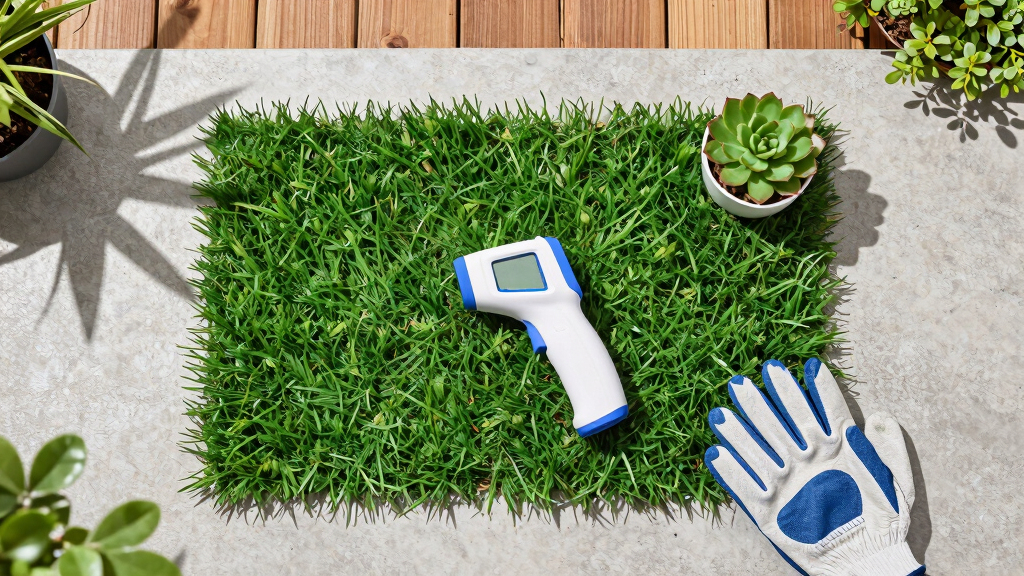
artificial turf with cooling technology
As an affiliate, we earn on qualifying purchases.
As an affiliate, we earn on qualifying purchases.
Does Artificial Turf Contribute to the Urban Heat Island Effect?
Artificial turf can add to the heat island effect, especially in densely built desert neighborhoods. Its dark surface absorbs and traps heat, which radiates into the surrounding environment, raising local air temperatures. This effect is compounded in areas where natural green spaces are replaced with synthetic surfaces, reducing natural cooling and increasing overall heat retention in the microclimate.
In a typical suburban yard, replacing natural grass with turf can increase the ground-level temperature by 10-20°F during summer. This extra heat radiates into the neighborhood, making the entire area feel hotter and less comfortable. This is particularly problematic in desert cities where high outdoor temperatures are already the norm, and microclimate effects can exacerbate heat stress for residents and wildlife alike.
While this is just one piece of a larger urban heat puzzle, it highlights the importance of considering environmental impacts when choosing landscaping materials. Using lighter-colored turf, incorporating shading, and maintaining natural vegetation can help mitigate this effect, promoting a healthier, cooler microclimate for the community.
Practical Tips to Keep Your Artificial Turf Cooler in the Desert
- Choose lighter colors and reflective infills to reduce heat absorption.
- Plant shade trees around the yard to block direct sunlight and promote cooling.
- Install shading fabrics or umbrellas during peak hours to create shaded zones.
- Use cooling infill materials like organic options or silica sand that reflect more sunlight.
- Limit direct afternoon sun on the turf by strategic landscaping and positioning.
For instance, adding a large shade sail over your turf patch can drop surface temps by 20°F, making playtime safer and more comfortable. Additionally, combining shading with reflective infill and strategic placement maximizes cooling benefits, allowing you to enjoy your yard without the oppressive heat.
Frequently Asked Questions
Does artificial turf make my yard significantly hotter than natural grass?
Yes, artificial turf can reach surface temperatures up to 150°F in direct sunlight, while natural grass usually stays around 80-90°F. This makes turf much less comfortable for walking or playing during peak heat.Are there artificial turf options that stay cooler?
Yes, newer ‘cool turf’ products use reflective infill and lighter shades to reduce surface temperatures by up to 20°F, making them more suitable for hot climates.How can I keep my artificial turf cooler in the desert?
Plant shade trees, install shading fabrics or umbrellas, choose lighter turf shades, and use reflective or organic infill materials. These steps help lower the surface temperature and improve comfort.Will artificial turf worsen the urban heat island effect?
It can, especially in densely built areas, because dark surfaces reflect and trap heat. Proper shading and lighter-colored turf can mitigate this impact.Is using artificial turf in a desert environment worth it despite the heat?
Yes, if you choose cooler options and incorporate shading and landscaping strategies. It offers low maintenance and drought-tolerance, but managing heat is key to making it comfortable.Conclusion
Artificial turf in desert yards isn’t a one-size-fits-all. It can turn into a scorching surface if you don’t plan carefully. But with the right choices—lighter colors, reflective infill, strategic shading—you can enjoy a low-maintenance yard that doesn’t bake you out during summer.
Think of your yard as a mini oasis, not a furnace. A little planning goes a long way to making outdoor living cool, comfortable, and safe — even in the hottest months.
Fall Picks
fall essentials
As an affiliate, we earn on qualifying purchases.