TL;DR

Get garden gear delivered free with Prime
- Fast, free delivery on millions of items
- Prime Video, Amazon Music and more included
- Member-only deals all year
Shade trees provide natural, long-lasting cooling but take years to grow. Shade structures offer immediate relief and flexibility but need maintenance and replacement. Combining both can maximize comfort and landscape value.
Shade trees take 5-15 years to fully shade your yard but offer long-lasting, natural cooling and landscape benefits.
Shade structures provide instant relief and are easier to install but need regular maintenance and replacement after 5-20 years.
Choosing drought-tolerant native trees like palo verde or desert willow ensures healthy growth with minimal water.
Durable shade fabrics and sturdy frames are essential for shade structures to withstand desert wind and sun.
Combining both options gives you quick comfort now and a beautiful, cooling landscape for decades.
Shade Trees vs Shade Structures
One grows into a living cooling system. The other delivers relief today. Compare speed, durability, cost, water use and long-term value—then build a backyard that feels like a retreat instead of a heat trap.
Two paths to a cooler yard
Shade trees reward patience with natural cooling, beauty and habitat. Built shade trades ecological value for speed, precision and flexibility. For most desert properties, the strongest answer is a phased combination.
Shade trees
Canopy shade combines solar blocking with evapotranspiration—the release of moisture through leaves—to cool both surfaces and surrounding air.
Shade structures
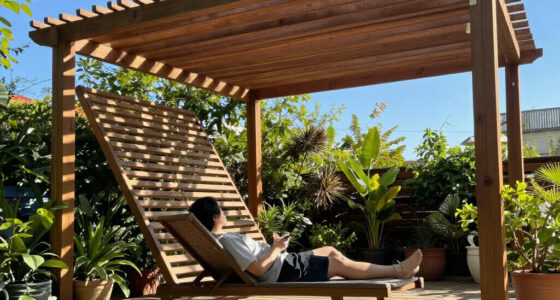
Pergolas, shade sails, awnings and umbrellas intercept direct sunlight exactly where it is needed, with no growing period.
Where each option wins
Upfront price tells only part of the story. Trees appreciate as landscape assets, while structures deliver predictable coverage but eventually require fabric, hardware or frame replacement.
| Factor | Shade trees | Shade structures | Practical verdict |
|---|---|---|---|
| Cooling speed | ~Builds over 5–15 years |
✓Immediate after installation |
Use a structure for near-term comfort. |
| Cooling quality | ✓Shade plus evapotranspiration |
~Blocks sun without cooling air |
Trees create the richer microclimate. |
| Longevity | ✓Decades or longer |
~Approximately 5–20 years |
Trees dominate long-term value. |
| Placement flexibility | ✗Roots and mature size constrain siting |
✓Precise, modular coverage |
Structures fit tight patios better. |
| Environmental return | ✓Habitat, carbon and air quality |
✗Limited unless materials are reused |
Trees benefit the entire landscape. |
| Desert maintenance | ~Water, pruning and health checks |
~Cleaning, tensioning and repairs |
Both need planned upkeep. |
Why living shade feels different
A solid or fabric roof prevents solar radiation from striking people and surfaces. A tree does that too, then adds moisture exchange, habitat and seasonal movement—without consuming mechanical energy.
Canopy blocks the sun
A mature, well-placed canopy can filter or block up to 70% of incoming sunlight, reducing surface heat on patios, walls and seating.
Leaves cool the air
Evapotranspiration releases moisture through foliage. That living exchange helps create a cooler local microclimate beneath and around the tree.
The yard gains life
Native trees support pollinators, improve soil conditions, capture carbon and give the landscape a permanent visual anchor.
Effective shade can reduce temperatures in the protected area by roughly 10–20°F. The exact result depends on canopy density, material, airflow, time of day and whether the measured surface is pavement, soil or vegetation.
Desert trees built for heat
Native and drought-tolerant species are adapted to poor soil, temperature swings and limited rainfall. Select for mature canopy width—not only nursery size—and keep roots clear of foundations and utilities.
Palo verde
Distinctive green bark, airy canopy and strong desert character. Some varieties can approach 20 feet within several years.
Desert willow
Showy blooms attract pollinators while the narrow leaves create filtered shade suited to informal outdoor areas.
Mesquite
A durable desert classic with excellent mature shade. Give the roots and spreading crown generous room.
Desert hackberry
A resilient native choice offering shelter, food for wildlife and dependable performance in demanding conditions.
The tree-shade timeline
Plant in early spring or fall, water deeply during establishment and allow the canopy to expand through selective—not excessive—pruning.
Structures that survive desert weather
Intense ultraviolet exposure and wind—not just temperature—determine lifespan. Specify exterior-grade materials, engineer attachment points and inspect tensioned systems before windy seasons.
UV-resistant HDPE
High-density polyethylene shade cloth resists fading and tearing while allowing some heat to escape through the weave.
Steel or treated wood
Choose corrosion-protected steel or properly treated structural timber sized for the intended span and local wind exposure.
Footings over shortcuts
Concrete footings, heavy-duty posts and rated hardware help prevent uplift, shifting and progressive loosening.
Inspect every season
Clean fabric, tighten fittings and look for sagging, corrosion or tears. Small repairs preserve performance and useful life.
Comfort now. Canopy later.
Place immediate structural shade over the area you use today, then plant climate-ready trees where their mature crowns will cool adjacent seating, walls and paving. As the canopy develops, the structure can remain, shrink or move.
Locate the hottest seating and west-facing surfaces.
Install a sail, awning or pergola for immediate use.
Choose drought-tolerant species for mature dimensions.
Water deeply, mulch correctly and prune selectively.
Let living shade carry more of the cooling load.
Combine both
A durable structure solves today’s heat. Drought-tolerant trees build tomorrow’s cooler, greener landscape. Together they balance speed, comfort, resilience and long-term property value better than either option alone.
Why Shade Trees Are Your Long-Term Cooling Champions
Shade trees are nature’s cooling machines. They grow slowly, but their canopy can block up to 70% of sunlight, bringing the temperature down significantly. Think of a mature mesquite or palo verde—big, leafy, and providing a lush green canopy that filters the sun’s rays.
When a tree’s leaves dance in the breeze, they release moisture into the air, creating a cooling effect called evapotranspiration. This natural process can drop outdoor temperatures by 10-20°F in the shaded area. But why does this matter? Because it means your outdoor space becomes more comfortable without any energy consumption or mechanical systems. Additionally, trees improve air quality and attract pollinators, which enhances your yard’s ecological health. However, the tradeoff is time: trees need years to mature and provide their full cooling benefit. This means planning ahead is crucial. The longer you wait to plant, the longer you’ll have to endure the heat before enjoying full shade. But once established, these natural giants become a permanent, maintenance-light feature of your landscape, offering sustainable cooling and aesthetic value for decades.
drought-tolerant shade trees for desert backyard
As an affiliate, we earn on qualifying purchases.
As an affiliate, we earn on qualifying purchases.
Quick Relief: How Shade Structures Cool Your Backyard Instantly
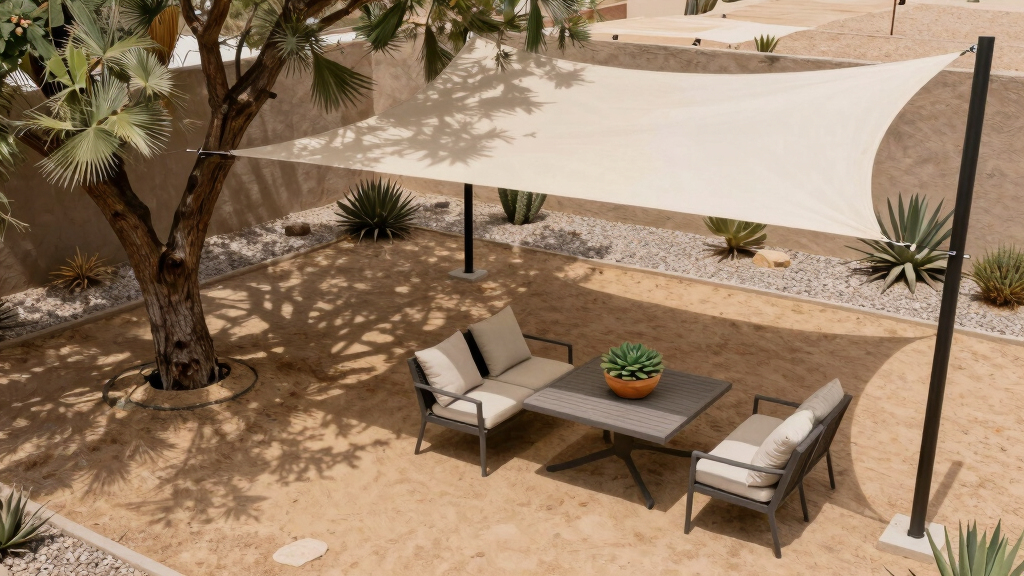
Shade structures are the immediate answer to scorching heat. Think of a sturdy pergola, a bright blue shade sail, or a classic patio umbrella. They block direct sunlight right now—no waiting required. Why is this important? Because in the desert, heat can become unbearable within minutes, and waiting 5-15 years for a tree to mature isn’t always practical. Shade structures provide instant comfort, allowing you to enjoy your outdoor space during peak heat hours. Besides immediate relief, they are highly customizable—colors, styles, and materials can be chosen to complement your landscape. The materials used, such as UV-resistant fabrics or treated metals, are designed specifically for harsh desert conditions. The key consideration is durability: these structures need to withstand high temperatures, intense sun, and occasional wind gusts. While they require regular maintenance—like cleaning or tightening—they are a cost-effective way to immediately improve comfort. The tradeoff? They don’t offer the same ecological benefits as trees, such as air purification or habitat creation. But when it comes to instant cooling, their advantage is clear: quick, flexible, and effective relief from the desert heat.
outdoor shade structures for patio
As an affiliate, we earn on qualifying purchases.
As an affiliate, we earn on qualifying purchases.
Tree vs Structure: Which Saves You More Money Over Time?
| Factor | Shade Trees |
|---|---|
| Initial Cost | High—$200 to $600+ per tree, plus planting & care |
| Maintenance | Moderate—pruning, watering, occasional health checks |
| Longevity | Decades to centuries—permanent part of landscape |
| Cooling Effect | Builds gradually—full shade in 5-15 years |
| Factor | Shade Structures |
|---|---|
| Initial Cost | Varies—$100 to $2,000+ depending on size & material |
| Maintenance | Low—occasional cleaning or repairs |
| Longevity | 5-20 years, depending on materials |
| Cooling Effect | Immediate, but less natural insulation |
As an affiliate, we earn on qualifying purchases.
Planting Drought-Resistant Trees That Thrive in Desert Heat
Choosing the right tree can make or break your shade project. In the desert, native or drought-tolerant species are best. Think desert willow, palo verde, mesquite, or desert hackberry. They’re tough, need less water, and grow well in poor soil. Why does this matter? Because selecting resilient species ensures your investment in shade will succeed without excessive watering or upkeep. Native trees are adapted to the harsh desert conditions—they have deep root systems, drought resistance, and resilience to temperature swings—making them reliable long-term options. For example, a palo verde can grow 20 feet tall in just a few years, offering ample shade and a splash of green against the sandy backdrop. Plus, they attract pollinators and require minimal watering once established, reducing your water bill and maintenance effort. When planting, timing is key: early spring or fall are ideal, and deep watering during establishment helps roots develop. These hardy trees become your natural cooling partners over time, providing sustainable relief from the intense desert sun and enhancing your landscape’s ecological health.
As an affiliate, we earn on qualifying purchases.
Designing Shade Structures That Last in Desert Conditions
To withstand desert weather, your shade structures need sturdy materials. Look for UV-resistant fabrics, steel or treated wood frames, and anchoring systems that resist high winds. Why is this important? Because desert environments are not just sunny—they are also windy, which can cause wear and tear on weaker structures. A well-built shade sail with UV-resistant fabric can last 10-15 years if installed properly, but neglect or poor material choice can shorten lifespan significantly. For example, a shade sail stretched over a patio can block 90% of sunlight and stay taut even during gusty desert winds. Regular inspections and cleaning prevent sagging or tears, extending its functional life. High-density polyethylene fabrics are recommended because they resist fading, tearing, and UV damage, maintaining their protective qualities over time. Proper anchoring, such as concrete footings or heavy-duty posts, ensures stability during storms or high winds. Investing in durable materials and proper installation means your shade structure can provide reliable relief season after season, making it a cost-effective component of your outdoor comfort strategy.
Can You Combine Trees and Structures for the Best Cooling?
Absolutely. Combining both gives you quick relief and long-term shade. Think of installing a shade sail over a young tree in the early years. As the tree matures, it will take over most of the shading, while the structure provides instant cover during the transition. Why does this matter? Because relying solely on trees means waiting years before achieving full shade, which can be uncomfortable during peak summer months. Conversely, using only structures provides immediate relief but lacks ecological benefits and can be costly over time. A strategic combination leverages the strengths of both: the structure offers instant comfort, while the tree grows into a natural, sustainable canopy. For example, planting a mesquite near your patio and installing a retractable awning creates a layered cooling system. As the mesquite matures, it provides shade, reducing your dependence on the structure. This approach also encourages biodiversity and adds visual appeal. Layering drought-tolerant native trees with flexible shade structures results in an eco-friendly, energy-efficient, and visually pleasing outdoor space that adapts over time to your needs.
Frequently Asked Questions
Which is more cost-effective long-term: trees or shade structures?
Trees cost more upfront and take years to grow, but they last for decades and boost your landscape. Shade structures are cheaper initially and provide quick relief, but they require repairs or replacements over time. Combining both offers the best long-term value.How fast can a shade tree start cooling my backyard?
Most desert trees like palo verde or mesquite begin providing noticeable shade within 3-5 years. Full canopy cover might take 10-15 years, but even young trees can cut the heat significantly.What are the best drought-tolerant trees for desert landscapes?
Native species like palo verde, desert willow, mesquite, and desert hackberry thrive in dry conditions. They grow quickly, need minimal watering once established, and provide excellent shade.Are shade structures durable enough for desert winds and sun?
Yes. Use UV-resistant fabrics and sturdy frames made of treated steel or weather-resistant wood. Proper installation and regular maintenance extend their lifespan, often over a decade.Can I combine trees and structures for better cooling?
Absolutely. Installing a shade sail or umbrella over a young tree gives immediate relief. As the tree matures, it takes over most shading, creating a layered, cooling effect that saves energy and enhances your yard’s beauty.Conclusion
In a desert backyard, patience rewards you with natural, cooling shade from trees, but structures give instant relief when the heat’s unbearable. The smart move? Use both. Plant drought-resistant trees now and add flexible shade sails or umbrellas for immediate comfort. Your perfect outdoor oasis is just a choice away—cool, lush, and ready for summer days.Halloween Picks
halloween
As an affiliate, we earn on qualifying purchases.