
TL;DR

Get garden gear delivered free with Prime
- Fast, free delivery on millions of items
- Prime Video, Amazon Music and more included
- Member-only deals all year
Preparing for monsoon in desert gardens requires staking tall plants, improving drainage, and setting up windbreaks. These steps protect your plants from wind, heavy rains, and erosion, keeping your garden healthy and beautiful.
When monsoon season hits the desert, it’s not just rain — it’s a test of your garden’s resilience. Heavy winds, pounding rains, and shifting soil can turn a peaceful yard into a battlefield for your plants. But with a few practical steps, you can turn those challenges into opportunities for a stronger, healthier desert garden.
This guide walks you through the essentials of staking, drainage, and wind protection — real-world tips that work in the heat and dust, helping your plants stand tall and thrive no matter what the monsoon throws your way.
How to Stake Plants So They Don’t Turn Into Wind-Swept Debris
Staking plants before the monsoon arrives is your first line of defense. Tall, fragile, or newly planted greenery needs support to withstand gusts that can snap stems or uproot roots. Using stakes isn’t just about physical support; it influences plant health by reducing stress and preventing damage that can lead to disease. Proper staking ensures plants maintain their structural integrity during high winds, which is crucial because a damaged plant is more vulnerable to pests and disease, potentially compromising your entire garden. Use sturdy stakes of wood, bamboo, or metal, and secure plants with soft ties that won’t damage stems. Ensure stakes are tall enough — at least 2 feet — to hold steady during strong winds. This proactive support can mean the difference between a resilient plant and a toppled one, especially in a storm where every support counts.
For example, a young desert willow, only 3 feet tall, can be easily toppled in a storm. Staking it properly keeps it upright and healthy, letting it grow strong and tall over time. Regularly check ties and stakes to prevent chafing or slipping, as loose ties can cause chafing or chafing can weaken stems over time, leading to breakage. The tradeoff with staking is ensuring it doesn’t damage the plant’s natural growth or create a barrier for airflow, which could promote fungal issues if not monitored.
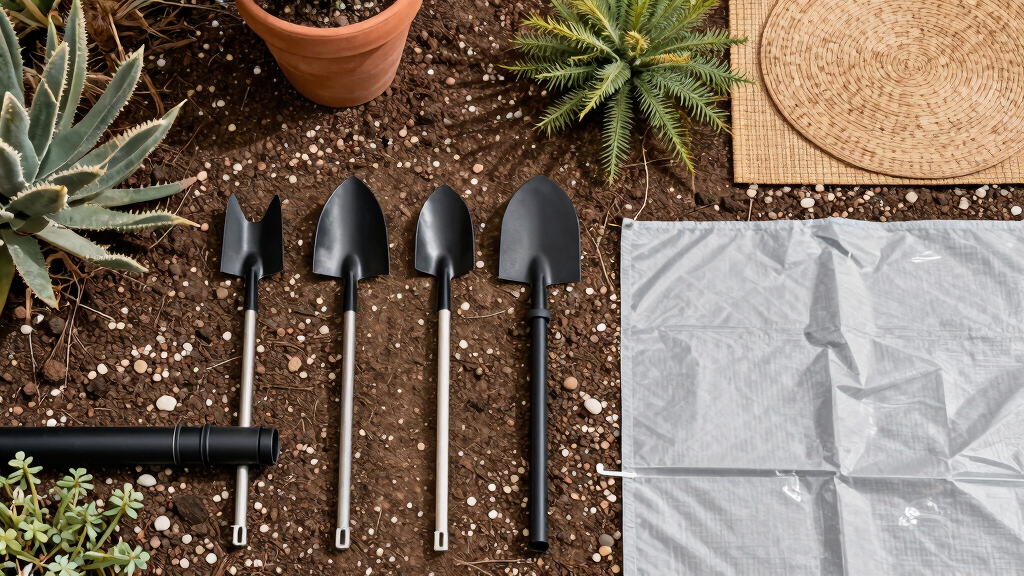
garden plant stakes for wind protection
As an affiliate, we earn on qualifying purchases.
As an affiliate, we earn on qualifying purchases.
Boost Drainage Now to Avoid Waterlogged Roots During Heavy Rains
Drainage is king in desert gardens. Heavy monsoon rains can cause water to pool, especially if your soil holds water longer than it should. Poor drainage leads to waterlogged roots, which deprive plants of oxygen and promote root rot — a common killer in heavy rains. Understanding the implications of waterlogging is vital: it not only threatens individual plants but can also cause soil erosion and nutrient leaching, weakening your entire garden ecosystem. Improving drainage involves more than just adding sand; it’s about creating systems that allow excess water to escape efficiently, reducing long-term damage. Creating raised beds or mounds lifts plants above flood zones, but you must consider soil composition — organic matter like compost improves water retention for drought-tolerant plants but still drains well, balancing moisture needs.
For example, a cactus bed on a slight mound stays dry even after a heavy rain, preventing root rot and keeping plants happy. Installing permeable pathways with gravel or decomposed granite channels runoff away from roots, reducing erosion and ensuring water doesn’t stagnate around plant bases. The tradeoff here is that overly raised beds can dry out quickly if not monitored, so balancing elevation with watering schedules is key. Proper drainage strategies are about managing water flow, not just diverting it — they help maintain soil stability and plant health over the long term.
In essence, effective drainage is an investment in your garden’s resilience, preventing catastrophic losses during storms and promoting healthy root systems that support robust growth year-round.
As an affiliate, we earn on qualifying purchases.
Set Up Windbreaks That Keep Your Plants Standing Tall
Strong desert winds can dry out soil, blow loose sand, and topple delicate plants. Windbreaks act like a shield, breaking up gusts and protecting your garden. But their effectiveness depends on strategic placement and material choice. Fences, dense shrub borders, or trellises with climbing vines work well, but understanding how they influence airflow is key. For example, a well-placed windbreak reduces wind speed by up to 30%, which not only protects plants but also minimizes soil erosion and dust storm effects that can damage foliage and reduce photosynthesis. Position taller plants strategically to shelter smaller or more delicate species, creating a layered defense. Ground covers like blue grama grass stabilize soil and trap dust, reducing wind impact at ground level.
Using natural materials like woven branches or recycled wood for eco-friendly windbreaks not only protects your plants but also enhances your landscape’s sustainability. The tradeoff is that poorly designed windbreaks can cause wind to redirect and intensify on other parts of your garden, so placement and height are crucial. The goal is to slow and diffuse wind, not just block it entirely, which could create turbulence and unintended damage. Properly planned windbreaks are an investment in your garden’s long-term health, reducing stress on plants and maintaining soil integrity during the tumult of the monsoon season.
As an affiliate, we earn on qualifying purchases.
Recent Innovations Making Monsoon Prep Easier and Greener
Gardening tools and techniques are evolving to make monsoon prep more sustainable. Biodegradable stakes and natural fiber ties reduce plastic waste and lessen environmental impact. Rain gardens and permeable paving allow excess water to be absorbed naturally, preventing erosion and standing water that can damage roots. Native plants with flexible stems and deep roots are naturally resistant to wind and water stress, reducing the need for artificial supports. These innovations not only make your garden more eco-friendly but also improve its resilience to storms. For example, a local gardener replaced plastic stakes with bamboo, which is biodegradable and strengthens over time, providing support without adding waste. Installing a rain garden in a low spot diverts runoff from your foundation, protecting your home and landscape from flooding and erosion.
The tradeoff with these innovations is that they often require initial investment and planning but offer long-term benefits. Using native plants and natural materials supports local ecosystems and reduces reliance on synthetic solutions, which can be less sustainable and more costly over time. Embracing these advances means your garden can withstand monsoon challenges while supporting environmental health.
As an affiliate, we earn on qualifying purchases.
Conclusion
In conclusion, preparing your desert garden for the monsoon season is essential for maintaining its health and resilience. By staking tall plants, enhancing drainage, and implementing windbreaks, you create a robust environment that can withstand heavy rains, strong winds, and shifting soils. Remember that each step contributes to a stronger, more resilient garden capable of thriving despite the challenges of the season. Start your preparations early, stay vigilant, and adapt your strategies as needed to ensure your garden remains vibrant and healthy throughout the monsoon. With these practical tips, you’ll not only protect your plants but also enjoy a lush, thriving desert landscape year-round. Now is the time to act—your garden’s resilience depends on it.
Halloween Picks
halloween
As an affiliate, we earn on qualifying purchases.