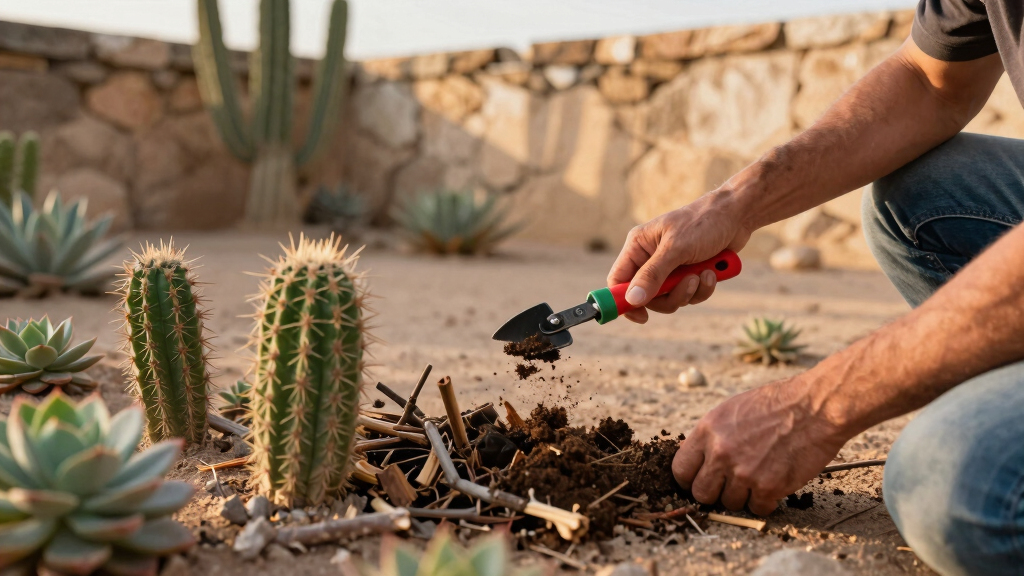

TL;DR

Get garden gear delivered free with Prime
- Fast, free delivery on millions of items
- Prime Video, Amazon Music and more included
- Member-only deals all year
Storm damage in a desert garden often includes uprooted plants, soil erosion, and waterlogging. Quick assessment and targeted repairs, like improving drainage and replacing vulnerable plants with native, drought-tolerant species, can restore resilience and beauty.
Immediately identify storm damage—look for uprooted or broken plants and soil erosion.
Use native, drought-resistant plants for easier recovery and future storms.
Improve garden drainage with regrading, mulch, and berms before the next storm hits.
Reinforce vulnerable areas with windbreaks and raised beds.
Avoid rushing repairs that can cause more harm; take your time and plan.
After the Monsoon
Strong winds, heavy rain and flash runoff can transform a desert garden overnight. Assess the damage early, stabilize the soil and rebuild with native strength to turn storm chaos into a more resilient landscape.
Native, storm-resilient plant choices can reduce replacement and repair costs.
Clear hazards and stabilize exposed soil as soon as conditions are safe.
Plan regrading, drainage work and replacement planting without rushing.
Read the garden before you repair it
Storm damage reveals where water, wind and weak soil are concentrating pressure. Walk the site carefully and document problems before moving plants or changing the grade.
Uprooted plants
Look for exposed root balls, tilted cacti and succulents lying on their sides.
Broken growth
Identify split limbs, torn stems and branches that create immediate hazards.
Erosion channels
Trace washed-out beds, exposed roots and new channels carved by runoff.
Standing water
Mark muddy pockets and pooled water where roots or irrigation lines may fail.
Five steps to repair damage now
Work from safety to stabilization. The sequence matters: clearing access first makes it easier to judge plant health, repair soil and correct the water problem that caused the damage.
Clear debris
Remove fallen branches, broken pots and trash to eliminate hazards and open repair access.
Assess plants
Separate uprooted, broken and merely bent plants. Prune only clearly damaged growth.
Reinforce soil
Refill eroded areas with suitable soil, native gravel or mulch and reshape unstable slopes.
Improve drainage
Add swales, permeable amendments or small berms to guide water away from roots.
Replace wisely
Choose native, drought-tolerant plants such as desert marigold or desert willow.
Begin assessment within days. Stabilize hazards and exposed soil first; reserve regrading and plant replacement for a deliberate repair plan, ideally within two weeks and during cooler conditions.
Native strength lowers the repair cycle
Plants adapted to desert heat, drought and episodic storms recover with less intervention. Pairing them with water-smart grading creates a garden that absorbs pressure instead of repeatedly failing.
Potential reduction in repair costs when storm-resilient native species replace vulnerable planting.
Relative resilience profile based on the repair priorities described in this guide. Combine measures for the strongest result.
Choose the repair that solves the cause
Each intervention addresses a different weakness. The best repair plan often layers immediate soil protection with longer-term water management and resilient planting.
| Strategy | What it does | Best for | Long-term value | Effort |
|---|---|---|---|---|
| Adding mulch | Protects roots, reduces erosion and conserves moisture. | Freshly exposed or disturbed soil | ~ Medium | Low |
| Regrading slopes | Redirects runoff and prevents repeated water pooling. | Flood-prone beds and erosion channels | ✓ High | High |
| Planting natives | Improves recovery and reduces replacement demand. | Long-term landscape stability | ✓ High | Medium |
| Surface patching only | Temporarily fills washed-out areas without changing flow. | Short-term emergency stabilization | ✗ Low | Low |
Prepare before the next storm arrives
Prevention works by slowing wind, guiding runoff and keeping sensitive roots above floodwater. Build these defenses into the garden rather than treating them as temporary add-ons.
Windbreaks
Use native shrubs, desert lavender or small permeable fences to soften damaging gusts.
Raised beds
Lift cactus and succulent roots above temporary floodwater and saturated soil.
Permeable paths
Let water infiltrate while directing overflow away from vulnerable planting zones.
Native planting
Build a community of drought-tolerant species suited to heat, wind and sudden rain.
Every repair should strengthen the next link
A resilient garden emerges from a connected sequence: observe the failure, stabilize the site, correct water movement, rebuild with adapted plants and monitor the next storm.
What not to do after the storm
Storm-stressed plants and saturated soil are vulnerable. Aggressive cleanup can cause more damage than the original weather event, so use restraint while the landscape recovers.
Remove every damaged plant
Bent or bruised plants may recover. Prune clearly broken material, then watch for new growth before replacing them.
Drive on wet soil
Heavy equipment compresses waterlogged ground, deepens ruts and can accelerate erosion around roots.
Apply chemicals casually
Storm-stressed plants are sensitive. Avoid unnecessary herbicides or pesticides and always follow safety guidance.
Fast answers for the recovery window
Use plant response and soil conditions—not appearance alone—to decide what needs immediate action and what can wait.
How can I tell if a plant is too damaged to save?
Prune broken material and allow time for recovery. If an uprooted or severely broken plant shows no new growth after several weeks, replacement may be appropriate.
What is the best way to improve drainage?
Regrade slopes away from roots, build small berms, restore swales and use gravel or organic mulch to slow erosion and reduce standing water.
How soon should repairs begin?
Assess within days and address hazards or exposed soil promptly. Schedule major grading and replanting deliberately, ideally within two weeks.
Which repairs are eco-friendly?
Native plants, permeable pathways, organic mulch and low-impact erosion controls support recovery while improving habitat and soil health.
Repair the damage. Redesign the weakness.
A monsoon is a shock, not a disaster. With patient assessment, smarter drainage and native planting, each repair can become an investment in a stronger, more self-sufficient desert landscape.
How to Spot Storm Damage in Your Desert Garden
Storm damage in a desert garden shows up fast. Look for uprooted plants, broken branches, and patches where soil has washed away. Waterlogged areas can be obvious, with standing water or muddy beds. Uprooted succulents or cacti laying on their sides are dead giveaways.
For example, after a recent monsoon, a gardener discovered her prickly pear cacti knocked over, with root balls exposed and soil washed out. Quick identification is key to swift repair.
native drought-tolerant desert plants
As an affiliate, we earn on qualifying purchases.
As an affiliate, we earn on qualifying purchases.
5 Steps to Repair Storm Damage Right Now
- Clear debris — Remove fallen branches, broken pots, and trash. This clears the way for repairs and prevents trip hazards.
- Assess plant damage — Check if plants are uprooted, broken, or just bent. Prune damaged parts to help recovery, or replace if beyond saving.
- Reinforce soil — Fill eroded areas with native gravel, add mulch, or regrade slopes to prevent future runoff problems.
- Improve drainage — Install swales, add permeable soil amendments, or create small berms to keep water from pooling.
- Replace vulnerable plants — Opt for native, drought-resistant species like desert marigold or desert willow that can handle future storms better.
Taking these steps promptly is crucial because waterlogged and eroded soil can weaken plant roots, leading to ongoing health issues or plant loss. Regrading slopes and improving drainage not only fix current problems but also create a landscape that’s more resilient to future storms. Replacing vulnerable species with native, drought-tolerant plants reduces the need for constant intervention and increases the garden’s ability to recover naturally, saving time and resources in the long run.
garden drainage improvement products
As an affiliate, we earn on qualifying purchases.
As an affiliate, we earn on qualifying purchases.
Compare Common Repair Strategies for Desert Garden Storm Damage
| Strategy | What It Does | Best For |
|---|---|---|
| Adding mulch | Protects roots, reduces erosion, conserves moisture | Soil stabilization after erosion |
| Regrading slopes | Redirects water flow, prevents pooling | Flood-prone areas |
| Planting native species | Enhances resilience, reduces replacement costs | Long-term stability |
Each strategy plays a vital role in creating a resilient desert garden. Mulch, for instance, acts as a protective blanket that insulates roots and minimizes soil disturbance during heavy rains, which is crucial because exposed roots are vulnerable to further erosion. Regrading slopes is not just about redirecting water; it’s about designing a landscape that inherently guides stormwater away from vulnerable zones, reducing the risk of repeated erosion. Planting native species isn’t just a cost-saving measure—these plants are adapted to the harsh desert environment and can better withstand the physical stress of storms, making your garden more self-sufficient over time. Understanding these tradeoffs helps you prioritize interventions that provide the most resilience for your specific landscape conditions.
As an affiliate, we earn on qualifying purchases.
How to Prep Your Garden for Future Storms
Prevention beats repair. Install windbreaks like native shrubs or small fences to buffer strong gusts. Use raised beds to keep roots above floodwaters. Choose native, drought-tolerant plants that thrive despite storms.
For instance, a gardener added a row of desert lavender as a windbreak and raised her cactus beds, which minimized damage during the next storm.
raised garden beds for storm protection
As an affiliate, we earn on qualifying purchases.
As an affiliate, we earn on qualifying purchases.
What Not to Do After a Storm in Your Desert Garden
Don’t rush to prune or remove plants that look damaged. Sometimes, they just need a little trim to recover. Avoid using heavy equipment on soft, waterlogged soil — you’ll cause more erosion. Never apply chemical herbicides or pesticides without proper safety gear; storm-stressed plants are more vulnerable, and chemicals can harm pets or children.
For example, a gardener once tried to bulldoze muddy areas, only to cause more soil loss. Slow, careful repairs work better.
Frequently Asked Questions
How can I tell if my desert plants are too damaged to save?
Uprooted or broken plants that show no signs of new growth after a few weeks likely need replacing. Prune damaged parts and give plants time to recover—if they don’t bounce back, consider replanting native, drought-tolerant species.What’s the best way to improve drainage after a storm?
Regrading slopes to direct water away from roots, installing small berms, and adding organic mulch or gravel can help. These steps reduce standing water and soil erosion, keeping roots dry and healthy.How soon should I start repairs after a storm?
Begin assessment within days. Quick action—removing debris and stabilizing soil—prevents further damage. Major repairs, like replacing plants or regrading, are best done within two weeks, especially during cooler seasons.Are there eco-friendly ways to protect my garden from future storms?
Yes. Use native plants that naturally resist storms, install permeable pathways, and add organic mulch. These methods support the environment and create a resilient landscape.Conclusion
Storm damage in a desert garden is a shock — but not a disaster. With quick assessment and smart fixes, you can turn chaos into resilience. Think of each repair as building a stronger, more storm-proof landscape that stands tall against future surprises. Your garden’s next chapter starts now — with patience, planning, and native strength.Fall Picks
fall essentials
As an affiliate, we earn on qualifying purchases.