TL;DR

Get garden gear delivered free with Prime
- Fast, free delivery on millions of items
- Prime Video, Amazon Music and more included
- Member-only deals all year
February in the low desert is the peak time for planting because soil moisture is high, temperatures are mild, and frost risk drops. Gardeners seize this window to sow cool-season crops and prep for warmer weather.
When February rolls around in the low desert, it feels like the garden is waking up. The cold snaps fade, soils warm just enough, and suddenly everyone’s digging, planting, and dreaming of a lush spring. You might see neighbors starting seeds indoors or planting native perennials in their yards. It’s a busy, hopeful time—because everything lines up just right for a thriving garden.
This month marks the real push in desert gardening. But why now? Why all the fuss? Understanding what makes February so special can help you make the most of this window—whether you’re planting veggies, native plants, or just prepping for a drought-smart landscape.
February is the prime planting month due to ideal soil temps and lower frost risk.
Start warm-season crops indoors now to extend your growing season.
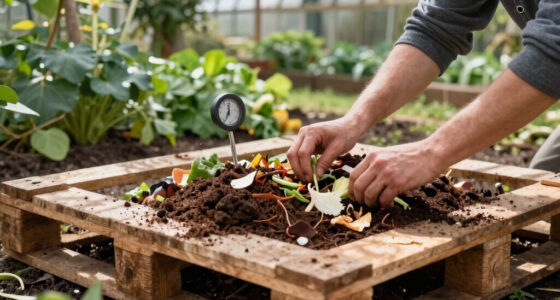
Amend soil with compost to boost fertility for spring planting.
Use weather apps and moisture sensors to time plantings and protect against cold snaps.
Focus on drought-tolerant natives and sustainable practices to conserve water.
February in the Low Desert: The Spring Planting Rush Explained
Moist soil, mild days and a fading frost threat create the desert garden’s most valuable planting window. Sow cool-season crops now, prepare warm-season seedlings and build resilience before intense heat arrives.
Why February changes everything
Plant too early and frost can erase weeks of work. Plant too late and seedlings face heat before roots are established. February balances moisture, warmth and time.
Mild air
Comfortable daytime temperatures stimulate growth without exposing new plants to the low desert’s punishing summer stress.
Stored moisture
Winter rain often leaves beds workable and hydrated, improving seed-to-soil contact while reducing early irrigation pressure.
Long runway
Young roots gain time to develop before extreme heat, lowering transplant shock and improving seasonal resilience.
What goes outside—and what waits
The rush is strategic, not indiscriminate. Cool-season crops can use the mild outdoor window; heat-loving vegetables should begin under protection.
Cool-season crops
These crops thrive in February’s mild conditions and can establish strong roots before warmer weather arrives.
Warm-season crops
Build healthy transplants indoors, then move them outside after the local frost danger passes.
Build the spring foundation
A productive desert garden starts beneath the surface. Preparation improves fertility, water retention and the efficiency of every planting decision that follows.
Test
Check soil condition, drainage and the sunlight available in each planting zone.
Amend
Mix in compost or organic matter to improve nutrients and moisture retention.
Clear
Remove weeds and dead material that may shelter pests or spread disease.
Plan
Match crops and natives to sun, water needs, mature size and seasonal timing.
Smarter, leaner and more resilient
February gardening increasingly combines climate-adapted plants, precision tools and lower-impact maintenance practices.
Native-first planting
Desert marigold, penstemon, native grasses and palo verde support local ecosystems while requiring less supplemental water.
Measure, then water
Moisture sensors, weather apps and planting calendars help prevent both overwatering and missed irrigation.
Work with ecology
Composting, crop rotation, beneficial insects and organic controls build healthier gardens with fewer chemical inputs.
February success checks
Use these field signals to decide whether to sow, protect, prepare or wait.
| Factor | February status | Recommended action | Why it matters |
|---|---|---|---|
| Frost risk | ~Low, not zero | Monitor forecasts and keep frost cloth ready. | A single cold snap can damage tender seedlings. |
| Soil temperature | ✓55–75°F target | Check the bed before sowing temperature-sensitive seed. | Suitable warmth improves germination speed and consistency. |
| Cool-season crops | ✓Direct sow | Plant lettuce, spinach, radish, carrot, broccoli and peas. | Mild weather supports roots and reduces heat stress. |
| Warm-season crops | ~Start indoors | Protect tomatoes, peppers and herbs until frost danger passes. | An indoor head start extends the productive season. |
| Pest pressure | ~Emerging | Scout early and use crop rotation or beneficial insects. | Fast detection prevents small problems becoming infestations. |
The February advantage is a connected system
Each benefit compounds the next: favorable conditions improve establishment, and strong establishment creates a more resilient spring garden.
Fast answers for the planting rush
Local elevation and microclimate still matter. Treat these answers as a practical baseline, then verify conditions in your own garden.
Can I plant tomatoes outdoors in February?
Usually not. Start them indoors now and transplant after frost danger passes, commonly in late March or early April.
How do I protect young plants from a cold snap?
Cover them with frost cloth before temperatures fall, secure the edges and continue checking the daily forecast.
Which low-water natives work well now?
Desert marigold, penstemon and palo verde are resilient choices suited to drought-smart low desert landscapes.
When should warm-season seedlings begin indoors?
Mid to late February gives tomatoes, peppers and herbs time to develop before hardening off and transplanting.
Why February Is the Sweet Spot for Planting in the Low Desert
February offers a perfect mix of weather and soil conditions that make planting easier and more successful. Temperatures stay mostly mild, usually between 55°F and 70°F during the day. That’s warm enough to kick-start seed germination without the risk of frost damage. Plus, winter rains often leave soils moist and ready to work with.
Imagine planting lettuce or carrots and watching them sprout in just a few days, thanks to those ideal soil temps. It’s like nature’s green light—go ahead and get those seeds in the ground. This timing minimizes stress on young plants, giving them a head start before the scorching summer hits.
Why does this matter? Because planting at the right time reduces the risk of seed failure and transplant shock. If you plant too early, frost can wipe out your seedlings; too late, and your plants might not develop enough before the heat arrives. February strikes a balance, offering a window of optimal conditions that can significantly improve your success rate and overall garden health.
As an affiliate, we earn on qualifying purchases.
What to Plant Now: Your Concrete Guide to February Gardening
February in the low desert is your window for cool-season crops. Here’s a quick list of what you should sow directly outdoors:
- Lettuce
- Spinach
- Radishes
- Carrots
- Broccoli
- Peas
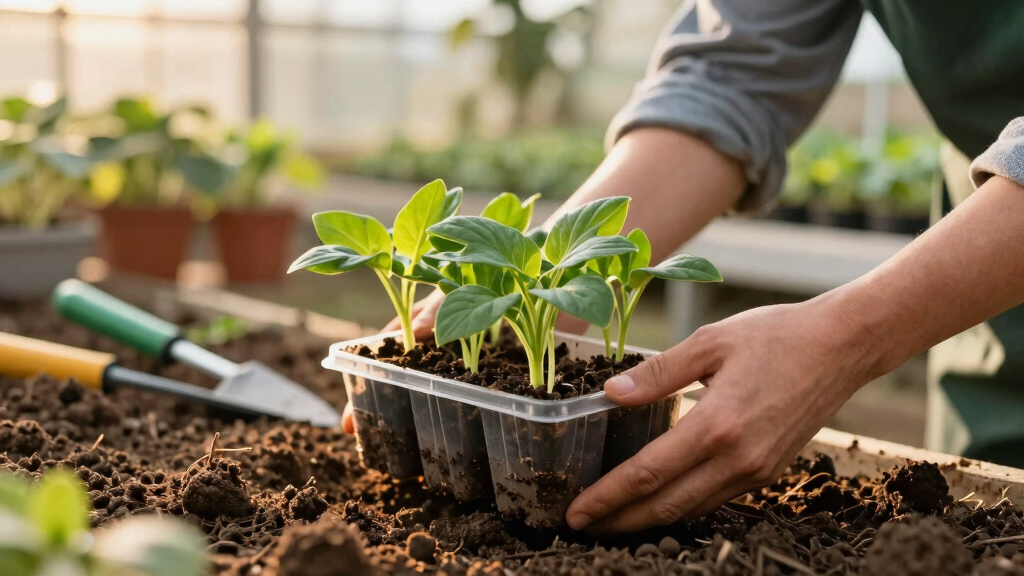
If you’re dreaming of warm-season veggies like tomatoes or peppers, hold tight. Start those indoors now or in a protected spot. Transplant them outside once the threat of frost is gone—usually in late March or early April.
Why does timing matter here? Because cool-season crops thrive in the mild temperatures of February, developing strong root systems before the heat stresses them. Conversely, warm-season plants require higher soil and air temperatures to grow properly. Starting warm-season crops indoors allows you to extend your growing season, giving plants a head start that can lead to earlier harvests and better yields. This strategic timing helps you optimize your garden’s productivity and resilience throughout the year.
soil moisture sensors for gardening
As an affiliate, we earn on qualifying purchases.
As an affiliate, we earn on qualifying purchases.
How to Prepare Your Garden for a Spring Explosion
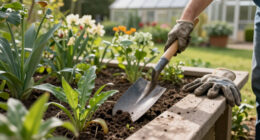
Getting your soil ready now makes all the difference. It’s simple: test, amend, and plan. First, check your soil’s health—mix in compost or organic matter to boost nutrients. Then, clear weeds and dead plant material to prevent pests and disease.
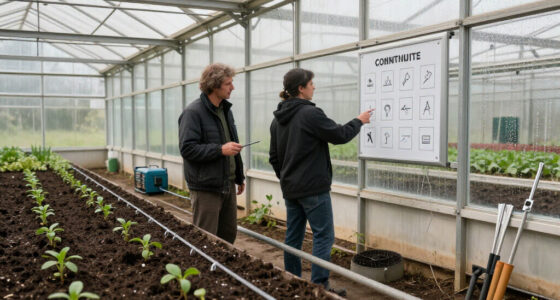
Next, sketch out your planting layout. Think about water-wise plants, native species, and how much sun each spot gets. Start some seedlings indoors—tomatoes, peppers, herbs—and keep them in a warm, bright spot.
Why does soil prep matter? Well, healthy soil acts as the foundation for vigorous growth. Amending soil with compost improves nutrient availability and water retention, which is crucial during the dry months ahead. Proper planning ensures that your garden layout maximizes space, sunlight, and water efficiency, reducing the need for supplemental watering and maintenance. Starting seedlings indoors early means you’re giving your plants a strong start, which translates into more resilient plants and a more productive garden overall. Investing time now in preparation can prevent many problems later, saving you effort and increasing your harvests.
native desert plants for landscaping
As an affiliate, we earn on qualifying purchases.
As an affiliate, we earn on qualifying purchases.
Trends and Tips That Are Changing February Gardening in the Low Desert
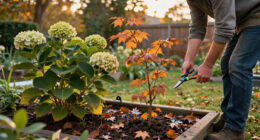
Garden trends in February now lean heavily toward water conservation and native plants. More folks are planting drought-tolerant natives like desert marigolds or palo verde trees. It’s all about smart watering and knowing your plants’ needs.
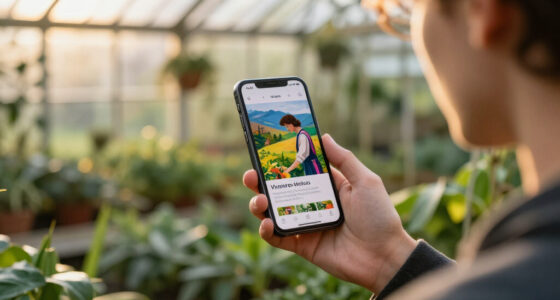
Technology helps too. Soil moisture sensors, weather apps, and online planting calendars keep you on schedule and prevent overwatering or underplanting. Plus, sustainable practices like composting and organic pest control are rising in popularity.
Why are these trends important? Because water is a precious resource in the low desert, and choosing native, drought-tolerant plants reduces water use while supporting local ecosystems. Using technology enables precise watering, avoiding waste and promoting healthier plants. These practices also foster resilience against droughts and climate variability, making your garden more sustainable and cost-effective in the long run. Adopting these trends means you’re not just gardening—you’re contributing to a healthier environment and ensuring your landscape remains vibrant even in challenging conditions.
As an affiliate, we earn on qualifying purchases.
Quick Facts to Keep in Mind for February Planting Success
| Fact | Details |
|---|---|
| Frost Risk | Low, but occasional cold snaps can still occur, so stay alert. |
| Soil Temperature | Ideal between 55°F and 75°F for most vegetables. |
| Planting Window | Direct sow cool-season crops now; start warm-season indoors. |
| Pest Prevention | Early planting can attract pests, but proactive management reduces damage. Use integrated pest management strategies, such as beneficial insects and crop rotation, to keep pests in check without relying solely on chemicals. Recognizing pest emergence early allows you to act swiftly, preventing infestations that could compromise your crop yields and plant health. |
Your Burning Questions About February Gardening Answered
Q: Can I plant warm-season crops now? Not quite. It’s best to start them indoors or in protected spots. Transplant them outside after the danger of frost passes, typically late March.
Q: How do I protect my plants from unexpected cold? Cover young plants with frost cloths or blankets when cold weather hits. Keep monitoring weather forecasts daily.
Q: What native plants thrive with less water in February? Desert marigolds, penstemon, and palo verde are drought-resilient choices that bloom early and need minimal watering.
Q: When should I start my seedlings indoors? Mid to late February is ideal for tomatoes, peppers, and herbs, giving them time to grow before transplanting.
Understanding these answers helps you plan effectively, reducing plant stress and ensuring you take advantage of the optimal planting window for a thriving garden all season long.
Frequently Asked Questions
Can I plant tomatoes outdoors in February?
Not quite. It’s best to start tomatoes indoors now and transplant them outside once the danger of frost has passed, usually late March or early April.What native plants are best for low water use in February?
Desert marigolds, penstemon, and palo verde are excellent choices—hardy, drought-tolerant, and blooming early in the season.How do I protect my young plants from unexpected cold snaps?
Cover them with frost cloths or blankets when cold weather is forecasted. Keep an eye on weather apps to stay ahead of sudden drops.Should I fertilize now?
Yes, light fertilization with organic compost or slow-release fertilizer supports healthy growth as plants develop in early spring.When should I start planting warm-season crops?
Begin indoors in late February or early March. Transplant outside once soil warms and the risk of frost is over, typically in late March.Conclusion
February in the low desert isn’t just about planting—it’s about seizing the moment when nature gives you a green light. Prep your soil, start seedlings indoors, and pick native, water-smart plants. That way, your garden will be primed for a vibrant, resilient spring.
As you look out over your yard, think of this month as the opening act for a lush season. With a little planning and some timely planting, you’ll be harvesting the rewards before summer’s heat even settles in.
Halloween Picks
halloween
As an affiliate, we earn on qualifying purchases.