
TL;DR

Get garden gear delivered free with Prime
- Fast, free delivery on millions of items
- Prime Video, Amazon Music and more included
- Member-only deals all year
Shading a west wall garden without blocking winter sun is possible using adjustable structures, deciduous plants, and smart design. Proper planning lets you enjoy summer relief without losing vital winter warmth and light.
Imagine this: a blazing hot late afternoon, the sun pounding down on your west-facing garden wall. You want relief from the heat, but not at the cost of winter sunlight that keeps your plants healthy and your space cozy. This isn’t about blocking all shade—it’s about clever, season-aware design.
In this guide, you’ll learn how to create flexible shading solutions that work with the sun’s movements, not against them. From natural plant choices to high-tech adjustable systems, you’ll get practical tips to keep your garden cool in summer and warm in winter.
Seasonal sun angles require adaptable shading solutions that can be modified throughout the year.
Deciduous plants are a natural, cost-effective way to block summer heat but let in winter sunlight.
Adjustable shading devices—like louvers or retractable awnings—offer the best flexibility for year-round control.
Position shading structures high enough to shade during summer but open enough to let winter sun in.
Use sun path analysis tools to plan effective, season-aware garden shading.
Shading a West Wall Garden Without Blocking Winter Sun
Summer relief does not have to mean winter darkness. Adjustable structures, deciduous planting and sun-path planning can cool a west-facing garden during blazing afternoons while preserving the low, warming sunlight plants and people need in winter.
One wall, two very different sun paths
Summer sun follows a higher arc and brings intense late-day heat. Winter sun sits lower and penetrates farther beneath open or elevated shade. The design challenge is to intercept the first path without permanently closing the second.
Block the high, hot afternoon exposure
Extend foliage, slats or fabric across the wall’s hottest zone. Prioritize the late afternoon, when west-facing surfaces absorb the strongest heat.
Open the path for low-angle warmth
Retract devices, rotate slats or rely on bare deciduous branches so low winter light can reach the wall, planting beds and seating zone.
Build flexibility into the shade
The strongest designs change with the season. Choose one adaptable method or layer natural and mechanical systems for finer control and greater resilience.
Adjustable devices
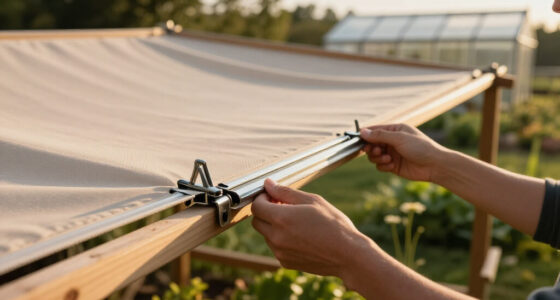
Use motorized louvers, movable pergola slats or retractable awnings. Close them during peak summer hours and open them for winter warmth.
Tradeoff: Precise control versus higher purchase and maintenance costs.Deciduous vines and trees
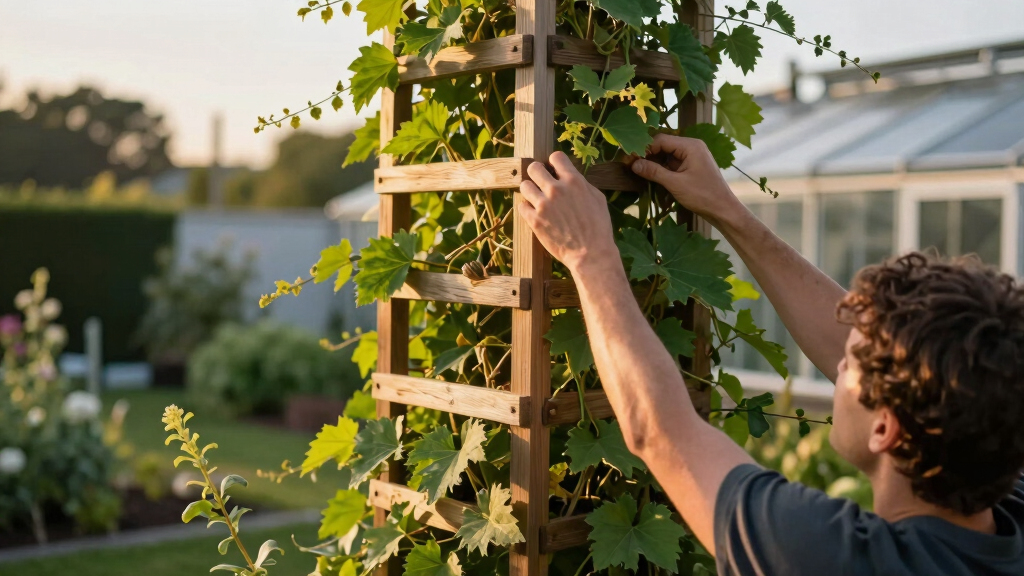
Train summer-leafing species on a trellis or place a deciduous tree where its canopy intercepts the late-day sun.
Tradeoff: Low operating cost versus growth time, pruning and species care.Slatted screens
Angle lattice or slats to filter the high summer path. Seasonal tilt mechanisms improve performance without full automation.
Tradeoff: Economical materials require accurate angle and height planning.Deciduous green walls
Dense seasonal foliage cools the wall and nearby air while adding habitat and visual richness. Dormancy opens the surface to winter sunlight.
Tradeoff: Ecological value comes with irrigation, support and plant-care needs.Combine natural + mechanical shade
Pair a deciduous canopy with adjustable louvers or an awning. The planting handles broad seasonal change; the device fine-tunes daily comfort.
Tradeoff: Maximum adaptability requires coordinating two systems.Natural or mechanical?
Neither approach wins every category. Natural shade is affordable and self-adjusting across seasons; mechanical shade delivers immediate, exact control.
| Feature | Natural shading | Mechanical shading |
|---|---|---|
| Seasonal flexibility | Deciduous plants naturally shed leaves, but pruning and maturity affect performance. |
Louvers and awnings can respond immediately to seasonal or daily conditions. |
| Initial cost | Planting and support structures are generally moderate investments. |
Materials, installation, controls and automation increase upfront expense. |
| Durability | Plant health depends on climate, irrigation, pests and maintenance. |
Weather-resistant systems perform reliably but moving parts need servicing. |
| Design control | Growth habits and available rooting space shape the final result. |
Angles, timing and coverage can be customized to the site. |
| Best fit | Ideal for gardeners seeking biodiversity and low-energy seasonal adaptation. |
Ideal where immediate comfort and dependable adjustment are priorities. |
Match the system to your priorities
Relative scores illustrate each option’s practical level of seasonal control. Final performance depends on local latitude, wall height, exposure, installation geometry and plant health.
Seasonal control potential
Relative design flexibility, from passive to highly adjustableDesign principle: Greater adjustability offers more precise control, while passive planting can achieve excellent results with less technology.
Plant palette
Choose deciduous species suited to your climate and support structureFrom sun path to year-round comfort
A successful solution follows a clear sequence: observe the site, choose the seasonal response, position it accurately and verify the result before committing.
Map the sun
Record summer and winter afternoon paths.
Set geometry
Calculate shade height, reach and slat angle.
Select layers
Choose planting, structure or a combination.
Enable change
Plan retraction, rotation, leaf drop or removal.
Verify comfort
Test shade coverage and winter penetration.
Shade should be a seasonal setting, not a permanent wall.
Properly designed adjustable elements and deciduous plants can reduce summer heat gain by more than 50% while preserving essential winter light.
How the sun moves and why it matters for shading your garden
The sun’s path changes drastically between summer and winter. In summer, the high arc of the sun floods your west wall with intense afternoon light, which can cause overheating and stress for plants not adapted to such heat. Conversely, in winter, the lower angle of the sun allows sunlight to penetrate deeper into your garden, providing essential warmth and light that sustain plant growth and extend outdoor comfort.
Understanding this shift is crucial because it influences how you design shading. For example, a fixed structure that blocks summer sun might inadvertently block winter sunlight if not carefully planned. Conversely, a dynamic shading system that responds to the sun’s position enables you to optimize conditions for plant health and comfort year-round. The tradeoff lies in balancing the complexity and cost of such systems against the benefits of improved seasonal control. Properly addressing this means your garden can avoid overheating in summer while still benefiting from winter sunlight, ultimately supporting healthier plants and more comfortable outdoor spaces.
As an affiliate, we earn on qualifying purchases.
5 smart ways to shade your west wall garden without losing winter sun
- Use adjustable shading devices: Installing motorized louvers, retractable awnings, or pergolas with movable slats allows you to tailor shading based on the season. For instance, a homeowner in Arizona added motorized louvers that open during winter mornings to let in sunlight and close during peak summer hours to block intense heat. This adaptability reduces cooling costs and prevents winter sun blockage, but it requires investment in automation technology and regular maintenance. The tradeoff involves balancing initial costs with long-term energy savings and comfort.
- Plant deciduous vines and trees: Climbing plants like Virginia creeper or trumpet vine naturally provide dense summer shade as they grow leaves. In winter, as they shed leaves, they reveal the wall and allow sunlight to penetrate. Choosing the right species and positioning them correctly—such as high on trellises or along walls—ensures they shade when needed but don’t block winter sun. The key is understanding growth patterns and maintenance needs, which can influence your long-term garden design and plant health.
- Opt for slatted screens or lattice panels: These structures can be designed to be adjustable or seasonally tilted. For example, installing a wooden lattice at an angle that can be changed seasonally allows you to block high summer sun while opening up in winter. The tradeoff involves the effort and cost of creating adjustable mechanisms versus fixed panels. Properly angled slats can be a cost-effective way to balance summer shading with winter sunlight, but they require careful planning to ensure effective seasonal adjustment.
- Incorporate green walls with deciduous plants: Living walls that feature seasonal plants act as natural, dynamic shades. During summer, dense foliage cools the wall and air around it, reducing heat gain. In winter, shedding leaves and seasonal dormancy allow sunlight to reach the wall and your garden. This approach not only offers natural shading but also adds aesthetic value and biodiversity. The tradeoff involves ongoing plant maintenance and potential initial costs for installation, but the benefits include a sustainable, eco-friendly shading method that adapts with the seasons.
- Combine natural and mechanical solutions: Integrating natural shading like trees and vines with mechanical devices such as adjustable awnings or louvers provides a layered approach. This combination offers flexibility, redundancy, and fine control over sunlight and heat. For example, planting a deciduous tree for summer shading paired with an automated louver system ensures you can fine-tune shading based on real-time conditions. The tradeoff is managing multiple systems and costs, but the result is a highly adaptable and resilient shading strategy that maximizes seasonal benefits.
As an affiliate, we earn on qualifying purchases.
Comparison: Natural vs. Mechanical Shading for West Walls
| Feature | Natural Shading | Mechanical Shading |
|---|---|---|
| Seasonal flexibility | High—deciduous plants shed leaves in winter, naturally adapting to seasonal needs, but they require time to grow and may need pruning to maintain effectiveness. | Very high—adjustable systems respond instantly to seasonal changes, offering precise control but at higher initial costs and complexity. |
| Cost | Lower—initial planting costs are moderate, and maintenance is generally minimal if plants are well chosen and maintained. | Higher—initial investment in automation, materials, and installation, with ongoing energy or maintenance costs. |
| Durability | Depends on plant health, climate, and maintenance; plants can be affected by pests, drought, or disease, which may reduce effectiveness over time. | Designed for weather resistance; mechanical parts may require repairs or adjustments over time, but generally offer consistent performance if properly maintained. |
| Design flexibility | Limited by plant growth habits and space; some plants may grow unpredictably or require support structures. | Highly customizable with modern technology, allowing precise control of shading angles and timing, but may involve complex installation. |
As an affiliate, we earn on qualifying purchases.
Choosing the right plants to block summer heat without blocking winter sun
Deciduous plants are your best allies. Think of a tall, fast-growing trumpet vine or Virginia creeper. They provide dense shade during scorching summer afternoons, but in winter, they shed leaves, letting sunlight pour through. This natural cycle is essential because it leverages the plant’s growth and shedding to serve seasonal needs without manual intervention.
Plant these along a trellis or wall-mounted grid, positioned high enough to shade most of the wall in summer but open enough in winter. Proper placement ensures that during summer, the dense foliage provides maximum shade, reducing heat stress and cooling costs. In winter, the leafless branches allow sunlight to warm your space naturally, reducing heating needs. For example, a gardener in Phoenix trained a trumpet vine on a pergola to shade her patio, which kept temperatures 10°F cooler in summer while still warming the space in winter. The tradeoff involves selecting the right species, managing growth, and ensuring they don’t overgrow or block desired views, but the benefits include a sustainable, low-cost seasonal shading method that enhances biodiversity and aesthetic appeal.
As an affiliate, we earn on qualifying purchases.
Design tips to maximize winter sun while shading in summer
- Position shading structures high enough—at least 8-10 feet—to cast summer shade without blocking low winter sun. This elevation allows you to shade the high summer sun while letting the lower winter rays reach your garden, optimizing seasonal benefits.
- Use open or adjustable elements—like slatted wood or metal panels—that can be tilted or moved seasonally. This flexibility enables you to adapt to sun angles without constructing new structures each season.
- Combine natural and artificial shading for layered protection—shade cloths with plantings, for example. This redundancy ensures that if one method underperforms, the other compensates, providing a more consistent environment for plants and comfort.
- Take a sun path analysis – many free apps can help you visualize how the sun moves through your space. This insight allows precise placement and angling of shading devices to maximize winter sun exposure while minimizing summer heat gain.
Latest in shading tech: automation and eco-friendly options
Smart shading systems are gaining ground. Automated louvers and retractable awnings can respond to sunlight and weather conditions, opening in winter and closing in peak summer. For example, a homeowner installed solar-powered motorized panels that adjusted based on real-time sunlight data, reducing cooling costs by 40%. These systems can be programmed to respond to specific thresholds, ensuring optimal shading without manual intervention. This technology not only provides convenience but also enhances energy efficiency and plant health by maintaining ideal conditions year-round.
Eco-friendly materials—recycled wood, biodegradable shade fabrics—are also making a splash. These options not only shade effectively but also align with water-wise, desert-friendly principles. Choosing sustainable materials reduces environmental impact and can improve the overall resilience and aesthetic of your shading solutions. The tradeoff involves initial costs and availability, but the long-term ecological benefits and reduced maintenance often outweigh these considerations.
Frequently Asked Questions
How can I shade my west wall garden without blocking the winter sun?
Use adjustable shading devices like retractable awnings or louvers, and plant deciduous vines or trees that shed leaves in winter. Combining both natural and mechanical solutions gives you flexible control over seasonal sunlight.What materials work best for seasonal shading?
Lattice panels, slatted wood, or metal screens with adjustable angles are effective. Green walls with deciduous plants are also excellent, offering natural cooling in summer and transparency in winter.Can I automate my shading for seasonal changes?
Absolutely. Smart systems with sensors can automatically adjust louvers or awnings based on sunlight and weather, making seasonal shading effortless and precise.What’s a good natural shading method for a desert garden?
Plant deciduous trees or climbing plants that provide summer shade but shed leaves in winter, like trumpet vine or Virginia creeper—natural, water-wise options that fit desert gardens well.Any quick tips for designing a season-smart west wall garden?
Position shading structures high enough to avoid blocking low winter sun, use open or adjustable elements, and combine natural and artificial shading for maximum flexibility.Conclusion
Shading your west wall garden without blocking winter sun is a game of smart choices. Mix natural deciduous plants with adjustable structures, and you’ll enjoy cool summers and warm winters in your outdoor space.
Think of your garden as a living, breathing shield—one that responds to the seasons with a little planning and some clever design. Your plants and your comfort will thank you for it.
Halloween Picks
halloween
As an affiliate, we earn on qualifying purchases.