TL;DR
You can build a lightweight, removable PVC shade frame over your raised bed to shield plants from intense sun and heat. Using simple materials and clever design, it’s easy to install, adjust, and remove—perfect for desert gardening’s tough conditions.
Sun beating down on your raised beds can turn your garden into a furnace faster than you expect. Without shade, heat stress stunts plants, weakens yields, and shortens your growing season. But building a sturdy, removable shade frame doesn’t have to be complicated or costly.
In this guide, you’ll learn how to craft a simple PVC frame that shields your plants while remaining flexible and easy to adjust. Whether you’re protecting seedlings or mature crops, this DIY setup can adapt to your needs—and withstand the desert sun.
Use 1/2-inch or 3/4-inch UV-resistant PVC pipes for durability and ease of assembly.
Design the frame with quick-release fittings or clips for easy removal or adjustments.
Choose shade cloth with 30-50% shading and breathable, UV-resistant fabric for best plant protection.
Secure the frame with ground anchors or stakes to prevent toppling in windy conditions.
Regular maintenance, like cleaning the shade fabric and inspecting PVC for cracks, prolongs the structure’s life.
Building a Removable PVC Shade Frame Over a Raised Bed
A lightweight PVC canopy can turn a sun-baked raised bed into a cooler, more resilient growing space. The best design combines breathable shade, secure anchoring and tool-free removal—protecting crops without locking your garden into a permanent structure.
Practical balance of weight and rigidity.
A common footprint for planning materials.
Allows useful overhang on a 4 × 8 bed.
Measure, connect, arch, anchor and cover.
Start with a light, durable kit of parts
PVC is inexpensive, easy to cut and simple to reconfigure. UV-resistant components and breathable fabric matter most in intense sun, while removable fasteners keep the structure adaptable.
UV-resistant PVC
Use ½-inch pipe for maximum portability or ¾-inch pipe when extra stiffness is worth the added weight. Include elbows, T-joints and caps.
Breathable shade cloth
Select UV-resistant woven fabric rated for 30–50% shade. Leave enough overhang for tensioning without pulling the material excessively tight.
Clips, ties and anchors
Use reusable clips or bungees for the cloth, clamps for the frame and stakes or weighted bases where wind could shift or lift the canopy.
Five moves from bare bed to shaded canopy
Accuracy at the beginning prevents wobble later. Build a fitted perimeter, distribute load with arches, anchor the structure and tension the cloth without overstressing it.
Measure & cut
Record bed length, width and desired clearance. Cut paired pieces to equal dimensions.
Form the base
Connect the rectangular perimeter with elbows and check that it sits squarely over the bed.
Add arches
Place T-joints along both sides and bend matching PVC supports across the bed.
Anchor firmly
Clamp to bed edges or connect to stakes so wind cannot slide, twist or lift the frame.
Clip the cloth
Apply even tension: firm enough to stop flapping, relaxed enough to avoid tearing.
Curved supports shed rain, reduce sharp pressure points and spread forces more evenly than a flat, unsupported span.
Match the specification to the site
There is no universal configuration. Portability favors lighter components; exposed gardens benefit from thicker pipe, additional arches and stronger anchoring.
| Choice | Easy to move | Wind resistance | Best application | Verdict |
|---|---|---|---|---|
| ½-inch PVC | ✓ High | ~ Moderate | Short spans and sheltered beds | Best for portability |
| ¾-inch PVC | ~ Moderate | ✓ Higher | Taller frames and exposed sites | Best all-round strength |
| Fixed zip ties | ✗ Low | ✓ Secure | Long seasonal installations | Cheap but less adjustable |
| Clips or bungees | ✓ High | ~ Varies | Fast weather response | Best for removability |
| No anchors | ✓ High | ✗ Poor | Not advised outdoors | Unsafe in gusty weather |
Dial in protection without trapping heat
Shade percentage measures blocked sunlight. In many raised-bed applications, the 30–50% range creates meaningful relief while breathable fabric and open sides preserve airflow.
Common shade-cloth options
Relative sunlight blocked by each fabric rating.
The practical sweet spot
Begin near the middle, then adjust for crop sensitivity, season and local heat.
Build the escape routes into the design
A removable frame should separate at predictable points. Keep the main pieces light, avoid permanent glue at service joints and make fabric attachment possible without tools.
Snap-fit connections
Dry-fit or quick-release joints let arches separate from the perimeter for compact seasonal storage.
Reusable cloth clips
Clips, hooks and bungees make it possible to strip the canopy quickly before a dust storm or high-wind event.
Detachable anchors
Use clamps, sleeves or pin connections that hold firmly in service but release without dismantling the raised bed.
Small choices shape the whole microclimate
The frame is more than a fabric holder. Each design decision influences temperature, airflow, plant stress and the useful length of the growing season.
Maintain it before the sun and wind do damage
Unprotected PVC may degrade after prolonged exposure, while dusty fabric gradually loses effectiveness. Brief seasonal maintenance can turn a temporary structure into a multi-year garden asset.
Fast answers before you build
Use these practical checks to refine the frame for your bed, climate and preferred level of seasonal flexibility.
How do I stop the frame toppling in wind?
Secure it to bed edges, driven stakes or weighted bases. Add more anchor points on exposed sides and remove the cloth before severe gusts.
Can I build it without special tools?
Yes. A measuring tape and PVC saw are usually sufficient; snap-fit connectors and reusable clips keep drilling and permanent fastening to a minimum.
How much fabric overhang should I allow?
Allow enough material to reach attachment points without stretching. A 10 × 12 ft cloth is a useful reference for many 4 × 8 ft beds.
What new features can I add later?
Modular bays, removable side panels, adjustable vents, weighted feet, misters or solar-powered fans can expand the basic structure.
How often should I inspect the structure?
Check it seasonally and after strong winds. Replace cracked fittings early, clean accumulated dust and inspect clips for wear.
Is PVC suitable around food crops?
PVC is widely used for outdoor structures. Keep it from direct contact with edible plant parts if chemical-leaching concerns remain.
How to Choose the Right PVC Pipes and Shade Cloth for Your Garden
Starting with the right materials is key. PVC pipes, usually 1/2-inch or 3/4-inch diameter, strike a balance between strength and lightness. For a typical raised bed measuring 4×8 feet, using 10-foot pipes allows enough length for both the sides and arch supports.
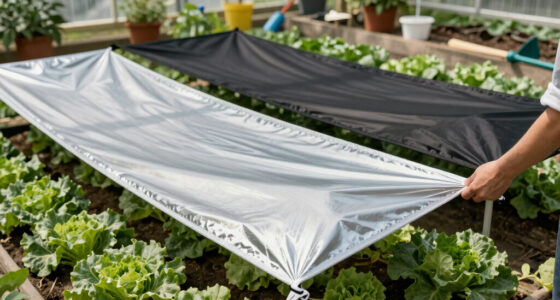
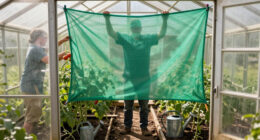
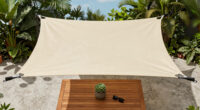
Shade cloth blocks 30-50% of sunlight, providing crucial relief. Pick UV-resistant, breathable fabric to prevent overheating underneath. For a 4×8 bed, a 10×12-foot cloth with some overhang works well, giving you room to secure it tightly without sagging.
Don’t forget fasteners—zip ties or clips make attaching the cloth straightforward. And if you want extra stability, consider ground anchors or stakes, especially in windy spots.
Choosing the right materials isn’t just about immediate convenience; it affects your garden’s microclimate. Properly selected PVC and shade cloth can significantly reduce heat stress, which means healthier plants and potentially longer growing seasons. Consider the tradeoff between sturdiness and weight—thicker pipes last longer but are harder to handle, while lighter pipes are easier for quick adjustments but may need reinforcement in windy conditions.
UV resistant PVC pipe for garden shade frame
As an affiliate, we earn on qualifying purchases.
As an affiliate, we earn on qualifying purchases.
Step-by-Step: Building Your PVC Shade Frame in 5 Easy Moves
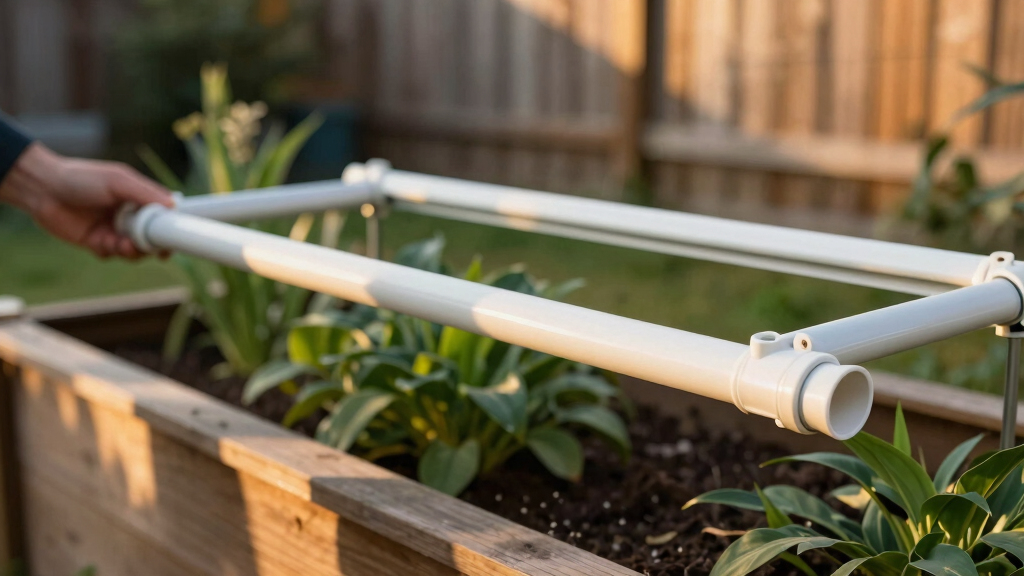
- Measure your bed carefully and cut PVC pipes to the necessary lengths—two for the length sides, two for the width, and additional pieces for the arches. Precise measurements ensure your frame fits securely and evenly distributes stress, reducing wobbling or sagging.
- Connect the corners with elbow joints, forming a rectangle that spans the bed. Secure connections matter; tight fittings prevent wobbling, which can compromise the shade cloth and frame stability.
- Add arch supports by connecting T-joints to the rectangle’s sides, then attaching curved PVC pieces or bending pipes for arches. The curvature is essential for shedding rain and wind, but it also distributes weight more evenly, reducing pressure points that could crack the pipes.
- Secure the frame to the bed edges with clamps or stakes to prevent shifting during wind or storms. This anchoring step is crucial; a loose frame can become a dangerous projectile or damage your crops.
- Attach the shade cloth using zip ties or clips, ensuring it’s tight enough to prevent flapping, which can cause tearing, but not so tight that it stresses the fabric or frame. Proper tension prolongs the lifespan of your shade and maintains its effectiveness.
Imagine a sturdy, lightweight dome stretching over your plants, ready to come off easily when storms hit or seasons change. Taking the time to measure and secure each component carefully ensures your structure performs well over time, saving you from frequent repairs or adjustments.
removable garden shade cloth 30-50%
As an affiliate, we earn on qualifying purchases.
As an affiliate, we earn on qualifying purchases.
Making Your Shade Frame Removable and Easy to Adjust
The secret to a flexible shade setup? Use quick-release fittings or clamps. These let you detach the shade cloth in seconds, which is vital during unexpected weather changes or seasonal adjustments. Think of it as giving your garden a ‘sun hat’ that you can put on or take off without hassle.
Design the frame so it’s lightweight enough to lift or slide off without excessive effort. Incorporate hooks, ties, or clips on the frame and fabric for fast, tool-free adjustments. This flexibility allows you to respond quickly to weather forecasts or plant needs, minimizing stress on your crops and your back.
For example, a gardener I know built a frame with snap-fit connectors and used bungee cords to hold the shade fabric. When a dust storm rolled in, she simply unclipped everything and stored the shade inside—ready for next time. This approach emphasizes practicality; it’s about making adjustments that are quick, safe, and preserve the integrity of your materials. The ability to easily remove or reposition your shade can extend the lifespan of both the fabric and the PVC, saving money and effort in the long run.
garden ground stakes for shade structure
As an affiliate, we earn on qualifying purchases.
As an affiliate, we earn on qualifying purchases.
How to Keep Your PVC Shade Frame Lasting in the Desert Sun
UV-resistant PVC is a must—without it, the pipes can degrade in 2-3 years due to constant sun exposure. Regular inspections are essential; look for cracks, warping, or discoloration that can weaken the structure. Addressing minor damage early prevents complete failure later on. Wipe down the shade cloth with a gentle soap and water every season; dirt and dust accumulation reduce its shading effectiveness and can cause deterioration over time.
Remove or fold up the fabric during storms or high winds to prevent tearing or damage. Ground anchors or weighted bases provide extra stability, especially in windy conditions. Think of your frame as a living component of your garden—ongoing maintenance is what keeps it resilient. Simple steps like repainting or sealing PVC with UV protectant sprays can significantly extend its lifespan, turning a short-term project into a multi-year investment. The tradeoff here is effort versus longevity: a little regular upkeep can save money and prevent frustration later.
quick release fittings for PVC garden frame
As an affiliate, we earn on qualifying purchases.
As an affiliate, we earn on qualifying purchases.
What’s New? Fresh Ideas in PVC Shade Frame Design
Modern designs focus on modularity—adding or changing sections as your garden grows. Adjustable vents or panels improve airflow, preventing your plants from overheating underneath. Incorporating features like removable side panels or adjustable roof sections allows you to customize the shade intensity and ventilation based on weather conditions or plant growth stages.
Some gardeners are experimenting with recycled materials or biodegradable fabrics, making their shade structures more eco-friendly. Enhanced stability features like weighted bases or ground stakes also help in windy conditions, and integrating solar-powered fans or misters can further improve microclimate control.
Many online plans now include detailed, step-by-step instructions, making DIY projects accessible even for beginners. Think of these innovations as a way to upgrade your basic structure into a smart, adaptable system that responds to your garden’s changing needs—and your environmental concerns.
Frequently Asked Questions
How do I ensure the PVC frame stays stable in high winds?
Secure the frame with ground stakes or weighted bases and attach it firmly to the bed edges. Regularly check for movement, especially during storms, and reinforce as needed.What size shade cloth should I buy for a 4×8 raised bed?
Choose a shade cloth at least 1-2 feet larger than your bed on each side—so a 10×12-foot piece—so it can overhang and be easily attached without sagging.Can I build this without special tools?
Yes. A handsaw or pipe cutter, a drill, and basic tools like pliers or screwdrivers make assembly straightforward. Many PVC connectors snap together or require minimal effort.How often should I remove or adjust the shade fabric?
Inspect weekly, especially after storms or high winds. Remove or loosen the fabric to prevent tearing, and store it during off-seasons or extreme weather.Is PVC safe for food gardening?
Generally, PVC is safe for outdoor use, but avoid direct contact with edible plant parts if concerned about chemical leaching. Use food-safe PVC if you plan to have close contact with edible crops.Conclusion
A well-built, removable PVC shade frame transforms your garden into a resilient oasis in the desert heat. It’s simple, affordable, and adaptable—making hot days less stressful for your plants and you.
Think of this project as giving your garden a versatile hat—easy to put on and take off, ready to shield your plants from the worst of the sun. With a little planning and some basic tools, you’ll extend your growing season and enjoy healthier, happier plants all summer long.