
TL;DR
Play games included with Prime
Start a Prime free trial and play with Amazon Luna on your devices.
Start playingAs an affiliate, we earn on qualifying purchases.
Refreshing last season’s potting soil involves assessing its condition, enriching it with organic amendments, and sterilizing if needed. This process boosts nutrients, improves drainage, and prepares your containers for early planting.
Test your old potting soil for odors, compaction, and drainage issues before deciding to refresh.
Mix in organic compost and amendments like perlite or coconut coir to restore nutrients and improve structure.
Sterilize heavily infested soil by baking or solarizing to eliminate pests and pathogens.
Add microbial inoculants or compost after sterilization to restore beneficial soil life.
Refresh your soil in February to get a head start on early planting and ensure healthy container growth.
How to Tell if Your Potting Soil Is Still Good or Needs a Refresh
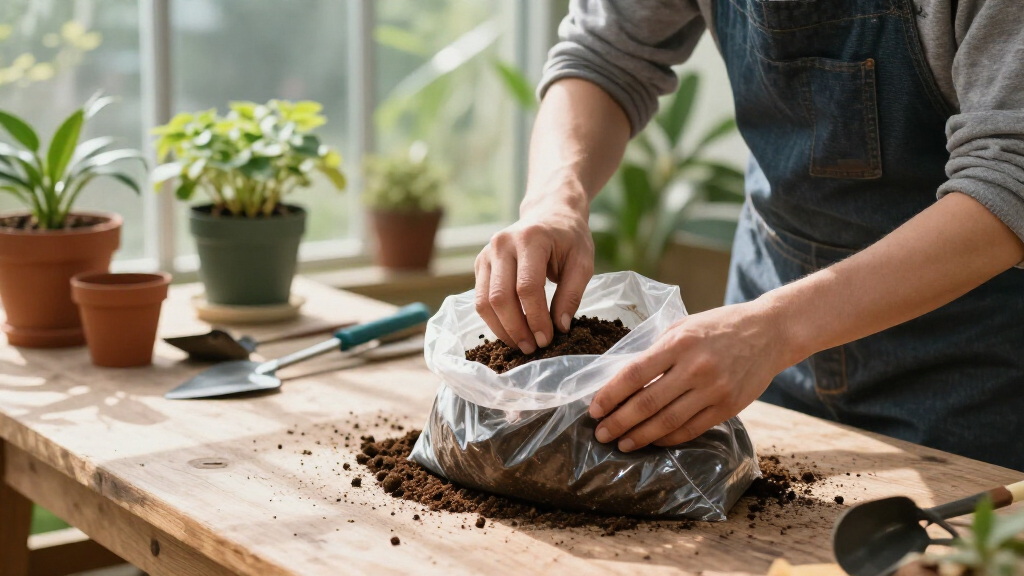
First, give your soil a quick inspection. If it smells musty or sour, it’s time for a refresh. Look for clumps that won’t break apart and notice if drainage feels sluggish. If roots are rotting or pests are lurking, those are clear signs it’s time to act.
For example, last February, I pulled out my containers and found a foul smell and a crust on the soil surface. That’s a dead giveaway — old, compacted soil that needs a serious upgrade.
Checking soil health is like a health check for your garden. If it’s compacted, drains poorly, or smells off, refresh it before planting again.
As an affiliate, we earn on qualifying purchases.
Step-by-Step Guide to Refreshing Last Season’s Potting Soil
- Remove any large debris, roots, or pests from the old soil.
- Break up clumps to aerate the soil and improve drainage.
- Mix in 25-50% fresh organic compost to boost nutrients.
- Add amendments like perlite or coconut coir to improve aeration and moisture retention.
- If necessary, sterilize heavily infested soil by baking at 180°F for 30 minutes or solarizing it under plastic during a hot day.
For example, last February, I baked some old soil and added compost and perlite. The result? A fluffy, nutrient-rich base ready for seedlings.
This process is like giving your soil a spa day — it’s clean, refreshed, and ready to support healthy roots.
As an affiliate, we earn on qualifying purchases.
What to Add to Your Old Soil for a Nutrient Boost
| Amendment | Purpose |
|---|---|
| Organic compost | Restores nutrients and improves soil structure. It introduces vital organic matter that decomposes over time, releasing essential nutrients. This process is crucial because nutrients in soil degrade and become less available to plants, especially after a season of growth. Incorporating compost also enhances microbial activity, which naturally supports plant health. Without adequate nutrients, plants can become weak, show signs of deficiency, or grow slowly, reducing your harvest or aesthetic appeal. Conversely, over-amending can lead to nutrient imbalances or excess salts, which can harm roots. Striking the right balance ensures a healthy, resilient soil ecosystem. |
| Perlite or vermiculite | Enhances aeration and drainage. These amendments prevent soil compaction, which can suffocate roots and lead to root rot. Better aeration ensures roots have access to oxygen, facilitating healthy growth and nutrient uptake. Proper drainage also reduces the risk of waterlogged roots that can cause diseases. However, too much perlite or vermiculite can make the soil too airy or drain excessively, stressing plants that prefer moisture. Adjust the amount based on your plant needs and container size to maintain a balanced environment. |
| Coconut coir | Retains moisture without compaction. Coconut coir helps maintain consistent moisture levels, essential for seedlings and container plants, while avoiding the sogginess that can occur with heavy soils. It also improves soil texture, making it easier for roots to penetrate and establish. Overuse of coir can lead to overly moist conditions, promoting mold or root diseases if not balanced with drainage amendments. Using it judiciously helps create a moisture-retentive yet well-draining medium, supporting healthy root development. |
| Slow-release fertilizer | Provides steady nutrients over time. Unlike quick-release fertilizers, slow-release options ensure plants receive a consistent supply of essential nutrients, reducing the risk of deficiencies or overfeeding. This is especially important in container gardening where nutrients can deplete quickly. However, overapplication can cause nutrient buildup, potentially leading to root burn or environmental runoff. Applying the correct amount based on your plant’s needs and the size of your container ensures sustained growth without excess. |
For example, I mix in a cup of compost per gallon of old soil, add a handful of perlite, and sprinkle a slow-release fertilizer. This creates a balanced mix that supports plants for months.
Using organic amendments aligns with water-wise practices, keeping your garden healthy without overloading the environment.
As an affiliate, we earn on qualifying purchases.
Why Sterilizing Old Soil Can Save Your Plants
Sterilizing old soil kills pests, fungi, and bacteria that can harm new plants. Baking in the oven at 180°F for 30 minutes is effective, but solarization under plastic on a sunny day also works. It’s especially handy if you’ve had persistent pests or diseases.
Last spring, I sterilized a batch of soil and avoided a pest outbreak that usually plagues my tomatoes. It’s a simple step that can save you from bigger headaches later.
Just remember: sterilized soil lacks beneficial microbes, so add organic compost or microbial inoculants afterward to restore soil life. This is a critical tradeoff—while sterilization eliminates harmful organisms, it also removes helpful microbes. Therefore, reintroducing beneficial microbes after sterilization is essential for soil health and plant vigor. Otherwise, your plants might struggle to establish a healthy root system or resist diseases, as the natural microbial balance has been disrupted.
microbial inoculants for soil health
As an affiliate, we earn on qualifying purchases.
As an affiliate, we earn on qualifying purchases.
Timing Your Soil Refresh for the February Garden Boost
Late winter, especially February, is the ideal time to refresh soil for early planting because it aligns with the natural cycle of preparing your garden before the active growing season begins. The soil is still relatively dormant, making it easier to amend without disturbing existing microbial communities too much. Additionally, early soil preparation allows you to start seedlings indoors or transplant hardy greens outside as soon as conditions are suitable, giving your garden a head start. Waiting too long risks missing the window for early crops, which can reduce your overall harvest or delay blooming.
For instance, I refresh my containers in mid-February so I can start seedlings indoors or transplant early greens outside as soon as the weather cooperates. It’s about getting ahead of the season.
Remember, soil prep now means healthier plants and a more productive garden when the days warm up.
Frequently Asked Questions
How often should I refresh my potting soil?
Generally, refresh your soil at the start of each planting season, especially if it’s been used for more than a year or shows signs of degradation. In containers, it’s best to renew or amend soil every 1-2 seasons for best results.Can I reuse old potting soil for indoor plants?
Yes, but always check for pests, odors, and compaction first. Amend with compost and sterilize if needed to keep your indoor plants healthy and avoid introducing pests or diseases.What’s the safest way to sterilize soil at home?
Baking soil in the oven at 180°F for about 30 minutes is effective and safe if you monitor the temperature carefully. Solarization under plastic during a hot sunny day is a chemical-free alternative, especially for larger batches.How do I know if my soil needs more nutrients?
Look for poor plant growth, pale leaves, or slow development. Using a soil testing kit can tell you pH and nutrient levels, guiding your amendments for a balanced, nutritious base.Should I buy new soil or refresh old soil?
It depends on the soil’s condition. If it’s heavily infested or very degraded, replacing it might be better. Otherwise, a good refresh with compost and amendments can extend its life and support healthy plants.Conclusion
Revitalizing last season’s potting soil isn’t just about saving money — it’s about giving your plants a fresh start. A simple mix of compost, amendments, and sterilization can turn tired soil into a thriving foundation for your garden’s next chapter. Think of it as giving your containers a springboard into healthy, productive growth.NFL season / tailgating Picks
team gear
As an affiliate, we earn on qualifying purchases.