TL;DR
Listen free for 30 days with Audible
Thousands of audiobooks and originals — cancel anytime.
Start your free trialAs an affiliate, we earn on qualifying purchases.
Shading your container pots reduces root temperatures by up to 10°C, preventing heat stress. Combining shading with proper watering and placement keeps plants healthier and longer-lasting during heatwaves.
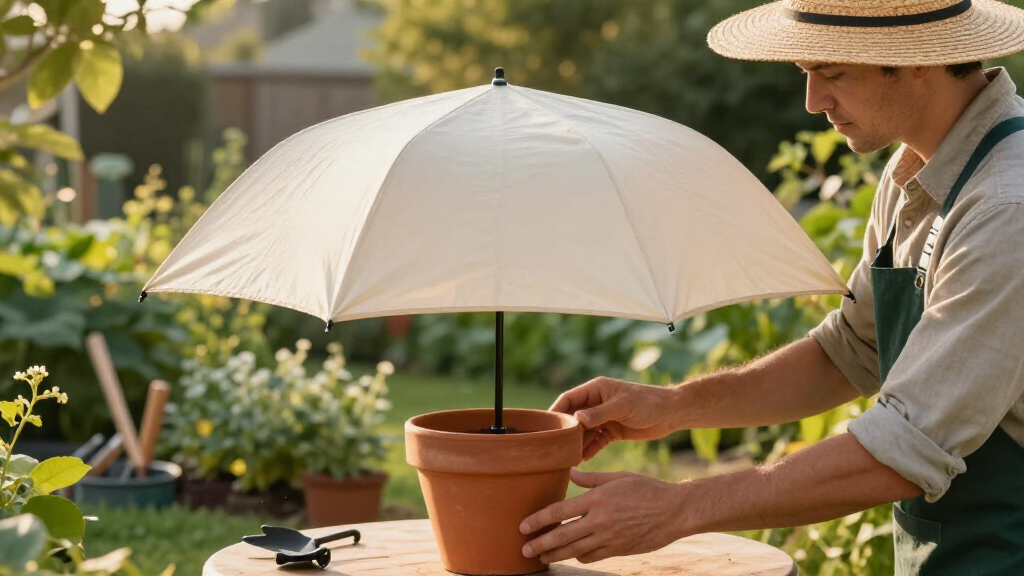
Most gardeners focus on watering and fertilizing, but few realize the real heat stress happens below ground. When containers sit in blazing sun, their roots can overheat quickly, impairing nutrient absorption and growth. The simple trick? Shade the pot itself. It’s a game-changer for keeping plants healthy during scorching days.
In this guide, you’ll learn why container shading matters, how to do it effectively, and recent innovations that make it easier. Protecting the pots is just as crucial as watering — especially when temperatures soar.
Container material and color directly impact how hot roots get; choose light-colored or porous pots for less heat absorption.
Shading the pot can cut root temperatures by up to 10°C, significantly reducing heat stress during summer.
Simple methods like elevating containers, using shade cloths, or wrapping with reflective materials are highly effective.
New technologies—like heat sensors and reflective coatings—make managing root temperature easier than ever.
Always consider placement and timing; shade during the hottest parts of the day for best results.
Why Your Container Pot’s Color and Material Matter for Root Health
Container color and material directly affect how much heat is absorbed. Dark ceramics or plastic pots soak up sun, turning into tiny heat traps. Light-colored or porous materials reflect or dissipate heat better, keeping roots cooler. But beyond just the color, the material’s thermal conductivity influences how quickly heat moves from the surface into the soil. For instance, a dense ceramic may retain heat longer, slowly radiating it inward, whereas a lightweight plastic might heat up rapidly but also cool down faster when shaded or wetted. Understanding this helps you choose containers that naturally mitigate heat buildup, reducing the need for constant shading. The implication? Selecting the right container can significantly reduce root stress, extending plant vigor and lifespan. However, tradeoffs exist: lightweight plastic might cool faster but can be less durable, while ceramic pots are sturdy but may require additional shading or insulation during peak heat. Recognizing these nuances allows you to make informed decisions tailored to your climate and gardening goals, ensuring your plants stay resilient.
As an affiliate, we earn on qualifying purchases.
Understanding the Impact of Sunlight and Heat on Container Roots
Sunlight and heat exposure are primary factors influencing root temperature. Direct sunlight can cause container surfaces to heat up rapidly, transmitting that heat into the soil. Roots are sensitive to temperature fluctuations; when they get too hot, they struggle to absorb nutrients effectively, leading to stress, wilting, or even root damage. During hot days, especially in summer, unshaded containers can reach surface temperatures exceeding 50°C (122°F), creating a hostile environment for roots. Recognizing this, gardeners should understand that shading isn’t just about protecting leaves but also about maintaining a stable, cooler environment underground. By managing sunlight exposure, you can prevent overheating, promote healthy root function, and extend the overall vitality of your plants. The key is to find a balance—allow enough light for photosynthesis but shield against the peak heat that causes root stress.
reflective pot wraps for heat reduction
As an affiliate, we earn on qualifying purchases.
As an affiliate, we earn on qualifying purchases.
Top 5 Easy Ways to Shade Your Container Pots Today
- Use Shade Cloths or Canopies: These fabrics create a semi-permanent barrier that filters sunlight, significantly reducing heat gain. By adjusting the height and angle, you can customize shade coverage to match the sun’s intensity throughout the day, preventing overheating while still allowing enough light for photosynthesis. Think of this as a flexible, reusable investment that can be moved or modified as needed.
- Reflective or Light-Colored Coatings: Applying reflective paint or wrapping pots with light-colored sleeves minimizes heat absorption. This simple step can be a game-changer; it turns a heat-trap into a cooler surface, especially during peak afternoon hours. The key is consistency—reapplying or maintaining reflective coatings ensures continued efficiency. This also prevents the need for more labor-intensive shading methods, saving time and effort.
- Plant Companion Canopies: Positioning taller plants or ground covers strategically creates natural shade over containers. For example, a tall sunflower or corn can cast a shadow on nearby pots, reducing direct sunlight exposure. This approach leverages existing plants, turning your garden into a living shade network. The tradeoff? It may limit sunlight for some plants, so plan carefully based on each plant’s light needs.
- Insulate with Bubble Wrap or Foam: Wrapping pots with insulating materials like bubble wrap or foam sleeves acts as a barrier that slows heat transfer from hot surfaces. This method is especially useful for containers placed on hot surfaces like concrete or stone, which can radiate heat upward. While effective, it’s important to monitor moisture and ensure proper drainage to prevent mold or rot. Think of it as a thermal buffer zone that prolongs cooler conditions around roots.
- Elevate Your Pots: Placing containers on bricks, feet, or plant stands increases airflow underneath, facilitating heat dissipation. Elevation also prevents hot surfaces from radiating heat directly into the container’s base. This simple action can reduce root temperatures by several degrees, especially on hot days. The practical takeaway? Elevating your pots is a quick, inexpensive way to create a cooler microenvironment, and it also improves air circulation, which benefits root health overall.
Imagine a cluster of bright ceramic pots under a shade cloth, their surfaces cool to the touch while nearby dark pots scorch in the sun. Even a simple step like elevating a pot can drop root temperature several degrees, making a big difference. Think of these strategies as a toolkit—by combining them, you can tailor a shading solution that fits your space, budget, and plant needs.
As an affiliate, we earn on qualifying purchases.
Frequently Asked Questions
How often should I shade my containers during summer?
During peak heat, especially between 10 a.m. and 4 p.m., shade your containers daily. Reassess in early morning or late afternoon for best coverage.Are there specific plants that tolerate hotter container roots better?
Yes, succulents and desert-adapted plants naturally handle higher root temperatures. Still, they benefit from shading during intense heat.Is it safe to use reflective paints on all container types?
Reflective paints are safe on most porous or glazed containers, but avoid applying on porous clay or unglazed terra cotta, which can absorb paint chemicals.Can I use natural shade from trees or structures?
Absolutely. Position containers under deciduous trees or shade structures during the hottest months for ongoing relief.As an affiliate, we earn on qualifying purchases.
Conclusion
Protecting roots is just as vital as shielding leaves. A few quick steps—like shading your pots and elevating them—can turn a scorched container into a thriving oasis. Keep your roots cool, and your plants will thank you with lush, vigorous growth.
Next time you’re watering or adjusting your garden, give a quick thought to shading. It’s a small effort with big rewards. Your desert garden’s secret weapon? A shaded pot that keeps roots happy, no matter how fierce the sun gets.
Fall Picks
fall essentials
As an affiliate, we earn on qualifying purchases.