TL;DR

Get garden gear delivered free with Prime
- Fast, free delivery on millions of items
- Prime Video, Amazon Music and more included
- Member-only deals all year
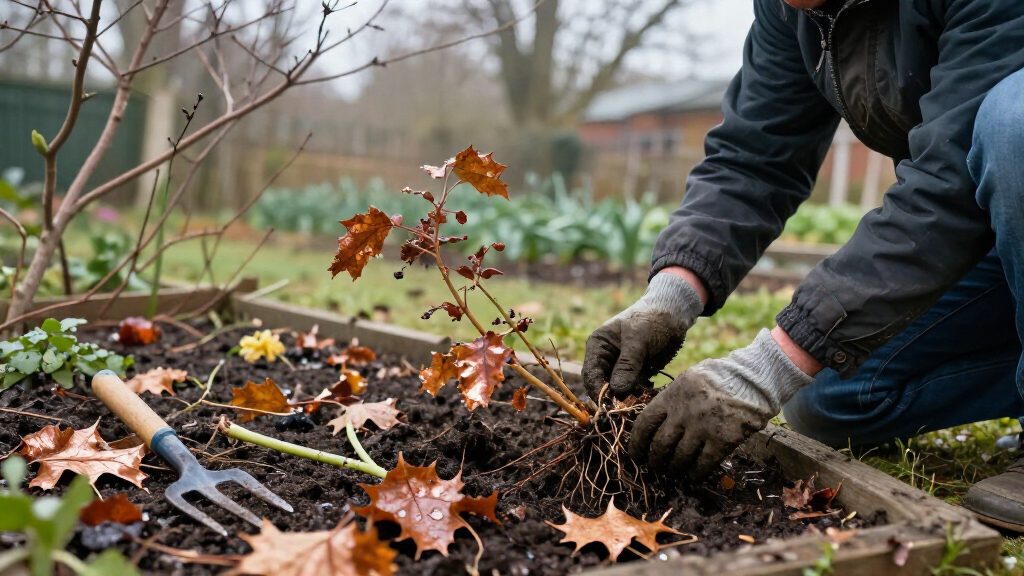
Planet Natural’s fall cleanup guidance says gardeners do not need to pull every spent annual: healthy plants can often be cut at soil level, leaving roots to decompose. Remove the whole plant when disease, pest activity or persistent weeds create a sanitation risk, and seek local advice when symptoms are unclear.
Gardeners do not need to pull every spent annual during fall cleanup, according to a Planet Natural report: healthy plants can usually be cut at the soil line, leaving their roots to break down. The advice changes when a plant may carry disease, pests or persistent weeds, which can make removing the roots and plant residue the safer choice for next season, as explained in this guide to fall cleanup in the desert.
For an annual vegetable or flower that finished without a significant pest, disease or weed problem, the report recommends cutting the stem at or just above the soil and removing the top growth. The roots can remain in the bed and decompose. Planet Natural says their breakdown adds organic material, while root channels can leave pathways for air and water. These are general soil benefits, not a guarantee that every bed or future crop will be free of problems.
Healthy finished beans, lettuce, basil and annual flowers are among the examples suited to cutting rather than yanking. If a bed needs immediate replanting, the guidance is to pull only root material that obstructs planting. By contrast, remove the whole plant when a disease is confirmed or strongly suspected, when characteristic symptoms suggest a problem that persists in residue or soil, or when evidence shows pests are using the plant material.
The report cautions against relying on a casual backyard compost pile to eliminate disease. It advises gardeners to use locally recommended disposal methods for questionable material, remove fallen fruit where relevant, and clean soil from tools before moving between beds. For weeds, perennial types should be dug out with as much of the crown and root system as practical; annual weeds with mature seedheads should be removed carefully so seeds are not spread.
A Cleaner Start for Next Season
The choice affects more than how tidy a bed looks. Leaving healthy roots avoids unnecessary soil disturbance and lets ordinary plant material decompose in place. Pulling every plant can add work without addressing the actual risks in a bed.
But leaving infected or pest-affected residue may carry a problem forward, while moving contaminated soil or debris can spread it to other areas. The practical value of the guidance is its distinction between routine end-of-season decline and a credible sanitation concern. Gardeners who identify that difference can focus removal and disposal on plants that warrant it, rather than treating all roots as waste.
Crop plans matter, too. A known disease can affect decisions about what to plant in the same spot next year, and persistent weeds can return from roots left behind. The report recommends considering the next crop as part of the cleanup decision, rather than making a rule that applies equally to every bed.
garden pruning shears for fall cleanup
As an affiliate, we earn on qualifying purchases.
As an affiliate, we earn on qualifying purchases.
The Bed-by-Bed Cleanup Test
The report frames fall cleanup as a plant-by-plant decision, not a demand to leave beds bare or pull everything. Its suggested questions are whether the crop finished normally, whether roots show signs such as galls, tunnels or rot, and what is planned for the bed next. A healthy plant with intact roots and no weed issue points toward cutting at soil level; evidence of a real problem points toward removal and careful handling.
Symptoms alone may not identify a cause. Drought, heat, nutrient problems and ordinary late-season decline can resemble disease. The report advises looking for patterns and checking more than one plant, rather than diagnosing from a single yellow leaf. If next year’s planting decision depends on identifying the cause, it recommends seeking help from a local nursery service.
Examples in the report include tomatoes with known disease or severe, characteristic decline, brassicas with enlarged or distorted roots, squash vines showing borer damage, and plants with visible root-feeding injury. These are reasons to inspect and possibly remove a plant, not proof that any particular symptom has one specific cause.
As an affiliate, we earn on qualifying purchases.
When Symptoms Do Not Settle It
The supplied report does not identify a single diagnosis for broad symptoms such as yellow leaves, wilting or a weak plant. Several causes can look similar, and the report cautions against naming a tomato disease from yellowing alone. It also does not provide a universal disposal method for diseased material; local recommendations may differ.
Where signs are vague, gardeners may not know whether roots or residue pose a meaningful risk. The report suggests inspecting multiple plants, recording observed signs and seeking local identification when the answer affects the next crop. The exact cause, whether it persists in soil or residue, and the best crop rotation remain specific to the problem and location.
As an affiliate, we earn on qualifying purchases.
Inspect Before Clearing Each Row
Before cleanup, inspect each bed for disease patterns, visible pest evidence, damaged roots and established perennial weeds. Cut clean, finished annuals at soil level and choose an appropriate use for the tops. Where disease or pest activity is confirmed or strongly suspected, remove the plant and relevant residue, follow local disposal advice, and clean tools before working elsewhere.
For uncertain symptoms, avoid spreading questionable debris while investigating. Check with a local nursery service or other locally informed resource if identification will determine what should be planted in that spot next year. The source material provides no dated follow-up or new official guidance; the next step described is a bed-by-bed assessment before gardeners clear or replant.
As an affiliate, we earn on qualifying purchases.
Key Questions
Should I pull every spent vegetable plant in fall?
No. Planet Natural says healthy annuals that finished without notable disease, pest or weed concerns can usually be cut at soil level, with roots left to decompose.
When should I remove the roots as well?
Consider removing the whole plant when disease is confirmed or strongly suspected, when there is evidence of pest activity in the plant or roots, or when persistent weeds are established. Follow local disposal advice for potentially diseased material.
Does yellowing mean a plant is diseased?
Not by itself. The report says heat, drought, nutrient issues and normal late-season decline can resemble disease. Look for patterns across plants and seek local identification if the cause will affect next year’s planting.
Can I compost plants I remove?
The report warns not to assume a casual backyard compost pile will reliably eliminate disease. For material with a confirmed or strongly suspected problem, use the disposal route recommended locally.
What should I do about perennial weeds?
Dig them out while you can follow the root, removing as much of the crown and root system as practical. Cutting the top alone can leave crowns, rhizomes or taproots able to regrow.
Source: rss
Fall yard work Picks
leaf blowers
As an affiliate, we earn on qualifying purchases.