TL;DR

Get garden gear delivered free — and shop member deals
- Fast, free delivery on millions of items
- Access to Prime Big Deal Days deals on October 6–7
- Prime Video, Amazon Music and more included
Stop fertilizing plants 4–6 weeks before summer heat to prevent weak, water-demanding growth that’s vulnerable to drought, pests, and disease. Adjust based on your local weather and plant condition for best results.
Summer’s coming. That blazing heat, the relentless sun, the dry soil — it all takes a toll on your plants. But what if your fertilizer schedule is making things worse?
The truth is, timing your last fertilizer application is just as important as watering and mulching. If you fertilize too late, you risk encouraging soft, water-hungry growth that can’t handle the heat. If you stop too early, your plants might miss vital nutrients to stay healthy through the hot months. This guide will show you exactly when and how to cut off fertilizing to keep your garden tough and thriving when summer hits.
Stop heavy fertilizing 4–6 weeks before your area’s hottest weather to help plants harden off.
Watch for signs like wilting, browning, and slow growth to time your last fertilizer application.
Avoid applying fertilizer during heatwaves or drought — it can do more harm than good.
Use soil testing and slow-release fertilizers to feed plants more precisely and gently.
Focus on watering, mulching, and soil health as your main tools for summer resilience.
When to Stop Fertilizing Before Summer Heat Sets In
Cut off growth-promoting fertilizer 4–6 weeks before your area’s hottest weather. Late feedings push tender, water-hungry growth that scorchers, drought, pests, and disease love to attack. Timing your last application is just as important as watering and mulching.
Why Fertilizing Too Late Invites Trouble
High-nitrogen fertilizer acts like a growth stimulant. It pushes plants to produce lush, tender new leaves and stems — exactly the wrong tissue to carry into a heatwave. Soft growth dries out faster, attracts sap-feeding pests, succumbs to fungal disease, and skyrockets water demand. Think of it like a teenager hitting a growth spurt during a heatwave: fragile and vulnerable.
Drought Stress
Fertilizer salts draw water away from roots in dry soil, causing burn and dehydration right when plants need moisture most.
Pest & Disease Magnet
Weak, succulent growth is easy prey for sap-feeding insects and fungal pathogens that thrive in warm, humid conditions.
Delayed Hardening Off
Late feeding postpones the natural process where tissues toughen and become heat- and drought-tolerant — leaving plants exposed at peak stress.
“Fertilizer does not cure heat stress. Water management, mulch, appropriate mowing, and shade protection are usually more important during hot periods.”
Key InsightTiming Your Last Feeding, by Plant Type
For most cool-season grasses and perennials, stop heavy fertilizing about 4–6 weeks before consistently hot weather arrives. Warm-season plants and annuals follow different rules — adjust based on local climate and plant condition, not the calendar alone.
Bar length = urgency to stop feeding before summer heat
How to Tell If Your Plants Are Ready to Stop Feeding
The right moment isn’t about a calendar alone. These physiological signals show your plants are entering stress mode and conserving resources — fertilizing now over-stimulates vulnerable growth.
Sustained heat: daytime temperatures stay at 85–90°F or higher for several days in a row.
Warm nights: nighttime temperatures remain high, preventing recovery from daytime stress.
Dry soil: soil stays dry despite watering — a clear sign of drought stress.
Visible damage: wilt, browning tips, or scorch marks on leaves, even after the coolest part of the day.
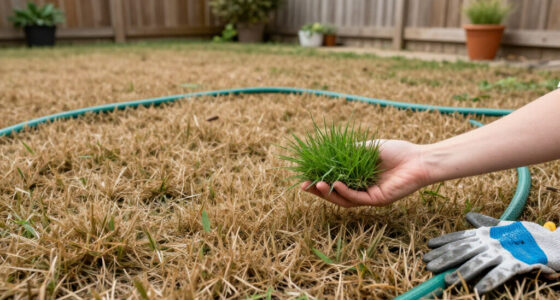
Slowed growth: lawn growth has noticeably slowed or dormancy has begun.
Water limits: local drought restrictions or irrigation limits are in effect.
Declining flowers: flower production drops naturally on perennials — a signal that active growth is winding down.
Your Pre-Summer Fertilizer Exit Plan
Rather than an abrupt stop, wind feeding down deliberately so plants harden off naturally and enter summer tough and resilient.
Test Your Soil
Determine actual nutrient needs with a soil test — never guess based on leaf color alone.
Final Gentle Feed
Apply slow-release fertilizer to moist soil 4–6 weeks before heat, then water in thoroughly.
Taper & Monitor
Watch temperatures and plant signals. Suspend all feeding once growth slows or heat arrives.
Shift to Resilience
Deep-water early or late, maintain 2–3 inches of mulch, and mow at the upper height.
The Do’s and Don’ts of Summer Fertilization
| Practice | Status | Why It Matters |
|---|---|---|
| Test soil before applying fertilizer | ✓ Do | Reveals real deficiencies instead of guessing from leaf color. |
| Use slow-release or organic fertilizers | ✓ Do | Prevents sudden growth spurts that create tender tissue. |
| Water in fertilizer thoroughly | ✓ Do | Move salts away from roots; apply only to moist soil. |
| Keep 2–3 inches of mulch around plants | ✓ Do | Retains moisture and stabilizes soil temperature — away from stems. |
| Fertilize during a heatwave or drought | ✗ Don’t | Salts draw water from roots and cause fertilizer burn. |
| Feed wilted or stressed plants | ✗ Don’t | Over-stimulates growth that can’t handle heat — recovery suffers. |
| Apply fertilizer to dry soil or pavement | ✗ Don’t | Runs off into waterways during summer storms. |
| Feed annuals & vegetables in summer | ~ Moderate | Continue at reduced doses — but never on wilted plants. |
Emerging Practices: Smarter, Climate-Aware Fertilizing
A one-size-fits-all approach is ineffective. Modern horticultural guidance emphasizes adaptability, precision, and environmental protection over routine feeding schedules.
Weather-Based Timing
Time applications by soil moisture and weather forecasts — not the calendar. Never feed immediately before extreme heat or heavy rain.
Soil-Test-Driven Feeding
Reduce routine fertilization for established landscapes; let soil testing guide specific, lowest-effective-rate applications.
Runoff & Water Protection
Avoid excess phosphorus and fertilizer runoff; choose drought-tolerant and native species to cut fertilizer reliance entirely.
From Last Feeding to Summer-Strong Garden
Watch Temps
Track forecasts for the 4–6 week window before peak heat.
Final Feed
Soil test, then one last slow-release application on moist soil.
Stop Feeding
Halt fertilizer at 85–90°F sustained heat or slowed growth.
Water Deeply
Irrigate early morning or late evening so roots stay cool and hydrated.
Mulch & Protect
2–3 inches of mulch locks in moisture and buffers soil temperature.
Why fertilizing too late invites trouble in summer
Fertilizer, especially with high nitrogen, acts like a growth stimulant. It pushes plants to produce lush, tender new leaves and stems. But in the heat, this growth becomes a liability.
Think of it like a teenager going through a growth spurt during a heatwave — fragile and vulnerable. Excess nitrogen causes plants to develop soft tissue that dries out faster, attracts pests, and succumbs to fungal diseases more easily. Plus, water demand skyrockets, stressing your plants further.
When plants are over-fertilized just before extreme heat, they become more susceptible to damage because their tissues are less resilient. This soft growth can quickly wilt or scorch under intense sun, and the increased water demand may lead to drought stress if not managed carefully. The tradeoff is that while lush growth looks appealing, it can compromise the plant’s ability to withstand environmental stressors, ultimately weakening your garden’s overall resilience.
slow release fertilizer for garden plants
As an affiliate, we earn on qualifying purchases.
As an affiliate, we earn on qualifying purchases.
When to stop fertilizing: the 4-6 week rule for cool-season plants
For most cool-season grasses and perennials, the best rule is to cease heavy fertilizing about 4 to 6 weeks before the hottest weather arrives. This window gives plants time to harden off, slow growth, and build resilience.
Understanding this timing is crucial because it allows the plant’s natural processes to kick in—like producing tougher, more drought-resistant tissues. If you fertilize too late, you risk encouraging rapid, tender growth that’s ill-prepared for the stress of summer. Conversely, stopping too early might leave your plants undernourished, making them vulnerable to pests, diseases, and drought during the hot months. The key is to find a balance: giving plants enough nutrients to develop strength without pushing them into fragile growth phases. Adjusting this window based on local climate patterns ensures your garden can adapt and thrive despite seasonal extremes.
As an affiliate, we earn on qualifying purchases.
How to tell if your plants are ready to stop feeding
Spotting the right moment isn’t about a calendar alone. Look for signs that plants are slowing down naturally:
- Daytime temperatures stay above 85–90°F for several days.
- Night temperatures remain warm, preventing recovery from daytime stress.
- Soil is dry despite watering, indicating drought stress.
- Plants show wilt, browning tips, or scorch marks — signs they’re struggling.
- Growth has noticeably slowed or stopped.
Recognizing these signs is vital because they reflect the plant’s internal response to environmental stress. For example, if your lawn’s growth has halted and the grass blades start browning at the tips, it indicates the plant is conserving resources and in a stress state. Continuing to fertilize during this period can lead to over-stimulation of growth that’s vulnerable to heat damage, or worse, cause nutrient imbalances that hinder recovery. Understanding these signals helps you avoid unnecessary fertilization and promotes a more resilient, stress-tolerant garden.
As an affiliate, we earn on qualifying purchases.
The risks of late fertilization during summer heat
Applying fertilizer when plants are stressed can backfire. Excess salts from fertilizers draw water away from roots, especially in dry soil. This leads to fertilizer burn and further dehydration, weakening the plant’s defenses when it needs them most.
Overfeeding can also produce weak, succulent growth that’s easy prey for pests and diseases. This lush but fragile growth is often less capable of withstanding drought and intense sun, increasing the risk of plant decline. Moreover, late fertilization can delay the plant’s natural hardening process—an essential phase where tissues become more drought and heat tolerant. When this hardening is postponed, plants remain vulnerable to environmental stress, which can lead to quick decline or even mortality during peak summer conditions. The tradeoff here is between vigorous growth and resilience; pushing for lushness at the wrong time undermines the plant’s ability to cope with summer stressors.
high nitrogen fertilizer for vegetables
As an affiliate, we earn on qualifying purchases.
As an affiliate, we earn on qualifying purchases.
Best practices to protect plants when summer heat arrives
Instead of relying solely on fertilizer, focus on smart water management and soil health:
- Test your soil to determine actual nutrient needs — don’t guess based on leaf color alone.
- Use slow-release fertilizers to avoid sudden growth spurts.
- Apply fertilizer only to moist soil, then water thoroughly.
- Keep mulch 2–3 inches deep around plants, but away from stems.
- Mow lawns at the upper recommended height for your grass type.
- Address drainage or root issues before adding nutrients.
By prioritizing these practices, you help plants develop natural resilience, reducing their dependence on excess fertilization. Proper watering and mulching create a more stable environment, decreasing stress and supporting healthy growth despite the heat. For instance, a well-mulched vegetable bed not only needs less fertilizer but also retains moisture better, helping plants withstand drought. Watering deeply early in the day or late evening ensures roots stay cool and hydrated, minimizing stress and damage during hot spells.
Emerging practices: smarter, climate-aware fertilizing
More gardeners are shifting to climate-aware strategies:
- Timing based on soil moisture and weather forecasts, not just the calendar.
- Reducing routine fertilization, especially for established landscapes, with soil testing guiding specific needs.
- Using slow-release or organic products to control growth spurts.
- Protecting water quality by avoiding excess phosphorus and fertilizer runoff.
- Choosing drought-tolerant species and improving soil health to lessen fertilizer reliance.
For example, switching to native desert plants reduces fertilizer needs and makes your garden more resilient to heat and drought. These practices acknowledge that a one-size-fits-all approach is ineffective; instead, they emphasize adaptability, minimizing environmental impact while maintaining healthy plant growth in changing climates.
Quick guide: the do’s and don’ts of summer fertilization
| Do | Don’t |
|---|---|
| Test soil before applying fertilizer | Fertilize on a whim or based on leaf color alone |
| Use slow-release or organic fertilizers | Apply fertilizer during a heatwave or drought |
| Water in fertilizer thoroughly | Fertilize when plants are wilted or stressed |
| Keep mulch around plants | Apply fertilizer excessively or to dry soil |
Conclusion
Timing is everything. Cut off fertilizer before summer’s brutal heat arrives, and your plants will thank you with stronger, healthier growth when conditions improve.
Think of it as giving them a chance to toughen up, rather than pushing soft, vulnerable growth that can’t handle the stress. A smart gardener’s secret: sometimes, less is more — especially when summer heat is on the horizon.
Fall yard work Picks
leaf blowers
As an affiliate, we earn on qualifying purchases.