
TL;DR

Get garden gear delivered free with Prime
- Fast, free delivery on millions of items
- Prime Video, Amazon Music and more included
- Member-only deals all year
Water-efficient drip irrigation systems can cut water use by up to 70%, delivering precise watering directly to roots. Modern tech like sensors and solar controllers make them smarter and more sustainable, saving water and money in the long run.
Imagine watering your garden and knowing you’re only giving plants what they need—nothing wasted, nothing overdone. That’s the promise of water-efficient drip irrigation systems. They don’t just save water—they boost plant health and cut labor costs. But how do they work, and what’s new in this field?
If you’re tired of wasting water, dealing with clogged sprinklers, or just want healthier plants without the hassle, this article is for you. We’ll break down how drip systems deliver water directly to roots, explore cutting-edge tech, and give you simple steps to upgrade your garden or farm for maximum efficiency.
A well-designed drip irrigation system can save up to 70% of water compared to sprinklers.
Smart tech like soil moisture sensors and solar controllers make watering more precise and less labor-intensive.
Durable, UV-resistant materials ensure your system lasts 10-15 years with minimal fuss.
Regular maintenance—filters, emitters, and leaks—keeps your system water-wise and reliable.
Combining drip with mulch and rainwater harvesting can boost sustainability and cut costs further.
What Exactly Makes a Drip Irrigation System Water-Wise?
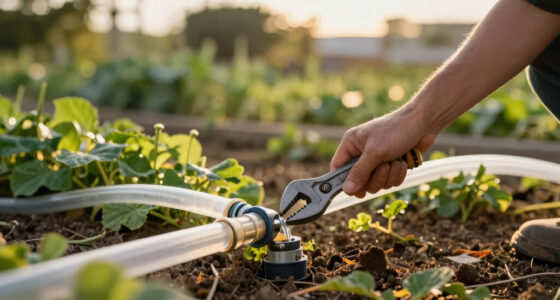
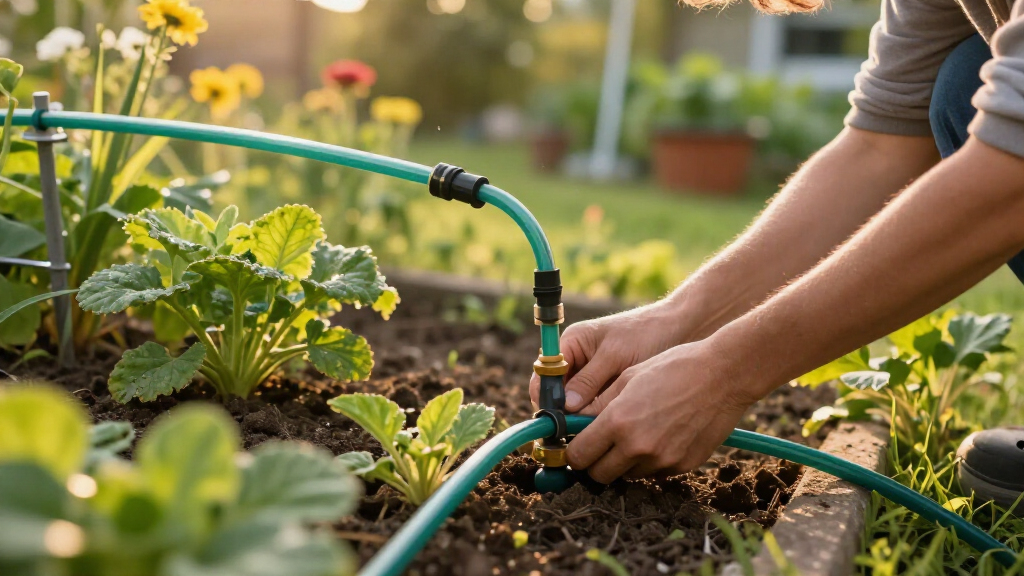
Drip irrigation is a system that delivers water directly to the plant’s root zone through tiny tubes, called emitters. Think of it as a network of tiny straws, slowly watering each plant precisely where it needs it. Unlike sprinklers that spray water into the air, drip systems cut down on evaporation and runoff.
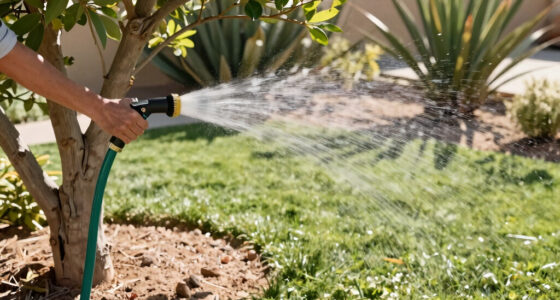
For example, in a vegetable garden, a well-designed drip system can reduce water use by up to 70% compared to sprinklers, according to recent research. It’s like giving each plant a sip, not a shower. This targeted approach helps plants absorb more nutrients and grow stronger, while you save water and money.
Why does this matter? Because traditional watering methods often waste a significant portion of water through evaporation, wind drift, and runoff—especially in windy or hot conditions. By delivering water precisely where needed, drip systems minimize these losses. However, the tradeoff is that they require diligent maintenance—clogged emitters can negate efficiency gains—and careful planning to ensure even coverage. The implication is that while initial setup might be more involved, the long-term savings and healthier plants make it worthwhile, especially in water-scarce areas.
water-efficient drip irrigation system
As an affiliate, we earn on qualifying purchases.
As an affiliate, we earn on qualifying purchases.
How Modern Tech Makes Drip Systems Smarter and More Efficient
Today’s drip systems aren’t just hoses with tiny holes. They’re packed with smart features that make watering almost automatic. Integration of IoT devices, moisture sensors, and solar-powered controllers is changing the game.
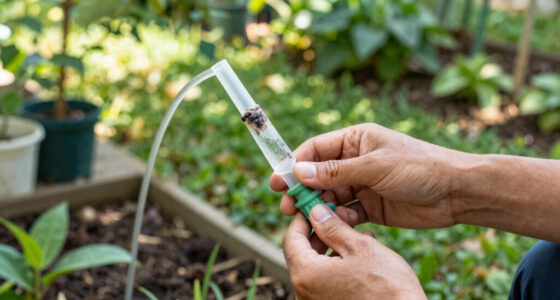
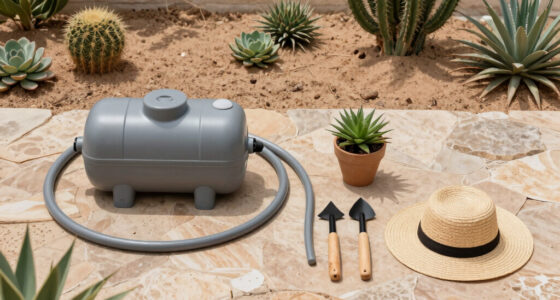
For instance, soil moisture sensors can tell your system to water only when the soil gets dry—saving precious water during rainy spells. Solar-powered timers run on clean energy, making the system even greener. Hybrid systems combine rainwater harvesting with drip lines, turning your garden into a water-smart oasis.
Advanced emitters are self-cleaning, clog-resistant, and designed to last years even under harsh sun and dust. These innovations mean less maintenance and more consistent watering, which keeps plants healthy without waste.
The significance of these technological advances is profound. They allow for real-time adjustments based on weather and soil conditions, reducing overwatering and runoff that can lead to nutrient leaching and soil erosion. The tradeoff, however, is that they often come with higher upfront costs and require some technical know-how. Nonetheless, the long-term benefits—water savings, healthier plants, and reduced labor—far outweigh these initial investments, especially for large-scale operations or environmentally conscious gardeners.
smart drip irrigation kit with soil moisture sensors
As an affiliate, we earn on qualifying purchases.
As an affiliate, we earn on qualifying purchases.
Quick Comparison: Traditional Sprinklers vs. Water-Saving Drip Systems
| Feature | Sprinklers | Drip Irrigation |
|---|---|---|
| Water Usage | High, 50-70% more waste | Lower, up to 70% savings |
| Water Delivery | Sprays into air, some loss | Direct to roots, minimal loss |
| Maintenance | Frequent, clogged nozzles | Less, self-cleaning emitters |
| Setup Cost | Lower initial costs | Higher upfront, long-term savings |
Understanding these differences is crucial because it highlights how switching to drip irrigation can lead to significant water conservation and cost savings, especially in drought-prone regions. While the initial investment might be higher, the reduced water bills and healthier plants often justify the expense. Additionally, the lower maintenance requirements mean less time and effort spent troubleshooting or replacing parts, which can be a decisive factor for busy homeowners or large-scale growers.
solar-powered drip irrigation controller
As an affiliate, we earn on qualifying purchases.
As an affiliate, we earn on qualifying purchases.
Steps to Make Your Drip System Max Water-Wise and Reliable
- Plan your layout based on plant types and garden size. Map out where each emitter will go, considering plant spacing and water needs. Proper planning prevents over- or under-watering and ensures even distribution.
- Choose high-quality emitters with built-in clog resistance. Investing in durable components reduces maintenance and keeps your system functioning efficiently over years.
- Install a filter and pressure regulator to prevent debris from clogging emitters and to maintain consistent flow. This step is vital because clogged emitters are a common reason for uneven watering and system failure.
- Lay out your tubing, connect emitters, and set your timer or smart controller. Proper installation, including secure connections and appropriate spacing, minimizes leaks and maximizes efficiency.
- Test the system thoroughly by running it for a few cycles. Adjust emitter placement if needed, and check for leaks or clogs. Regular testing and adjustments ensure your system continues to operate at peak performance.
For example, a small vegetable patch might need 10 emitters, each delivering 2 gallons per hour, timed to water early mornings for 30 minutes. Regularly check filters and replace worn parts to keep efficiency high. Over time, fine-tuning your system based on plant response and weather conditions will maximize water savings and plant health.
AmazonUV-resistant drip irrigation tubing
As an affiliate, we earn on qualifying purchases.
As an affiliate, we earn on qualifying purchases.
Why Investing in Smart Features Pays Off in Water and Time Savings
Smart sensors and automated controls might seem like extra costs, but they pay off fast. Soil moisture sensors can reduce watering by 30%, according to recent studies. Solar-powered controllers cut electricity costs and make systems more eco-friendly.
Imagine sitting on your porch, controlling your garden watering with an app—no manual adjustments needed. These smart features allow for precise watering schedules that adapt to changing weather and soil conditions, reducing waste and preventing overwatering that can drown plants or leach nutrients from the soil. While they require an initial investment, the long-term savings in water, time, and plant health are significant. They also help prevent common problems such as root rot from overwatering or drought stress from underwatering, which can be costly to remedy.
In large-scale farms, these technologies can save thousands of gallons annually, translating into substantial financial savings and environmental benefits. The tradeoff is the need for some familiarity with digital tools, but many systems are designed to be user-friendly, making them accessible to most gardeners and farmers.
Eco-Friendly Materials and Designs That Last
Durability matters when your system faces sun, wind, and dust. Use UV-resistant plastics for tubing and emitters—these last 10-15 years without cracking. Eco-friendly materials, like biodegradable fittings, are also making their way into the market, reducing plastic waste.
For example, a homeowner in Arizona replaced their old PVC lines with UV-stabilized polyethylene, doubling the lifespan and reducing replacement costs. Hybrid systems that harvest rainwater and reuse greywater further boost sustainability.
Choosing quality materials upfront means fewer repairs and less waste, helping your garden stay water-wise for years to come. Additionally, investing in durable components reduces the frequency of replacements, which not only saves money but also minimizes environmental impact by decreasing plastic waste. The tradeoff often involves higher initial costs, but the long-term benefits—lasting systems and reduced maintenance—outweigh the upfront expense, making it a smart choice for sustainability-minded gardeners.
Your Water-Wise Garden Starts with These Simple Tips
- Use a timer to water early in the morning—less evaporation and cooler temps help plants absorb more.
- Install filters and check emitters monthly—clogs waste water and hurt efficiency.
- Combine drip with mulch—keeps moisture in soil longer and reduces evaporation.
- Use smart sensors if possible—adjust watering based on real soil moisture data.
- Keep an eye on your system—regular maintenance prevents costly repairs and water waste.
Frequently Asked Questions
How much can I really save on water bills with drip irrigation?
Most users see a reduction of 50-70% in water usage. In practical terms, a typical garden watering 3 times a week might drop from 15 gallons per session to just 5 or 6 gallons with drip. Over a year, that adds up to hundreds or thousands of gallons saved, plus lower bills.
How often should I check and maintain my drip system?
Check filters, emitters, and connections once a month, especially during peak watering season. Look for clogs, leaks, or damaged tubing. Regular maintenance keeps your system efficient and prevents costly repairs or water waste.
Can I install drip irrigation myself, or do I need a professional?
Many DIYers successfully install simple systems with basic tools. Just plan your layout, use quality components, and follow manufacturer instructions. For complex setups or large farms, consulting an irrigation specialist can save time and ensure maximum efficiency.
Are eco-friendly materials worth the extra cost?
Yes. Though initial costs may be higher, UV-stabilized and biodegradable fittings last longer and reduce plastic waste. Investing in quality materials pays off over years of reliable, water-saving use.
Conclusion
Switching to water-efficient drip irrigation isn’t just smart—it’s essential. With today’s tech, you can water smarter, save water, and keep your garden thriving with less effort. Think of it as giving your plants a gentle, targeted sip—nothing wasted, everything gained.
Start small, upgrade your system, and watch your garden flourish while your water bill shrinks. The future of watering is here—are you ready to make it happen?
HALLOWEEN Halloween Picks
halloweenhalloween
As an affiliate, we earn on qualifying purchases.