
TL;DR

Get garden gear delivered free with Prime
- Fast, free delivery on millions of items
- Prime Video, Amazon Music and more included
- Member-only deals all year
September in the low desert is when the garden truly begins. Cooler weather, improved soil, and the right plant choices make it the perfect time to start planting for fall and winter. Use water-wise practices to boost success.
If you’ve been waiting all summer to get back in your garden, September is your moment. The blazing heat starts to fade, and the cool, inviting air signals that it’s time to plant and breathe new life into your outdoor space. You’ll find this month is the real kickoff for desert gardening—when your efforts can flourish, and your garden truly comes alive.
Forget the summer scorch. September’s moderate warmth, combined with falling nighttime lows, creates perfect conditions for a wide range of vegetables, herbs, and flowers. It’s a season shift, a fresh start that can turn your patch into a lush, productive oasis—if you know what to do and when to do it.
September is the true start of the desert garden season—cooler nights and moderate days create perfect planting conditions.
Prepare your soil with compost and mulch to give plants a strong foundation and conserve water.
Focus on cool-season crops—leafy greens, root vegetables, and herbs—that thrive now.
Use drip irrigation and mulch to water efficiently and cut down on water waste.
Be vigilant for pests and diseases as the weather cools—early detection keeps problems small.
The Real Start of Garden Season
When blazing summer heat begins to loosen its grip, the low-desert garden gets a fresh opening. Cooler nights, workable soil and carefully chosen crops turn September into the pivotal month for planting a productive fall and winter garden.
Why the garden comes alive now
September replaces survival mode with a genuine growing window. Moderate warmth still supports germination, while falling nighttime temperatures give seedlings time to recover and reduce the punishing evaporation of midsummer.
Warm enough to start. Cool enough to thrive.
Daytime highs often remain in the upper 80s to low 100s, but cooler nights make the decisive difference for tender greens, roots and herbs.
The strategic advantage
Leafy greens develop more tender growth, roots establish with less stress and moisture remains available longer. Gardeners can work with the seasonal cooldown instead of constantly defending plants from extreme heat.
Key insight: September planting can improve crop success rates by up to 40% compared with summer planting when appropriate crops and soil practices are used.
Prepare the soil before you plant
Low-desert soils are often alkaline, compacted and low in organic matter. A deliberate reset improves nutrient access, moisture retention, drainage and root expansion.
Test
Check pH and nutrient levels. Alkalinity can restrict nutrient uptake.
Clear
Remove dead crops, weeds and debris that can shelter pests or disease.
Amend
Mix in compost, aged manure or shredded plant material.
Drain
Loosen compacted beds and correct waterlogging where necessary.
Mulch
Cover generously to stabilize moisture and soil temperature.
Open the root zone
Looser soil lets young roots travel deeper for water and nutrients.
Feed the soil life
Organic matter supports beneficial microbes and steady nutrient cycling.
Cover bare ground
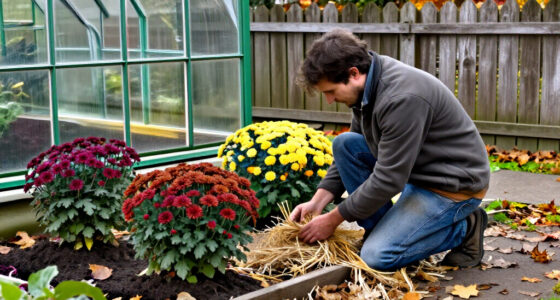
Straw or shredded bark suppresses weeds and buffers temperature swings.
Choose crops for the transition
Prioritize fast, cool-season crops and useful flowering companions. Exact timing varies by elevation and local microclimate, so use nighttime temperatures as your practical guide.
| Plant group | Best examples | September fit | Typical payoff | Planting note |
|---|---|---|---|---|
| Leafy greens | Lettuce, spinach, kale | ✓Excellent | Harvest in 3–6 weeks | Protect early sowings from lingering afternoon heat. |
| Root vegetables | Carrots, radishes, beets | ✓Excellent | Harvest in 4–8 weeks | Direct sow into loose, stone-free soil. |
| Cool herbs | Cilantro, parsley | ✓Strong | Fresh flavor all season | Keep the seed zone consistently moist. |
| Flowers | Marigolds, zinnias, calendulas | ✓Strong | Color + beneficial insects | Use around vegetable beds as living support. |
| Warm crops | Tomatoes, peppers, basil | ~Conditional | Depends on frost window | Check local timing before committing bed space. |
Field example / Sow radishes in mid-September and a Tucson-area garden may produce crisp roots before the first frost.
Put every drop where roots can use it
Cooling weather reduces evaporation, but new seedlings still require dependable moisture. Efficient delivery, smart timing and protective mulch create the strongest combination.
Inspect early. Intervene lightly.
Milder nights can activate pests while residual moisture encourages fungal problems. Daily observation keeps small issues from becoming crop-wide damage.
Aphids
Inspect new growth and leaf undersides for clusters, sticky residue or curling leaves.
Caterpillars + snails
Look for holes, ragged edges, droppings and nighttime feeding around young plants.
Mildew
Watch for powdery patches or discoloration; improve airflow and avoid wet foliage.
One seasonal shift, five connected advantages
September is your moment.
Start with the soil, plant for cooler weather and water at the root zone. Add daily pest checks, and the fading summer heat becomes an opportunity to build a lush, productive low-desert garden for fall and winter.
Why September Is When the Desert Garden Comes Alive
In the desert, summer’s relentless heat pushes plants to their limits. By September, temperatures dip into the 80s and low 100s during the day—much more manageable for plants and gardeners alike. Nighttime lows settle into the 60s and 70s, giving seedlings a break from the intense heat of July and August.
This shift transforms your gardening prospects. Instead of battling the sun’s scorch, you’re working with nature’s natural cooldown. Think of it as the garden’s opening act after a long, hot intermission. Plants like lettuce, spinach, and radishes thrive now, as they prefer cooler temperatures that promote tender, flavorful leaves and roots. Warm-season plants, on the other hand, start to struggle with the cooler nights, which can slow growth or cause stress. Understanding this transition helps you choose the right crops and timing, maximizing your garden’s productivity. The cooler temperatures also reduce water evaporation, allowing your plants to stay hydrated longer with less watering—an essential benefit in arid regions. This change in weather patterns not only influences what you plant but also how you manage watering, pest control, and plant health, making September a pivotal month for strategic gardening.
Popular right now

KitchenAid Artisan 5-Qt Tilt-Head Stand Mixer, Cardamom

Sony WH-1000XM6 Wireless Noise-Canceling Over-Ear Headphones, Blue, Bundle

Breville Bambino Espresso Machine, Brushed Stainless Steel
As an affiliate, we earn on qualifying purchases.
How to Prepare Your Soil for a Fall Garden
- Start by testing your soil’s pH and nutrient levels. Most desert soils lean alkaline, which can hinder nutrient uptake. Adding compost not only supplies essential nutrients but also helps buffer pH levels, creating a more hospitable environment for a variety of plants. This step is crucial because soil health directly impacts plant vigor, disease resistance, and yield. Poor soil conditions can lead to stunted growth or nutrient deficiencies, so investing time here pays off in healthier, more productive plants.
- Mix in organic matter—compost, aged manure, or shredded plant material. Organic matter improves soil structure, enhances water retention, and introduces beneficial microbes that support plant roots. Better soil structure means roots can penetrate more deeply, accessing nutrients and water more efficiently, which is especially important during fall when plants are establishing themselves for winter harvests.
- Check drainage. If your soil tends to hold water, incorporate coarse sand or grit to prevent root rot and other moisture-related problems. Proper drainage ensures roots don’t sit in waterlogged soil, which can lead to fungal diseases and root decay. This is particularly critical in the desert, where water conservation is key but overwatering can harm plants.
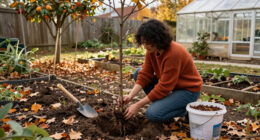
- Clear out summer debris—dead plants, weeds—and loosen the soil with a garden fork or tiller. Removing debris minimizes disease vectors and pests, while loosening the soil improves aeration and root expansion. This preparation ensures your new plants have a clean, nutrient-rich environment to thrive in, setting the stage for a successful fall garden.
- Mulch heavily with straw or shredded bark. Mulching conserves soil moisture, suppresses weeds, and insulates roots against temperature swings. In the desert, where evaporation rates are high, mulch is a vital strategy to maintain consistent moisture levels, reduce watering needs, and protect roots from unexpected cold snaps or heat fluctuations. Proper mulching can make the difference between a struggling garden and a thriving oasis.
Imagine planting a bed of kale in freshly amended soil—rich, dark, and full of life—ready to give you lush, tender leaves all fall long. That’s the power of proper soil prep. It’s the foundation that supports healthy growth, resilience against pests and diseases, and efficient water use—cornerstones of sustainable desert gardening.
The Best Plants to Start in September
| Type | Examples | Notes |
|---|---|---|
| Leafy Greens | Lettuce, Spinach, Kale | Quick growers, harvest in 3-6 weeks |
| Root Vegetables | Carrots, Radishes, Beets | Plant directly in soil, harvest in 4-8 weeks |
| Herbs | Cilantro, Parsley, Basil | Start from seed or seedlings; enjoy fresh flavor all season |
| Flowers | Marigolds, Zinnias, Calendulas | Brighten up space and attract beneficial insects |
For example, a gardener in Tucson might sow radish seeds in mid-September and enjoy spicy, crunchy roots before the first frost—an instant reward for planting at the right time.
Water-Wise Tips for a Thriving Desert Garden in September
- Use drip irrigation or soaker hoses—delivers water directly to roots, saving gallons.
- Apply a thick layer of mulch—straw, shredded bark, or gravel—to retain moisture and keep soil temperatures steady.
- Water early in the morning—before the sun heats the soil—reducing evaporation.
- Check moisture levels regularly—your finger test or soil probe can tell you when to water again.
- Choose drought-tolerant plants—like succulents and native perennials—that thrive with less water.
Imagine the gentle sound of water drip-drip-dripping into your garden beds, conserving precious water while your plants soak it up. That’s desert gardening smart.
Watch Out for Pests and Diseases Now
September’s milder weather can bring a new wave of pests—aphids, caterpillars, and snails—that love the cooler nights. These pests can quickly damage your plants, especially young seedlings and tender leaves. Additionally, increased humidity or residual moisture can foster fungal diseases like powdery mildew or downy mildew, which can weaken or defoliate your plants if left unchecked. Recognizing early signs of infestation or disease is critical because late interventions often mean more damage and increased chemical use.
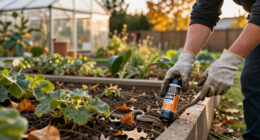
Inspect your plants daily, especially the undersides of leaves and new growth. Use organic controls like neem oil or insecticidal soap, and always wear protective gloves and a mask when applying chemicals. Early detection and treatment minimize the need for harsher interventions later, preserving your garden’s health and your peace of mind. For example, spotting aphids on kale early allows for quick treatment, preventing a full-blown infestation that could decimate your crop. This proactive approach helps maintain a balanced ecosystem and reduces reliance on chemical pesticides, aligning with sustainable gardening principles.
Can You Still Plant Summer Crops in September?
In most desert areas, it’s better to shift focus to cool-season crops rather than trying to squeeze out the last of summer plants. While some heat-tolerant varieties might survive, they often produce less and are more susceptible to stress as temperatures continue to decline. Planting summer crops late can result in poor yields, unfinished growth, and increased vulnerability to pests and diseases that thrive in residual heat. However, if you’re determined, select hardy, quick-maturing varieties like certain hot peppers or eggplants, and plant them early enough to give them a chance to produce before cold weather limits growth. Keep in mind, your window for summer crops is narrowing, and investing in cool-season crops will generally yield better results and more satisfaction.
For example, a gardener in Las Vegas might plant a few hot peppers now, but most summer veggies are past their prime—time to switch gears. Recognizing the optimal timing ensures you maximize your garden’s productivity without frustration or wasted effort.
Frequently Asked Questions
What vegetables grow best in September in the desert?
Leafy greens like lettuce, spinach, and kale flourish now, along with root crops like carrots and radishes. Herbs such as cilantro and parsley also thrive in the cooler weather.How often should I water my new plants in September?
Water early in the morning, keeping the soil moist but not soggy. Check moisture levels regularly—about once or twice a week—based on your soil and weather conditions.Can I plant flowers now, and which ones are best?
Yes, fall is perfect for flowers like marigolds, zinnias, and calendulas. They add color and attract beneficial insects, plus they handle the cooler nights well.Is it too late to plant summer crops?
In most cases, yes. Focus on cool-season crops now. Some heat-tolerant varieties can be planted, but expect a shorter harvest window.How do I conserve water while gardening in September?
Use drip irrigation, mulch heavily, water early in the day, and choose drought-resistant plants. These steps keep your garden lush without wasting precious water.Conclusion
September in the low desert isn’t just a calendar date; it’s your garden’s rebirth. The combination of cooler weather, better soil, and the right plant choices makes this month your best chance to grow something new and worthwhile.
Plant smart, water wisely, and watch your garden flourish. Before long, you’ll have a lush, productive oasis that makes every drop and every seed worth it.