TL;DR

Get garden gear delivered free — and shop member deals
- Fast, free delivery on millions of items
- Access to Prime Big Deal Days deals on October 6–7
- Prime Video, Amazon Music and more included
Chiltepin peppers, native to the Sonoran Desert, thrive in shaded microhabitats and add fiery flavor to dishes. With proper care, they can grow as perennials or annuals, offering a rich genetic resource and cultural connection for desert gardeners.
Imagine a tiny, fiery red pepper that’s been part of desert life for centuries. It’s not just a spicy snack—chiltepins are a living link to the Sonoran landscape, with roots deep in regional history. Growing them isn’t about mimicking full sun and dry soil; it’s about understanding their quiet, shaded niches and respecting their wild origins.
If you want to add a punch of heat to your garden and connect with desert ecology, chiltepin peppers are a perfect choice. In this guide, I’ll walk you through how these wild Sonoran chiles grow, what they need, and how you can harvest and use them responsibly. Ready to spice up your desert garden?
Chiltepin peppers grow best in shaded, protected microhabitats mimicking their wild nurse-plant environment.
Start seeds with fresh, soaked seed in warm soil; germination can take 2–6 weeks, so patience is key.
Harvest peppers when fully red for drying or full flavor, and always wear gloves to handle capsaicin-rich fruits.
Plant chiltepins in well-drained soil with organic mulch and deep watering for best fruiting.
Support wild populations by sourcing seeds responsibly and respecting land rules; avoid wild harvesting in protected areas.
Chiltepin Peppers: Wild Sonoran Chiles for the Home Garden
Tiny, bright and fiercely hot, chiltepins are a living link between desert ecology, regional food traditions and the future resilience of cultivated peppers. Their secret is not harsher sun—it is the cool protection of a carefully built microhabitat.
Grow the niche, not just the pepper.
In the Sonoran region, chiltepins cluster beneath mesquite, hackberry, oak and other woody plants. These “nurse plants” create a buffered pocket that protects roots, slows evaporation and catches organic matter.
Filtered sun
Choose dappled light or afternoon shade. Protection from intense western sun reduces scorching and prevents the root zone from drying too quickly.
Living soil cover
Well-drained soil, compost, leaf litter and organic mulch recreate the cool, debris-rich ground found beneath desert nurse plants.
Deep, not soggy
Established plants tolerate dry periods, but regular deep watering supports healthier growth and heavier fruiting. Constant saturation invites root trouble.
From slow seed to perennial shrub.
Wild seed can be erratic, so warmth and patience matter. Once established, the plant becomes far easier: give it drainage, a protected canopy and steady deep watering, then guard it from frost.
Source fresh seed
Choose a reputable, responsible supplier and soak seed before sowing.
Hold the warmth
Use a sterile, draining mix and maintain soil near 75–85°F.
Create shade
Plant beneath a small tree or beside afternoon protection.
Water deeply
Let excess water drain; mulch to moderate heat and evaporation.
Plan for frost
Overwinter containers indoors or treat plants as warm-season annuals.
The productive microhabitat
- Filtered sunlight or dependable afternoon shade
- Well-drained soil enriched with compost
- Organic mulch over a cool, aerated root zone
- Deep watering followed by drainage
- A gentle shake to support self-pollinating flowers
- Frost protection for multi-year growth
Patience is part of the method.
Allow several weeks before abandoning a tray. Mild soaking or scarification may help, but strong acids, bleach and harsh home treatments are unnecessary and can damage seed.
Green is sharp. Red is full fire.
The tiny fruit moves from green to brilliant red. Ripe chiltepins detach readily, making a gentle tug or shake enough for harvest. Choose the stage that fits the flavor and preservation method.
| Harvest stage | Flavor profile | Best uses | Handling | Storage |
|---|---|---|---|---|
| Green | Fresh, grassy and sharply hot | Salsa, pickles, fresh relishes and seafood | Snip or gently tug firm fruit | Refrigerate briefly or pickle |
| Bright red | Full-bodied flavor with peak fiery character | Beans, soups, sauces, meats and whole-pepper seasoning | Fruit should release easily when ripe | Dry completely before sealing |
| Dried | Concentrated, aromatic and quick-burning | Crushed spice, infused oil and Sonoran condiments | Crush in a ventilated space; avoid face contact | Keep airtight, dark and moisture-free |
Chiltepin and chile pequín are related—not identical.
The names are often used interchangeably, but they commonly signal different positions along the wild-to-cultivated spectrum. Fruit form and how readily ripe peppers detach offer useful clues.
Chiltepin
Capsicum annuum var. glabriusculum- FruitUsually tiny, round or slightly oval
- RipeningGreen to vivid red
- ReleaseRipe fruit detaches readily
- EcologyStrong nurse-plant habitat connection
Chile pequín
A closely related cultivated form- FruitOften larger and more elongated
- RipeningGreen to red, with selected variation
- ReleaseFruit may hold more firmly to the plant
- EcologyMore shaped by cultivation and selection
One pepper connects an entire resilience chain.
Wild populations carry genetic variation that may help future peppers withstand heat, drought, pests and disease. Responsible home cultivation supports the cultural story without depleting the landscapes that created it.
Wild habitat
Sheltered Sonoran microsites preserve locally adapted plants and ecological relationships.
Genetic diversity
Wild variation holds traits linked to climate, pest and disease resilience.
Future crops
Breeders may draw on those traits to strengthen cultivated pepper varieties.
Living tradition
Gardeners sustain regional flavors and a tangible connection to desert history.
What Makes Chiltepin Peppers So Unique and Worth Growing?
Chiltepin peppers are small but mighty. Their tiny, round fruits ripen from green to bright red, packed with intense heat—about 50,000 to 100,000 Scoville units. That’s many times hotter than a jalapeño, yet their flavor is clean, sharp, and quick-burning. They grow on branching shrubs reaching 2 to 4 feet tall, often larger in protected environments.
What sets chiltepins apart? They’re wild ancestors of cultivated peppers, holding a treasure trove of genetic diversity. This diversity isn’t just a biological curiosity—it’s a critical asset for breeding programs aiming to develop resilient crops. Their ability to withstand drought, pests, and temperature fluctuations means they carry traits that could be harnessed to improve cultivated varieties, especially as climate change makes agriculture more challenging. For home gardeners, this resilience translates into a hardy, low-maintenance plant that can thrive with minimal resources.
Imagine harvesting peppers that are naturally adapted to the harshest conditions—no fancy irrigation needed, just a shaded microhabitat beneath a mesquite or oak. That’s the wild magic of chiltepins. By cultivating these plants, gardeners are also participating in preserving their genetic diversity, which is vital for future food security and ecological stability.
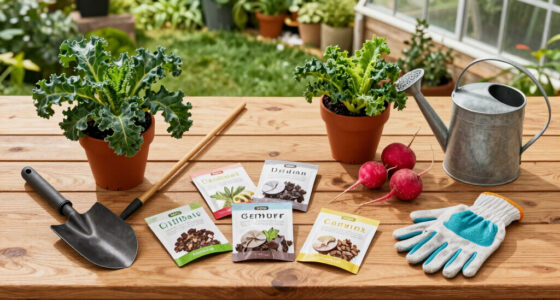
Chiltepin pepper seeds for planting
As an affiliate, we earn on qualifying purchases.
As an affiliate, we earn on qualifying purchases.
Where and How Do Chiltepin Peppers Naturally Grow?
Chiltepins thrive in sheltered, shady spots in the Sonoran Desert. They grow beneath nurse plants like mesquite, hackberry, and oak—places that offer shade, moisture, and organic matter. These microhabitats are essential because they buffer the extreme desert conditions—reducing soil temperature, conserving moisture, and protecting plants from harsh sun and wind. This natural protection allows chiltepins to survive where many other plants cannot, highlighting the importance of microclimates for their growth.
For example, a gardener in Phoenix might find chiltepins thriving in the shade of a small tree or beside a building that provides afternoon relief. These plants rarely grow in open, full sun in desert conditions because the intense heat can quickly stress or kill them. Instead, they prefer shaded or semi-shaded environments that mimic their natural niche, which is crucial knowledge for successful cultivation.
In their natural habitat, they’re often found on rocky slopes, in washes, or beneath shrubs—areas where organic debris accumulates and provides a bit of moisture. This ecology is key to growing them at home, especially if you want plants that truly mimic their wild environment. By understanding these specific microhabitats, gardeners can create conditions that support healthy, productive chiltepins, contributing to the conservation of their ecological niche and ensuring a sustainable harvest.
Desert microhabitat gardening supplies
As an affiliate, we earn on qualifying purchases.
As an affiliate, we earn on qualifying purchases.
How to Grow Chiltepin Peppers in Your Desert Garden
Growing chiltepin peppers isn’t about full sun and drought alone. In fact, they prefer filtered light or afternoon shade. Find a spot under a small tree or beside a structure that blocks the hottest western rays. That microclimate will keep them from scorching and help them produce more fruit, mimicking their natural shaded microhabitats.
Use well-drained soil enriched with compost. Incorporate organic matter like leaf litter or cactus soil mix to improve soil structure and moisture retention without causing waterlogging. Mulching with organic materials helps protect roots from temperature extremes and conserves moisture—both vital for wild-like resilience. Regular deep watering encourages healthy growth, but avoid soggy soil, which can lead to root rot. Think of it as giving your plant a gentle, consistent sip, balancing hydration with drainage to prevent stress.
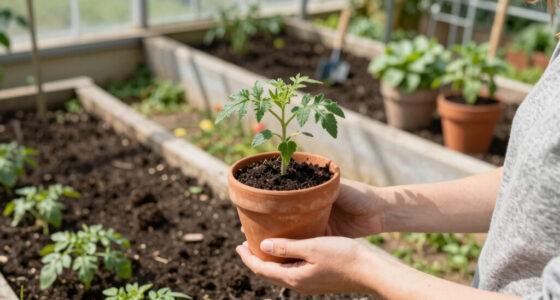
Starting from seed can be slow—expect two to six weeks for germination. Soak your seeds overnight to jump-start sprouting, keep the soil warm (around 80°F), and be patient. Container growing offers flexibility, especially in colder spots or for overwintering. Use at least a 3-gallon pot with drainage holes, and keep the soil evenly moist but not soggy. This mimics the natural, well-drained, organic soils chiltepins thrive in.
Once established, chiltepins can produce fruit for several years if protected from frost. They’re self-pollinating but benefit from some insect activity—so a gentle shake or hand pollination during flowering can boost your harvest. Understanding these nuances helps you create a microhabitat that maximizes fruit production while respecting the plant’s natural resilience and ecological needs.
Capsaicin gloves for handling hot peppers
As an affiliate, we earn on qualifying purchases.
As an affiliate, we earn on qualifying purchases.
When and How to Harvest and Use Your Chiltepins
Harvest green chiltepins for a sharp, fresh flavor—great in salsas or pickled. Wait until the fruit turns bright red for drying or adding full-bodied heat. Ripe peppers detach easily—just a gentle shake or a tug does it. The timing is crucial because harvesting at peak ripeness ensures maximum flavor and capsaicin content, which enhances culinary applications.
Always wear gloves when handling large amounts of chiltepins. Capsaicin can linger on your fingers and irritate eyes or skin. When drying, ensure peppers are completely dry and store in airtight containers to prevent mold. Proper handling preserves the fiery quality and prevents skin irritation, which is common with capsaicin-rich peppers. Drying also concentrates the heat and flavor, making them more versatile for culinary use.
In the kitchen, these peppers shine in regional dishes—crushed into sauces, sprinkled on beans, or infused into oils. Their fiery kick elevates simple recipes into authentic Sonoran flavors. Using dried or fresh chiltepins allows for a variety of culinary explorations, connecting home cooks with regional food traditions and the desert’s natural bounty.
As an affiliate, we earn on qualifying purchases.
Chiltepin vs. Chile Pequin: What’s the Difference?
Chiltepin and chile pequín are often used interchangeably, but they usually refer to different forms. Chiltepin describes the wild or minimally domesticated plant with small, round fruits that detach easily. Chile pequín often points to cultivated or semi-domesticated peppers, sometimes larger and elongated. The distinction is significant because it reflects their ecological and genetic origins—wild versus cultivated—and influences flavor, size, and adaptability.
For example, a wild chiltepin might be the tiny, round pepper you shake off a bush in the desert. A chile pequín could be a slightly bigger, more cultivated variety from a nursery. Recognizing these differences helps gardeners select the appropriate plant for their goals—whether they seek the authenticity of wild varieties or the uniformity of cultivated ones. This understanding also guides conservation efforts, as maintaining the genetic integrity of wild populations is crucial for ecological resilience and future breeding programs.
Understanding these subtle differences helps you select the right seed or plant for your garden, especially if you want to maintain genetic purity or regional authenticity. It also influences flavor profiles and growth habits, so consider your culinary and ecological priorities when choosing between them.
Protecting Wild Chiltepins and Sourcing Responsibly
Wild chiltepin populations face threats from habitat loss, overharvesting, and land disturbance. It’s vital to source seeds and plants responsibly. Always buy from reputable nurseries or seed growers—never dig up wild plants or remove fruit from protected areas. Overharvesting can diminish local populations, reduce genetic diversity, and threaten ecological stability. This makes responsible sourcing not only an ethical choice but also a conservation imperative.
Check local rules before collecting seed or fruit. Many parks and tribal lands prohibit wild harvesting without permission. Respect these rules to help conserve this native treasure. Supporting nursery-grown plants and seeds ensures that wild populations remain intact, preserving the ecological roles these plants play. Additionally, by sourcing responsibly, gardeners contribute to a sustainable cycle that benefits both the environment and future generations of chili enthusiasts.
By choosing cultivated seeds or nursery plants, you support wild populations and ensure the long-term survival of this fiery desert icon. This approach balances our desire to enjoy these peppers with the need to protect their natural habitats, fostering a conservation ethic that benefits the entire desert ecosystem.
Recent Trends and Why Chiltepins Are Making Waves Again
In recent years, chiltepins have gained popularity beyond their traditional range. Gardeners love their drought tolerance and native appeal, using them in water-wise landscaping and edible landscapes. Nurseries are offering more seed and starter plants, making it easier to get started. This surge reflects a growing appreciation for native plants that support local ecosystems and climate resilience, but it also raises concerns about overharvesting and habitat disturbance if wild populations are not managed carefully.
Scientists are studying their genetics to breed peppers with better disease resistance and climate adaptability, which could lead to more resilient crops for both home gardeners and commercial growers. Meanwhile, regional cuisines are rediscovering their fiery, authentic flavor—adding a new twist to Mexican and Sonoran dishes. This culinary revival not only celebrates regional traditions but also emphasizes the importance of conserving the genetic diversity that makes chiltepins special.
But with increased interest comes responsibility. Climate change, land development, and wildfires threaten natural populations. Growing chiltepins in your garden is one way to keep their legacy alive and honor desert ecology. Cultivating and sharing responsibly ensures that these peppers continue to thrive both in the wild and in our kitchens, reinforcing their cultural and ecological significance for future generations.
Your Questions About Chiltepins Answered
- How hot is a chiltepin? Typically around 50,000–100,000 SHU, but some vary. They’re many times hotter than a jalapeño, and their fiery heat is often concentrated in the small fruit, making them intensely pungent for culinary use.
- Can chiltepins grow indoors? Yes, with ample light, warmth, and good drainage. Indoor cultivation allows for year-round harvesting, but it requires diligent attention to mimic their natural conditions, including pollination; hand pollination may be necessary to ensure fruit set.
- Are wild chiltepins safe to eat? Absolutely, but handle with gloves and keep away from kids and pets. The capsaicin content is high, so proper handling prevents skin irritation and accidental contact with eyes or mucous membranes.
- How long do seeds take to germinate? Usually 2–6 weeks, depending on conditions. Warmth, moisture, and fresh seed are critical factors; patience is essential to successful propagation.
- Is it true chiltepin is drought-resistant? Yes, but they thrive best with some shade and organic ground cover—like a nurse plant in the wild. Proper microhabitat mimicking wild conditions enhances their resilience and productivity.
Frequently Asked Questions
How hot is a chiltepin?
Usually about 50,000–100,000 Scoville Heat Units, making them many times hotter than a jalapeño. Their intense heat is quick-burning and clean.Is chiltepin hotter than a jalapeño?
Yes, a typical chiltepin is significantly hotter—often five to ten times—than a jalapeño, despite its tiny size.Is chiltepin a perennial?
It can be a short-lived perennial in frost-free areas, but in colder climates, it’s best treated as an annual or overwintered indoors.Can I grow chiltepin indoors?
Absolutely, with bright light, warmth, and proper drainage. Indoor plants may need hand pollination for fruiting.Are wild chiltepins legally protected?
Yes, in many areas wild harvesting is restricted. Always check local rules and prefer nursery-grown seeds to support wild populations.Conclusion
Growing chiltepin peppers is about respecting their wild roots and microhabitats. When you create a shaded nook in your garden, you’re mimicking the desert’s secret shade and giving these tiny giants a fighting chance.
Imagine a small shrub bursting with fiery red peppers—proof that resilience and flavor come from understanding and honoring where these peppers come from. Plant a few, harvest with care, and keep their fiery spirit alive in your desert garden.
Fall yard work Picks
leaf blowers
As an affiliate, we earn on qualifying purchases.